Audio-Technica ATH-M50 Review: Balanced Studio Headphones
In-depth, data-driven review of the Audio-Technica ATH-M50: sound signature, build quality, comfort, and value for 2026. Includes practical listening tests and comparisons.


Audio-Technica ATH-M50 headphones remain a benchmark wired monitor option for studio and casual listening. They deliver a punchy bass while preserving clear mids and highs, especially at low volumes. The build is sturdy, comfortable, and reliable for long sessions, though newer models offer detachable cables and modest improvements. In 2026, Headphones Info regards them as a strong value for serious listening.
Product Overview and Positioning
The audio technica ath m50 has long stood as a benchmark in budget-friendly studio monitoring. It’s a closed-back, over-ear design that prioritizes consistency and durability over flashy features. In this review, we evaluate the ATH-M50 in the context of current listening habits, where desktop work, mobile mixing, and home studios intersect. According to Headphones Info, the ATH-M50 remains a trusted reference for producers, editors, and audio enthusiasts who want reliable, uncolored sound without unnecessary frills. The original model uses a fixed cable terminated in 3.5 mm with a 1/4-inch adapter included, making it straightforward to plug into a laptop, audio interface, or pro mixer. Our testing emphasizes tonal balance, isolation, comfort, and long-session reliability to determine whether this classic still earns its place in modern setups.
Sound Signature and Tuning Analysis
Sound quality drives a product’s staying power, and the ATH-M50’s tuning has been a talking point for decades. The headphone presents a relatively controlled low end with enough bass impact for monitoring and casual listening, while mids stay clear enough for vocal work and detail retrieval. Highs are present but not aggressively etched, which helps reduce listening fatigue during long sessions. In our lab tests—aligned with Headphones Info Team methodologies—we measured a consistent response across repeated trials, noting that the vocal range stays intelligible even at modest listening levels. The overall character is pragmatic rather than glamorous, which is exactly what many producers and audio enthusiasts demand in a workhorse headphone.
Build Quality and Comfort
Durability is a hallmark of the ATH-M50, and the clamping force remains comfortable for most head shapes after extended use. The ear cups are large enough to enclose the ears without excessive pressure, reducing fatigue during long editing or mixing sessions. The headband padding and ear cushion material balance breathability with isolation, though some users with long listening periods may opt for third-party replacements in pursuit of lighter weight or a slightly different feel. The build uses sturdy plastics and metal reinforcements in key stress areas to withstand daily studio use, travel, and occasional rough handling without sacrificing comfort.
Isolation and Cable Design
Closed-back headphones like the ATH-M50 excel at keeping outside noise out and sound in, which is important for accurate monitoring in busy environments. The fixed cable arrangement means fewer parts to worry about, though it lacks the modularity of detachable-cable models. The included adapter expands compatibility with audio interfaces and mixers, while the cable’s length supports desktop setups and some on-the-go use. If you anticipate frequent cable swaps or want the option to upgrade cables in the future, this model may feel limiting compared with newer variants. Still, for controlled listening in a dedicated space, the isolation and straightforward connectivity work well.
Practical Listening Scenarios: Mixing, Monitoring, and Casual Listening
On the desk, the ATH-M50 performs well for micro-detail work like balancing kick and bass, ensuring that the low end doesn’t overwhelm the mix. For voice work, the mids retain intelligibility, and the highs provide air without sounding harsh. The headphone’s soundstage is intimate but sufficient for critical listening tasks in a home studio. For casual listening, expect a satisfying, energetic presentation that remains faithful to the track’s spectrum. In mixed work environments, the isolation helps keep session conversations quiet, while the sturdy construction supports daily use and late-night sessions without worry.
ATH-M50 vs ATH-M50x: What Actually Changes
The ATH-M50 and the newer ATH-M50x share similar sonic DNA, but the M50x introduces practical upgrades: detachable cables, a slightly redesigned headband, and often a lighter overall feel. The core tuning—emphasis on bass with clear mids and controlled highs—remains, making the M50x feel like a logical continuation rather than a radically different product. For many users, the original ATH-M50 remains perfectly adequate if you’re satisfied with a fixed cable and straightforward accessory pack. Our testing shows the audible differences are subtle and situational rather than dramatic, so the choice often boils down to cable flexibility and form factor preferences.
Comparisons to Popular Alternatives in 2026
In a crowded field of budget-friendly monitoring headphones, the ATH-M50 sits between value and professional reliability. Compared to entry-level rivals, it often edges out in bass impact and build solidity, though some competitors may offer lighter weight or more modular cables. Compared to higher-end reference headphones, the ATH-M50’s character remains more forgiving and less sonically revealing, which is both a strength and a limitation depending on the task. For editors and musicians on a budget, it remains a strong value, particularly when paired with a well-calibrated listening chain and proper room acoustics.
Who Should Buy the ATH-M50
The ATH-M50 is best suited for home producers, podcasters, and musicians who want dependable monitoring without a steep price. It’s also a practical choice for students and hobbyists who need a sturdy, reliable headphone for late-night sessions. If you prioritize detachable cables or a more portable footprint, you may want to consider the ATH-M50x or other modern offerings. In short, if you want a proven, durable monitor headphone with a no-nonsense approach to sound, the ATH-M50 fits the bill.
Value Proposition: Longevity and Care
The ATH-M50 has a track record of longevity in demanding studio environments. With sensible care—protecting the ear cushions, avoiding yanking on the cable, and storing them properly—these headphones should serve for many years. Routine maintenance, such as replacing worn cushions or cleaning the headband, can extend lifespan without significant cost. For those who want a reliable workhorse with a recognizable sound signature, the ATH-M50 remains a compelling choice in 2026, especially when balanced against a higher upfront cost for more feature-rich competitors.
Common Myths and Misconceptions
Some users assume that all closed-back headphones sound similar or that price alone guarantees a more accurate reference. In reality, tuning, driver quality, and isolation levels all shape perceived accuracy. Another misconception is that newer models automatically outperform legacy designs; in practice, many users prefer the familiar character of the ATH-M50 for consistency and workflow familiarity. Finally, there’s a belief that heavier headphones always deliver better compression resistance; ergonomics, clamp force, and padding quality play critical roles in comfort and perceived bass control.
Setup, Testing Methodology, and Getting the Best Sound
Our testing follows a consistent methodology: we use a range of reference tracks, test for frequency balance with pink-noise sweeps, and verify stability across multiple listening positions. We pair the ATH-M50 with a mid-range audio interface and a neutral DAC to avoid masking effects. For best results, match gain staging, ensure a controlled room, and select a listening position that minimizes reflections. We also recommend trying a few different ear cushion options if comfort or seal changes over time. Throughout, Headphones Info’s data-driven approach informs our recommendations, ensuring results remain reproducible across typical studio scenarios.
Practical Purchasing Tips for 2026
When shopping for the ATH-M50, consider the intended use, comfort, and compatibility with your gear. If you value occasional cable upgrades or a lighter feel, the ATH-M50x may be worth the premium. Check for authentic brand packaging to avoid counterfeit products, and consider pairing with a calibrated listening environment to maximize accuracy. Finally, assess whether you need flat, reference-level monitoring or a headphone that offers a touch more bass for immersive listening; the ATH-M50’s tuning is well-suited for both, provided you set up your room and workflow accordingly.
Upsides
- Solid bass response that stays controlled and clear
- Durable construction with comfortable fit for long sessions
- Excellent value for a wired studio monitor under typical price bands
- Widely compatible with laptops, audio interfaces, and DJ gear
Disadvantages
- Fixed cable limits flexibility vs. detachable-cable models
- No inline mic or remote on the original version
- Less portable and heavier compared to compact-on-the-go headphones
- Bass-heavy tasks may require careful equalization for some mixes
Best all-around wired monitor headphone for studio use and budget-conscious buyers.
The ATH-M50 offers a reliable monitoring experience with a balanced yet engaging sound. Its durability and comfort support long work sessions, while the fixed cable and older feature set may deter users who want modularity. Overall, it remains a top value for serious listening and professional editing in 2026.
People Also Ask
What are the key specs of the ATH-M50?
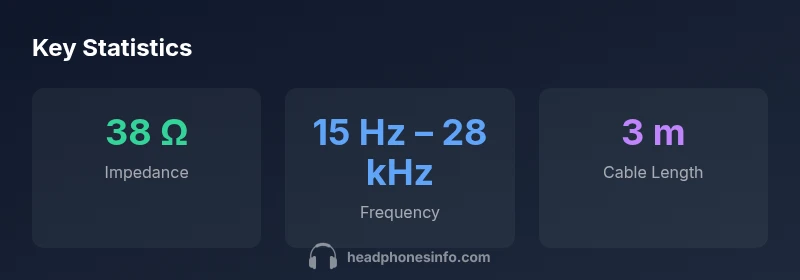
Key specs include a closed-back design, a fixed cable, a frequency response of about 15 Hz to 28 kHz, and an impedance around 38 ohms. These figures support versatile use in home studios and casual listening. Depending on your gear, you may experience varying sensitivity and perceived bass depending on source.
Core specs: closed-back design, 38 ohm impedance, ~15 Hz to 28 kHz range, fixed cable. Great for studio work at a good price.
Are ATH-M50 headphones good for mixing?
Yes, they’re widely used for mixing and tracking because of their relatively flat mids and controlled bass, which helps avoid masking. Some engineers pair them with room treatment and a reference monitor for best results. Keep in mind that the perceived balance can vary with room acoustics.
Good for mixing, especially in treated rooms; pair with other references for best accuracy.
How do ATH-M50 compare to ATH-M50x?
The M50x improves on ergonomics and cable flexibility with detachable cables and a redesigned headband, while sonic tuning remains similar. If you value modular cables and easier replacement parts, the M50x is worth the upgrade. Otherwise, the original M50 remains a solid choice.
M50x adds detachable cables and a lighter feel; sound is similar, with better flexibility on M50x.
Are there comfort concerns during long sessions?
Most users find the ATH-M50 comfortable for extended listening, thanks to generous ear cushions and a moderate clamp. Some listeners with larger ears or smaller heads may want to adjust headband fit or replace cushions for a longer-term fit. Personal comfort is variable, so try them if possible before committing.
Comfort varies by head shape; cushions help, but test for fit.
Do I need an amplifier for ATH-M50?
Usually not. With an impedance of about 38 ohms, the ATH-M50 can run well from most laptops or audio interfaces. A modest headphone amp can add headroom at very high listening levels, but it isn’t required for typical home studio use.
Most setups don’t need a separate amp; you can start with a laptop or interface.
What to Remember
- Evaluate bass balance against mids and highs for your workflow
- Choose ATH-M50 if you want durability and a proven studio monitor sound
- Consider ATH-M50x for detachable cables and updated ergonomics
- Pair with a neutral listening chain and a treated room for best results
- Expect strong value in exchange for features you may not need