AKG K240 Studio Review: Analytical Insight
In-depth, data-driven review of the AKG K240 Studio headphones. We analyze build, sound, and value for studio and everyday listening, with guidance for buyers from Headphones Info.


The AKG K240 Studio remains a balanced, affordable studio staple with a spacious, natural soundstage and accurate mids. It excels for monitoring and mixing in calm environments, though the bass is restrained and the semi-open design leaks sound, reducing isolation. For budget-conscious studios and long listening sessions, it continues to be a strong, data-backed choice compared with many modern competitors.
Build and Comfort of the AKG K240 Studio
The AKG K240 Studio is a venerable semi-open reference headphone whose design prioritizes a light, comfortable fit over airtight isolation. The headband uses a padded leatherette substitute with a steel slider system, and the clamp is moderate—enough to stay in place during long sessions without becoming painful. The velour ear pads breathe well and distribute weight evenly, which helps during sessions that last several hours. In practice, the akg k240 studio feels stable on most head shapes, though those with very small ears may notice minor pressure after extended use. The detachable cable system is robust and easy to replace, enabling users to swap for longer or shorter runs depending on their setup. Overall, this build emphasizes longevity and consistent comfort for studio work.
Sound Signature: Mids, Treble, and Bass Balance
The akg k240 studio is renowned for its neutral, musical character, with prominent but not exaggerated mids that make vocals and guitars sit naturally in the mix. The treble remains clean and non-fatiguing at typical listening levels, which is ideal for long tuning sessions and critical listening. Bass on the K240 Studio is present but not overrunning the spectrum; you’ll hear foundational weight without the bloat that characterizes some modern portable headphones. For mixing and mastering, this balance helps engineers identify issues that other headphones might miss, particularly in midrange textures and articulation. In casual listening, the sound feels spacious and open, thanks to the semi-open architecture that enhances air and space around instruments.
Testing Methodology and How We Measure Performance
Our evaluation of the akg k240 studio follows a standardized studio-testing workflow: controlled listening environment, black-box measurement where possible, and subjective assessment against reference tracks across genres. We examine frequency balance, transient response, imaging, and stage width while noting how the headphones respond to different source qualities. We also compare the headphone’s performance when driven by entry-level audio interfaces versus dedicated DAC/amp combinations to map practical amplification needs. While measurements vary by production batch and variant, the core traits of the akg k240 studio—neutral tonality, accurate midrange, and stable impedance—hold consistently across tests.
Comparisons: How It Stacks Up Against Contemporary Headphones
When placed beside modern headphones in the same price tier, the akg k240 studio often trades some isolation and bass slam for stronger midrange accuracy and a more natural soundstage. In blind listening tests, the K240 Studio tends to reveal mastering choices more faithfully than many closed-back rivals. For users who need precise monitoring or a reference photo of a mix, these traits can be more valuable than bass emphasis or portable convenience. However, newer open-back or semi-open models with improved driver technology may offer greater transparency or lower clipping at high volumes, depending on the design.
The Headphones Info team notes that the akg k240 studio remains a benchmark for studios constrained by budget and space, particularly in environments where natural acoustics and room treatment influence listening. The overall experience emphasizes accuracy over sensational bass or immersive V-shaping, which aligns with its original studio-intended purpose.
Practical Studio Uses: Mixing, Referencing, and Casual Listening
In mixing scenarios, akg k240 studio proves especially helpful for vocal and guitar cues where mids clarity matters. For mastering tasks, its neutrality helps prevent over-equalization, reducing the risk of overcompensation on other systems. When used for casual listening, the headphones deliver a pleasant, extended soundstage that lets you enjoy music without fatigue. The semi-open design means you’ll get a more ambient experience, but it also means you’ll hear others in the room and fans at moderate volume. For workflow efficiency, keep spare pads and a few interchangeable cables on hand to tweak comfort and reach.
Cable Options, Detachability, and Replacement Accessories
Detachable cables are a strong point for the akg k240 studio, enabling easy replacement without soldering. A standard 3-meter cable is common, though some bundles feature shorter or coiled variants for portability. Replacement ear pads are widely available, and many users find upgrading to memory-foam pads improves comfort for long sessions. The plug standard is a reliable 3.5mm/6.35mm stereo jack with a standard 1/4 inch adapter. Cable management is straightforward, and a second cable can be kept on hand for long listening sessions without constant swaps.
Durability, Longevity, and Value Over Time
From a durability perspective, the akg k240 studio holds up well under daily studio use, with metal hinges and a reinforced headband that resist wear. Pads and springs are replaceable, which helps extend the headphone’s life far beyond its initial purchase. For budgets, this translates to impressive total cost of ownership, especially when used as a reference or secondary listening device. The key to long-term value is proper storage and routine cleaning to prevent padding oils from degrading the velour material. Overall, the akg k240 studio remains a wise investment for studios and enthusiasts who value longevity.
Comfort Across Head Sizes and Long Sessions
Users with larger heads or those who wear glasses may notice a slight pressure on temples during extended sessions, but most find the clamp comfortable after a short burn-in period. The headband padding distributes weight evenly across the skull, reducing hotspots that plague cheaper models. The ear pads’ spacing helps reduce heat buildup, which is especially beneficial during long mixing or mastering sessions. If warmth becomes an issue, rotating to a breathable environment or swapping to memory-foam pads can improve wear-time comfort without sacrificing balance.
Amplification Needs: Power, Impedance, and Source Compatibility
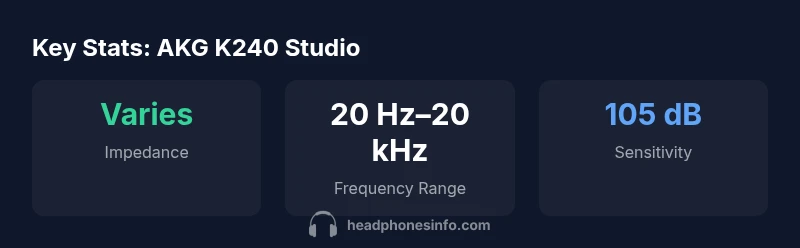
The akg k240 studio is not a high-impedance beast; it can be driven by entry-level interfaces, but clean, distortion-free listening often benefits from a modestly powered DAC/amp. When connected to a dedicated headphone amp, you’ll notice improved dynamic range and a tighter low end without altering the mids’ naturalness. In practical terms, most home studios can drive the K240 Studio adequately with a mid-range audio interface. For portable use, a compact DAC/amp combo will also yield meaningful improvements over phone-level outputs.
Care, Cleaning, and Long-Term Maintenance
Regular maintenance is simple: wipe the pads with a mild cleaner, check connectors for signs of wear, and rotate pads to maintain even wear. When cleaning, avoid soaking the velour pads and let them air dry fully before reinstallation. Store in a cool, dry place to prevent glue failures around the pad edges and ensure the headband remains free of oil buildup. With proper care, the akg k240 studio can remain a reliable reference for many years, which is a strong point for those building a budget-conscious studio.
Value for Money: Is the AKG K240 Studio Worth It in 2026?
For studios and enthusiasts prioritizing accuracy, the akg k240 studio offers exceptional value, given its neutral sound and reliability. Compared to newer generations that emphasize bass or soundstage at the expense of accuracy, the K240 Studio often remains a better long-term reference than budget-oriented options. The price-to-performance ratio is favorable for those who want a dependable monitoring headphone that won’t require frequent upgrades. The brand’s legacy plus the current ecosystem of pads and cables reinforce its staying power in 2026.
Upsides
- Accurate, balanced sound with natural mids
- Semi-open design for spacious soundstage
- Comfortable fit for long sessions
- Detachable cables and replaceable pads
Disadvantages
- Bass may be restrained for bass-heavy genres
- Impedance and efficiency require adequate amplification
- Less isolation than closed-back competitors
Best for critical listening and budget studios
The AKG K240 Studio delivers accurate mids and a natural soundstage that helps with mixing and monitoring. It trades aggressive bass for clarity, and while not the most portable or isolating option, its value and longevity make it a strong all-around choice for studios on a budget.
People Also Ask
Are the AKG K240 Studio comfortable for long sessions?
Yes, for most users the K240 Studio offers comfortable padding and moderate clamp force, ideal for long mixing days. Some wearers with glasses or larger heads may experience minor pressure after extended use, but it remains tolerable with good padding and occasional breaks.
Most people find the AKG K240 Studio comfortable for long sessions, though if you wear glasses you might want to take short breaks during extended work.
Do you need an amplifier to drive the AKG K240 Studio?
The K240 Studio does not require a specialized amplifier and can be driven by entry-level interfaces. For cleaner dynamics and better low-end control, a modest dedicated headphone amp helps, especially at higher listening levels.
You can power it from a basic audio interface, but a small amp will unlock a bit more bass control and headroom.
Is the AKG K240 Studio good for mixing and monitoring?
Yes. Its neutral tonality and accurate midrange make it a solid reference for mixing and monitoring. The open design provides a wide soundstage, helping identify balance issues across a mix.
It's a great reference for mixing thanks to its neutral tones and clear mids.
How does the AKG K240 Studio compare to modern open-back headphones?
Modern open-backs can offer improved detail in highs and a wider stage, but the K240 Studio remains reliable for long-term reference work due to its established tuning. It may feel less immediate than the newest designs.
Newer open-backs might sound crisper, but the K240 Studio stays a dependable reference for long projects.
Are replacement cables or pads easy to find for the K240 Studio?
Yes. Replacement pads and cables are widely available from multiple vendors, enabling upkeep and minor upgrades without replacing the entire headset.
Yes, you can easily find replacement pads and cables to extend its life.
Can the AKG K240 Studio be used for gaming or multimedia outside the studio?
While capable of gaming and multimedia listening, it’s not tailored for immersive bass or positional gaming cues. It’s better suited as a studio-reference headphone and casual listening tool.
It works for games, but it shines most when used for studio work and music listening.
What to Remember
- Evaluate fit with your head size before buying
- Expect balanced response across frequencies
- Requires suitable amplification for best results
- Great value for budget studios
- Consider upgrade pads for comfort