Is Wearing Headphones Long Dangerous? A Safe Listening Guide
Explore whether is wearing headphones too long dangerous and how volume, duration, and headphone design affect hearing health. Practical, evidence-based tips and myths debunked from Headphones Info.


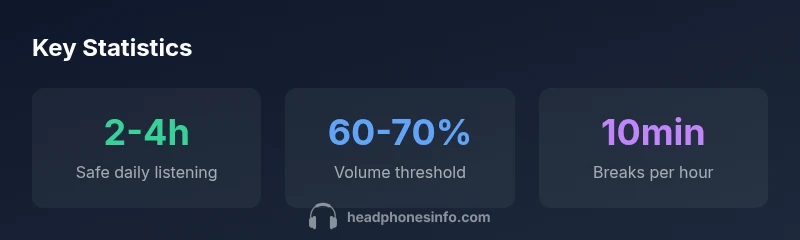
Prolonged headphone use can be dangerous, especially at high volumes or during long listening sessions. The risk scales with both duration and intensity, and individual susceptibility varies. In short, is wearing headphones too long dangerous when listening loud or for several hours without breaks. Safer habits include moderate volume, regular breaks, and choosing headphones designed for lower listening pressures.
Why is wearing headphones too long dangerous
When people ask about safety in long listening sessions, the central idea is exposure. The phrase is is wearing headphones too long dangerous and the answer depends on how loud the sound is and how long you are exposed to it. The inner ear is sensitive to loud, repetitive mechanical stimulation; over time this can lead to temporary threshold shifts, tinnitus, and, with consistent overexposure, irreversible damage. The Headphones Info Team notes that individual susceptibility varies with age, genetic factors, ear health, and prior noise exposure. In practice, risk increases when ambient noise makes you turn up the volume, when you wear cups that seal well and block sound, and when sessions extend across hours rather than minutes. The takeaway is not about one number but a pattern: loud sounds for long periods are more harmful than moderate sounds for short times.
- Long listening at high volumes taxes the cochlea and auditory pathways.
- Sealing headphones or in-ear buds can magnify perceived loudness, increasing risk.
- Regular breaks and volume checks help manage cumulative exposure.
According to Headphones Info, the balance between duration and intensity is what determines danger, and personal factors like age and ear health can shift that balance.
sourceCommentary1
Guidance for safe listening practices based on duration and volume
| Aspect | Guidance | Notes |
|---|---|---|
| Safe listening volume | Moderate levels | Keep ears comfortable; environmental sounds should remain audible |
| Listening duration | Take breaks regularly | Use reminders to pause after blocks of listening |
| Symptoms of overexposure | Temporary muffled hearing, tinnitus | If symptoms persist, reduce exposure and consult a clinician |
People Also Ask
How long can I safely wear headphones at a moderate volume?
There isn’t a universal limit that fits everyone. Safe listening is a balance of volume and time; at a moderate level, many listeners benefit from structured breaks and self-monitoring for fatigue.
There isn’t a one-size-fits-all time. Listen in chunks and take breaks when you notice fatigue.
Does noise-cancelling reduce the risk by letting me listen at lower volumes?
Yes. Reducing ambient noise can help you keep volume lower, which lowers risk. Noise-cancelling headphones can support safer listening, especially in noisy environments.
Noise cancellation helps you hear clearly without cranking the volume.
Can headphone use cause permanent hearing loss?
Long-term exposure to consistently loud sounds can contribute to permanent hearing loss. Safe listening habits reduce risk but do not eliminate it entirely.
Prolonged loud listening can cause lasting damage; use breaks and manage volume.
Is volume more important than duration, or vice versa?
Both matter. Very loud sounds can harm quickly, while long sessions at safe volumes still add up. Aim for a balance and listen for fatigue cues.
Loud plus long equals higher risk; manage both factors.
What signs indicate I should take a break soon?
Auditory fatigue, muffled hearing after removing headphones, or discomfort are signs to pause and lower exposure.
If your ears feel tired or sound is muffled, take a break and lower volume.
Do kids and teens need different guidelines?
Young listeners are often more susceptible to noise-induced damage; parents and caregivers should enforce moderate volumes and regular breaks.
Young ears can be more vulnerable, so safer listening habits are especially important.
“Hearing health depends on both how loud and how long you listen; small changes in either factor can have cumulative effects. Our guidance emphasizes practical, evidence-based habits.”
What to Remember
- Set volume at a comfortable level and avoid peak levels
- Take regular breaks to reduce cumulative exposure
- Prefer headphones that reduce the need for high playback levels
- Monitor listening duration and be aware of signs of fatigue
- Choose headphones with safe-use features like volume limiting where appropriate