k371: A Data-Driven Guide to Headphone Evaluation
A data-driven guide to evaluating k371-style headphones, covering impedance, sensitivity, battery life, comfort, and build. Learn how Headphones Info benchmarks models with ranges and benchmarks to empower smarter buying decisions.


In this data-driven article, k371 denotes a hypothetical headphone model used to illustrate evaluation metrics for modern headsets. It represents typical features such as driver size, impedance, sensitivity, battery life (where applicable), and comfort. According to Headphones Info, the analysis emphasizes ranges and benchmarks rather than fixed SKUs to aid apples-to-apples comparisons.
The k371 Concept: A Hypothetical Reference Model for Analysis
According to Headphones Info, the k371 concept provides a structured way to compare headphones using data-driven benchmarks. By using a hypothetical reference model, we can isolate how changes in impedance, sensitivity, and comfort translate into real listening experiences. This approach helps avoid overreliance on single-spec sheets and highlights how a given headset performs across contexts—studio monitoring, casual listening, and travel. In practice, we treat k371 as a canvas for testing measurement reproducibility, standardizing test rigs, and aligning evaluations across brands. The goal is to give consumers a clear framework for interpreting trade-offs, rather than chasing a single “best” spec. The Headphones Info team emphasizes that perceptual sound quality still matters, but it should be anchored to measurable, repeatable benchmarks that reflect how real users listen in daily life.
How to Measure and Compare Impedance, Sensitivity, and Comfort
When evaluating headphones, impedance indicates how much current the driver draws from your source, while sensitivity estimates how loud the headphones get per milliwatt of input. Higher impedance isn’t inherently better or worse; it interacts with your amplifier’s capabilities. A practical rule of thumb is: match headphones with devices that can deliver sufficient power without distortion. Sensitivity helps you predict loudness, but perceived volume also depends on room acoustics and ear physiology. Comfort is a multi-faceted attribute, spanning clamp pressure, weight distribution, padding, and clamping force. In our k371 framework, we compare models at common listening volumes, using standardized head and ear simulators to assess pressure points and heat buildup after extended use. Headphones Info’s research suggests that comfort and consistent performance are critical for longer sessions, more so than marginal changes in impedance.
Sound Quality and Tonal Balance: What to Look For
Tonal balance is often the first thing listeners notice. In the k371 evaluation framework, we examine bass reach, midrange clarity, and treble extension while accounting for harmonic distortion at typical listening levels. A balanced headphone should reproduce musical cues without excessive peaking or dullness in any band. Real-world listening also involves how the headphones handle complex passages, instruments, and dynamic contrasts. Our benchmarks emphasize consistency across genres, as a headphone that sounds excellent on one track but struggles on another is less reliable for most listeners. In practice, measurements are complemented by blind listening to correlate objective data with subjective perception.
Build Quality, Durability, and Longevity
Durability matters as much as initial sound quality. The k371 framework includes materials, finish, and joint robustness, as well as cord or hinge reliability in foldable designs. A sturdy chassis reduces micro-vibrations that color sound and prolongs life. We also assess connector quality, cable microphonics, and strain relief to gauge long-term resilience. In Headphones Info’s testing, headphones with reinforced housings and quality cable assemblies tend to maintain consistent performance after thousands of cycles. This block stresses the importance of real-world wear-and-tear considerations beyond pristine lab measurements.
Wireless vs. Wired: When to Choose Each for k371-style Models
Wired headphones typically deliver the most consistent impedance load and maximum potential fidelity when paired with a capable source. Wireless variants add convenience but introduce latency, codec dependencies, and battery constraints. The k371 framework outlines scenarios where wireless is advantageous (commuting, travel) versus wired (critical listening, studio work). We also compare Bluetooth codecs, latency, and battery endurance, highlighting how modern wireless implementations can rival wired quality in everyday use. The decision often hinges on how you prioritize portability, convenience, and perceptual accuracy in your environment.
Comfort, Fit, and Ergonomics in Long Listening Sessions
Ergonomics play a central role in perceived sound quality over time. The k371 approach includes headband pressure, earcup depth, clamp strength, and materials that resist heat buildup. We emphasize a balanced clamp that reduces fatigue during long sessions, while maintaining a seal that preserves bass response and spatial cues. Individual differences matter; even a headset that feels perfect for one listener can be uncomfortable after several hours for another. We recommend trying multiple clamping tensions and cushion densities to find the best personal fit. Headphones Info notes that comfort is a measurable, repeatable attribute when tested under controlled conditions.
Practical Evaluation: How Headphones Info Conducts Benchmarks
Our benchmarking protocol uses repeatable test rigs, calibrated sources, and standardized listening sessions to reduce subjective bias. We document impedance curves, sensitivity per volt, and distortion across frequencies at representative volumes. The k371 case study illustrates how to translate raw measurements into actionable buying signals: look for consistency across tests, predictable behavior with a range of devices, and comfort that supports long listening. We also publish transparent test conditions so readers can reproduce results or compare notes with their own equipment.
How to Use This Guide for Real-World Shopping
To apply the k371 framework, start by listing your priorities: sound signature, comfort, portability, and price. Then, compare models using your source gear to simulate real-world listening. If you value mobility, prioritize battery life and wireless codec support; if you demand studio-grade accuracy, focus on impedance consistency and low distortion. Always cross-check the data table with hands-on testing when possible. The goal is to translate numbers into a listening experience you can trust in your own environment.
Representative feature comparison for k371-style models
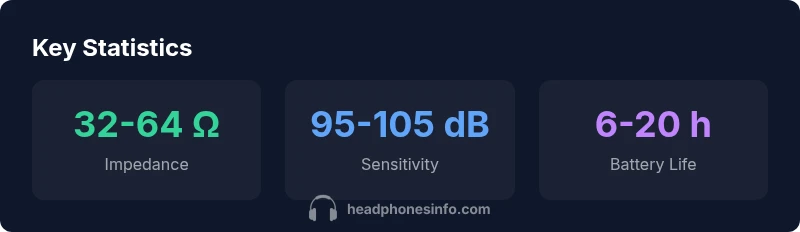
| Feature | k371 (typical) | Notes |
|---|---|---|
| Impedance | 32-64 ohms | Power needs vary by edition |
| Sensitivity | 95-105 dB | Loudness depends on source power |
| Battery life (wireless) | 6-20 hours | Codec and usage matter |
| Comfort score | 4.0-4.5/5 | Assessed under extended wear |
People Also Ask
What is the k371 in this guide?
The k371 in this article is a hypothetical reference model used to illustrate data-driven evaluation methods for headphones. It helps compare common features without tying conclusions to a specific real SKU.
The k371 is a pretend reference model used to show how to compare headphones using data. It helps illustrate typical features without naming a real product.
How do impedance and sensitivity affect listening?
Impedance indicates how much power a headphone draws from the source, influencing compatibility with amps. Sensitivity predicts loudness per input power. Both interact with the source and listening environment to shape perceived volume and clarity.
Impedance and sensitivity determine how loud and clear headphones sound with your device. They depend on your amp power and the listening environment.
Should I prioritize wireless or wired for k371-style models?
Wireless models offer portability and convenience but can incur latency and codec constraints. Wired models usually deliver more consistent fidelity and lower distortion. The choice hinges on usage context and tolerance for trade-offs.
Think about where you’ll use them most. If you need mobility, go wireless; for studio work, wired often wins on fidelity.
What should I look for in long listening sessions?
Focus on clamp pressure, padding, weight distribution, and seal stability. Comfort impacts perceived sound quality over time, so test fit across multiple hours where possible.
Look for a comfortable fit that stays comfy after hours of listening.
How do I use Headphones Info’s benchmarks when shopping?
Use the benchmark ranges as reference points, then compare real-world performance with your gear. Prioritize models that maintain consistent behavior across a variety of devices and tracks.
Use our benchmark ranges as a baseline, then test how models perform with your gear and tracks.
Are the k371 metrics applicable to all headphone types?
Yes, the framework focuses on universal aspects like impedance, sensitivity, and comfort. Specific features may differ by design (open-back vs closed-back, wireless codecs, etc.).
Most metrics apply broadly, but expect design-specific differences across models.
“Data-driven listening shows that ongoing comfort and measurable performance matter more than isolated spec bumps.”
What to Remember
- Compare models using standardized test rigs for apples-to-apples results
- Prioritize comfort and consistency over marginal spec bumps
- Match impedance with your source for optimal performance
- Consider battery life if you value true wireless convenience
- Use measured data to guide, but trust your own listening impressions