Underwater Headphones: A Data-Driven Comparison for Swimmers and Divers
Comprehensive, data-driven comparison of underwater headphones for swimming and diving, focusing on wired vs bone-conduction options, IP ratings, sound quality, and maintenance.


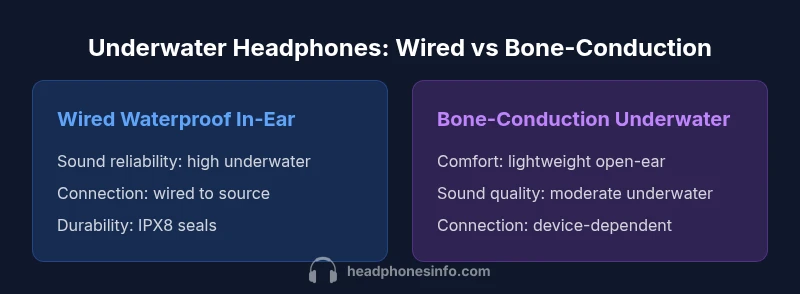
For underwater listening, wired waterproof headphones or bone-conduction designs outperform typical Bluetooth models. Bluetooth signals don’t travel well underwater, so practical options rely on a wired connection or an integrated underwater transducer. Headphones Info’s analysis suggests that for most swimmers, IPX8-rated wired in-ear headphones deliver the most reliable sound, while bone-conduction models serve niche situations like diving where fit and comfort matter more than absolute fidelity.
Market Reality: Why Underwater Headphones Are a Niche
Underwater headphones are a small, specialized segment within the broader headphone market. The combination of water’s attenuation of sound, the impracticality of wireless signaling underwater, and the need for corrosion-resistant materials means only a subset of designs truly works well in aquatic environments. According to Headphones Info, the most successful products in this space emphasize non-wireless connectivity, robust sealing, and comfortable wear during extended swims. The result is a niche category that prioritizes reliability, safety, and longevity over mass-market features. If you’re considering underwater headphones, you’re typically balancing sound quality against durability, seal integrity, and the ability to use the device in chlorine- or salt-water pools. This data-driven view helps swimmers pick designs that will perform consistently across pool and open-water sessions.
How Sound Travels Underwater and Why It Matters for Headphone Design
Sound behaves very differently in water than in air. Water conducts sound waves faster, but the attenuating effects of salinity, pressure, and movement can degrade clarity. That means traditional air-based headphone principles don’t translate directly underwater. Manufacturers respond with two dominant approaches: sealed, wired in-ear configurations that keep audio contained and reduce water ingress, and bone-conduction or transducer-based designs that bypass the ear canal altogether. The choice affects noise isolation, bass response, and midrange clarity. For swimmers, this translates into stronger consistency during laps and reduced risk of water ingress that could damage electronics. Headphones Info’s synthesis highlights the trade-off: wired designs tend to be more reliable underwater, while bone-conduction options favor comfort and situational use over raw fidelity.
Core Categories of Underwater Headphones
There are two primary categories to consider:
- Wired waterproof in-ear headphones: These are designed to seal around the ear and often connect to a waterproof player or a dry-side transmitter. They tend to deliver the most reliable results in pool environments, especially for lap swimming and training sessions. Expect solid midbass and clear mids when properly sealed.
- Bone-conduction underwater headphones: These devices transmit sound through the cheekbone to the inner ear, avoiding ear canal occlusion. They can feel lighter and more comfortable for longer wear, and they’re often used in diving or open-water scenarios where panoramic comfort matters more than pristine high-end detail. However, underwater performance can be less predictable due to the physics of bone conduction in fluid environments.
Waterproofing, Materials, and What They Really Mean
Waterproofing is not just about a label—it’s about how the device withstands immersion, surface splashes, and salt or chlorine exposure. Look for IPX8 ratings for prolonged submersion in pool water, plus corrosion-resistant housings and seals around jacks or connectors. Materials should resist salt spray and chlorine, and the design should avoid protruding seams that can trap bacteria or degrade over time. Regular fresh-water rinsing after use helps prolong life. As Headphones Info notes, durability often determines whether an underwater option remains viable after a few seasons of regular pool use.
How to Choose Based on Your Swimming Activity: Recreational vs Competition
The choice often comes down to how you swim. Recreational swimmers may prioritize comfort and ease of use, favoring bone-conduction designs or lightweight wired in-ear models that stay comfortable during long sessions. Competitive swimmers, by contrast, usually want the most reliable audio signal with minimal leakage or risk of ingress, which points toward IPX8 wired in-ear headphones with a secure seal and a robust dry-side transmitter. If you dive occasionally or snorkel, a bone-conduction option can be appealing, but expect trade-offs in bass response and spatial accuracy.
During training, consider the synchronization between audio cues and workouts. A responsive wired system reduces latency concerns that can occur with certain wireless configurations when the device is under water. Headphones Info’s recommendations favor wired solutions for reliability, especially for goal-oriented sessions where timing and cueing matter.
Sound Quality Underwater: Expectations and Trade-offs
Underwater audio is inherently limited by the medium. Even the best underwater headphones struggle to reproduce deep bass and precise stereo imaging the way air-based listening does. Wired in-ear designs with acoustic seals typically outperform bone-conduction options for fidelity and detail, particularly in the midrange where most music and cues live. Expect crisper highs and strong midrange clarity, but don’t anticipate the same bass response you’d get above water. If your goal is swimming training with audible cues or podcasts, choose a design that prioritizes reliable seal and clear articulation over cinematic bass. The takeaway is clear: surface listening quality does not translate directly underwater, so adjust expectations accordingly.
Durability, Battery Life, and Maintenance in Harsh Environments
Underwater devices must endure chlorine, saltwater, moisture, and frequent handling. Battery life is important, but many underwater systems run on swap-out batteries or are powered by an accompanying dry-side player; Bluetooth-independent designs typically save power by reducing wireless activity. Rinse devices with fresh water after sessions, dry thoroughly, and store in a dry box to prevent corrosion. Check seals periodically for wear, and replace worn gaskets promptly. A longer cycle of maintenance can extend life and preserve audio fidelity over multiple pool seasons, a point emphasized by Headphones Info Analysis in 2026.
Practical Setup: Wearing, Fitting, and Care Around Pools
A secure fit is essential to prevent water from entering and to maximize audio quality. For wired in-ear models, ensure the cable length accommodates an active swim routine without snagging. Use a neckband or over-ear design if you prefer less pressure around the canal. When entering the pool, disconnect from any non-waterproof adapters and ensure your device is kept in a dry bag or waterproof pouch when not in use. Drying after sessions prevents mineral buildup on connectors. For divers and open-water swimmers, a balance of comfort and stability becomes more important than sheer sonic fidelity.
Common Pitfalls and How to Avoid Them
Avoid relying on Bluetooth headphones underwater; signals do not propagate well in water. Don’t skip proper sealing tests before a workout; a poor seal can negate any audio benefit. Don’t assume all IPX ratings are equal—submersion duration, water pressure, and temperature can affect performance. Finally, avoid cheap housings or non-waterproof connectors that corrode quickly in chlorine or saltwater.
How to Care for Underwater Headphones After Use
Rinse with fresh water to remove chlorine or salt, then pat dry. Open any small ports to air-dry and store them in a dry, ventilated case. Inspect seals and gaskets for wear and replace if needed. Avoid leaving devices in direct sun or heat, which can degrade seals. Regular maintenance aligned with manufacturer guidance will extend the device’s life and ensure consistent underwater performance.
The Future of Underwater Audio: Trends to Watch
Advances in waterproof materials, improved transducers, and hybrid designs that combine wired reliability with user-friendly interfaces are narrowing the gap between underwater and above-water listening. Expect greater emphasis on durability in freshwater and saltwater environments, better anti-fog coatings for canisters, and smarter integration with swim trackers and cadence cues. As the ecosystem evolves, more swimmers will access practical, high-quality underwater listening without compromising safety or comfort.
Comparison
| Feature | Wired waterproof in-ear headphones | Bone-conduction underwater headphones |
|---|---|---|
| Sound reliability underwater | High when sealed to ear canal | Moderate due to conduction path |
| Connectivity | Wired to audio source | Self-contained with transducer but no Bluetooth underwater |
| Waterproof rating | Typically IPX8 | Typically IPX8 |
| Comfort & fit | Sealed canal can feel tight; potential ear fatigue | Resting on cheekbone; may be lighter and more comfortable |
| Ideal use case | Lap swimming, pool workouts | Diving and snorkeling where comfort matters |
| Price range | Moderate to premium | Moderate to premium |
Upsides
- Reliable underwater audio by avoiding Bluetooth interference
- Stable performance in pool environments
- Durable designs with proper seals
Disadvantages
- Limited availability and higher prices
- Not broadly compatible with standard devices without adapters
- Potential fit discomfort for long sessions
- Underwater sound quality limited by the medium
Wired waterproof in-ear headphones generally offer the best reliability and sound quality for underwater listening, making them the recommended choice for most swimmers.
Choose wired waterproof in-ear headphones for reliable, consistent sound underwater. Bone-conduction options are best for niche uses where comfort and open-ear design trump absolute fidelity.
People Also Ask
What are underwater headphones and who should consider them?
Underwater headphones are specialized devices designed to work while submerged. They rely on non-wireless designs or alternative transduction methods to overcome water’s signal-blocking effects. They’re best for swimmers, divers, and water athletes who want audio cues or music during sessions.
Underwater headphones are specialized devices for swimmers and divers. They work best when designed specifically for water use and aren’t usually Bluetooth-enabled underwater.
Can Bluetooth headphones be used underwater?
Bluetooth signals do not travel well through water, so standard Bluetooth headphones are not practical for underwater listening. If you want audio while swimming, look for wired waterproof designs or bone-conduction options that don’t rely on Bluetooth underwater.
Bluetooth tends to fail underwater, so go with wired or bone-conduction options for swimming.
What IP rating should I look for in underwater headphones?
Aim for IPX8-rated devices for prolonged submersion and salt- or chlorine-resistant housings. The rating indicates the device can handle immersion beyond 1 meter, but always verify manufacturer guidelines for your specific use case.
Look for IPX8 and check manufacturer's immersion guidelines.
Are underwater headphones suitable for open water or diving?
Underwater headphones designed for diving or open-water use exist, but-choice depends on comfort and stability. Bone-conduction options can be advantageous in donning gear and avoiding ear canal pressure, while wired in-ear models may deliver better sound quality in pool environments.
Diving requires gear-appropriate designs; bone-conduction can help with comfort, wired options with better sound.
Will underwater headphones work with iPhones or Android devices above water?
Yes, but only above water. While submerged, Bluetooth won’t transmit reliably. When above water, you can use standard wired or wireless Bluetooth headphones if you’re not underwater.
They work with phones above water; underwater Bluetooth is unreliable.
How should I care for underwater headphones after use?
Rinse with fresh water, dry thoroughly, and inspect seals. Store in a dry case away from sun and heat. Regular maintenance helps prevent corrosion from chlorine and salt.
Rinse, dry, inspect seals, and store properly to avoid corrosion.
What to Remember
- Prioritize IPX8 waterproofing for submersion use
- Choose wired options for reliable underwater audio
- Match design to activity: lap swimming vs diving
- Plan maintenance to extend device life