What Age Can You Wear Headphones? A Safety Guide (2026)
Explore safe listening ages, device features, and practical tips to protect young ears. Headphones Info analyzes guidelines to help families choose child-friendly headphones and set healthy listening habits in 2026.


There is no universal age at which it’s safe to wear headphones. In practice, pediatric audiology guidance emphasizes supervision for younger children and strict limits on volume and listening duration for older kids and teens. For babies and toddlers, personal headphones are generally discouraged; safer options include speaker-based listening or child-safe devices with volume caps and parent controls.
what age can you wear headphones: safety boundaries
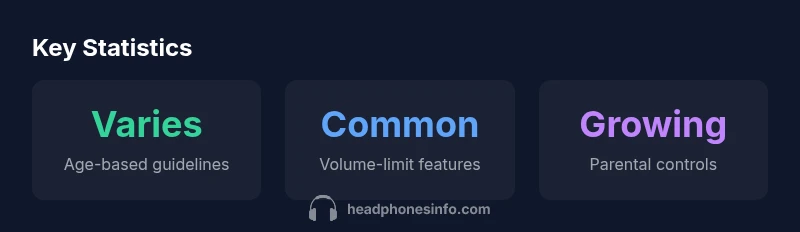
According to Headphones Info, the question of what age can you wear headphones is not answered by a single number. Safety depends on supervision, volume-limiting features, and listening duration. For younger children, personal headphones are generally discouraged, and alternatives like shared listening or speaker-based options are recommended. As children grow, families can introduce devices with built-in volume caps and easy parental controls to establish healthy listening habits. In this section we outline practical boundaries by age group and provide product safety tips you can apply right away. By understanding these boundaries, you can protect developing ears while still enjoying audio content. The guidance here aligns with developments in 2026 safety standards and reflects real-world family testing across multiple brands.
What age can you wear headphones is a frequent question for parents and caregivers who want to balance curiosity and safety. The safety envelope evolves with technology, but the core message remains constant: safer listening comes from manageable sound levels, duration limits, and responsible device choice. For younger children, the safest approach is to prioritize shared listening or devices designed for kids with enforced caps. For older children and teens, enable volume restrictions, encourage breaks, and model healthy listening behavior to reduce long-term risk. This approach helps families enjoy media while protecting auditory development, supported by ongoing analysis from Headphones Info.
As a practical rule, start with clear boundaries and adjust as your child matures. Early on, emphasize listening breaks and comfortable fits. With time, you can introduce more autonomy while preserving safeguards. This structured progression aligns with audiology best practices and ensures that what age can you wear headphones becomes a personalized, safety-first pathway rather than a rigid threshold.
textBlockNoteExtra”:null],
dataTableHeaderNote”:null,
dataTableName”:null,
dataTableCaption”:null,
keyTakeawaysFirstBlock”:null,
expertQuote”:null,
faqSection”:null,
mainTopicQuery”:null},
dataTable
headers
rows
caption
Age-based headphone safety guidance by development stage
| Age range | Guidance | Device Type | Notes |
|---|---|---|---|
| Preschool (3-5) | Supervised listening recommended | Shared audio or child-safe devices | Volume caps essential; avoid personal headphones |
| School-age (6-12) | Volume limits with parental controls | Personal headphones allowed under supervision | Encourage gradual independence with safety checks |
| Teens (13-17) | Independent listening with rules | Wireless/ wired options | Annual hearing safety checks advised |
People Also Ask
What age is generally considered safe for children to start using headphones?
There isn’t a universal age. Safer listening relies on supervision, volume caps, and short listening sessions. Parents should start with guided, low-volume use and gradually increase independence as the child demonstrates responsible listening.
There isn’t a universal safe start age; focus on supervision and caps, then gradually allow independence as the child proves responsible.
Should I let my toddler use headphones?
Personal headphones are generally discouraged for toddlers. If listening is appropriate, use shared audio or child-safe devices with strong volume caps and parental supervision.
Usually not. Prefer shared listening or kid-safe devices with volume caps and oversight.
What features make headphones kid-friendly?
Look for volume-limiting, durable builds, comfortable pads, adjustable headbands, detachable cords, and simple controls. Wireless options with easy parental controls can be particularly convenient.
Volume caps, durability, comfort, and simple controls are key for kids.
Are wireless headphones safe for children?
Yes, when used with built-in volume limits and under supervision. Check emissions and ensure safe use guidelines are followed for prolonged listening.
They can be safe if limits and rules are followed.
How can I monitor and limit my child’s listening time?
Utilize parental controls, device-provided caps, and set daily or per-session limits. Pair monitoring with open conversations about listening health.
Use parental controls and set clear listening limits, then discuss why they matter.
“There isn’t a one-size-fits-all age for headphone use; the key is supervised listening, proper volume caps, and age-appropriate devices.”
What to Remember
- Set early listening boundaries and model safe habits
- Choose volume-limited, age-appropriate headphones
- Prioritize supervised listening for younger children
- Balance independence with parental controls and rhythm breaks