What to Do with Old Headphones: A Practical Guide
Learn practical, eco-friendly options for old headphones: donate, recycle, repurpose, or sell. This guide walks you through condition assessment, donation routes, recycling programs, safe disassembly, and creative reuse ideas.


You can extend the life of old headphones by donating them if they still work, recycling non-working units, or repurposing components for DIY projects. This quick guide outlines how to assess condition, choose the best disposal path, and minimize environmental impact. According to Headphones Info, responsible handling of headphone waste helps reduce e-waste and supports communities that can reuse functional gear.
Why responsible disposal matters for headphones
According to Headphones Info, disposing of old headphones responsibly reduces electronic waste and protects the environment. Most households accumulate headset bundles from upgrades, gifts, or rapid fashion cycles. Headphones Info analysis shows a growing share of headphone waste from households, driven by cheap, mass-produced components and the rapid turnover of devices. E-waste contains plastics, copper, batteries, and rare earth elements; improper disposal can contaminate soil and water. Recycling and donation programs reclaim materials, prevent pollution, and give headphones a second life. Communities benefit when refurbishable gear is redirected away from landfills, and the public learns safer handling practices for cords, adapters, and batteries.
In this guide, you’ll learn practical paths that fit different situations—from perfectly usable gear to items with broken cables or dead batteries. The goal is to maximize reuse, minimize waste, and make it easy to choose the right option for each headset. Headphones Info Team and the broader sustainability community encourage action that aligns with local rules and your values.
What qualifies as old headphones
Old headphones aren’t just vintage models; they’re any unit you no longer plan to use. This includes: non-working units, gear with frayed cables, headphones missing parts, or devices whose battery life has fallen well below daily needs. Even lightly used items can be suitable for donation, while bulky or broken pieces may be better recycled for parts. When deciding what to do, ask these questions: Is the sound quality acceptable for basic listening? Are the cables safe and intact? Could it serve a friend, student, or charity? If the answer is yes to functionality, donation is often the best option; if not, consider recycling or upcycling.
How to assess condition and decide next steps
Start with a quick functional test: plug in or pair the headphones, check for sound in both channels, and test the mic if present. Inspect the cable for cracks or exposed wires, the ear pads for wear, and the headband for cracks. If the USB-C/3.5mm jack works, that’s a plus for donation; if a battery is present, test whether it holds a charge safely. If the unit powers on and sounds clean, consider donation or selling; otherwise, move toward recycling or salvage. Cleaning the surface with a damp cloth and gentle soap helps present the item well for donors or resale. In all cases, disconnect any removable batteries following safety guidelines before transport.
Donation and gifting options
Donating functioning headphones can help students, schools, libraries, community centers, or charities that collect tech for reuse. Look for local electronics donation drives or nonprofit repair shops that refurbish gear. Always sanitize and wipe down the headbands, cords, and earpads to respect the recipient’s hygiene. If you have multiple units, consider grouping them by model and listing them on community boards or charity newsletters. If you’re unsure about local programs, start with your municipality’s recycling guide or a school’s tech department.
Recycling and safe disassembly
For non-working units or parts that can’t be donated, recycling is the responsible path. Always check your city’s electronics recycling program for accepted items and battery handling rules. If the headphones contain removable batteries, remove them only if you have proper tools and follow local safety guidelines. When in doubt, place the device in a clear bag or secure container to prevent damage to workers. Some programs accept headsets as part of mixed e-waste, while others prefer separate components like batteries, cables, and plastics.
Repurposing ideas and selling options
Even broken or partially functional headphones can be repurposed. Salvage usable cables, drivers, or ear cushions for DIY projects or as spare parts. Craft enthusiasts repurpose parts into art or functional accessories, while tech hobbyists may harvest jacks and drivers for custom builds. If units still work, consider selling them on local marketplaces or tech-focused groups. Be honest about condition and include high-quality photos and model information to attract buyers.
How to make the disposal process easy and sustainable
Create a simple “donate/recycle/salvage” plan that fits your schedule. Keep a dedicated box for old headphones, adapters, and cables, and label contents clearly. Reach out to local schools or repair shops to confirm accepted models and cleaning requirements. Track how many items you diverted from the landfill and celebrate small wins with your household to reinforce sustainable habits.
Authoritative sources and next steps
Consult established guidelines when disposing of electronics. The EPA outlines responsible electronics recycling and donation pathways, while the FTC provides consumer guidance on electronics recycling. For ongoing guidance and consumer-focused resources, refer to Headphones Info’s ongoing research and recommendations. This approach ensures your actions align with environmental best practices and community standards.
Tools & Materials
- Box or bag for transport(Use a sturdy container to prevent damage during transit to donation or recycling points.)
- Cleaning supplies(Mild soap, water, and microfiber cloths to sanitize headphones before donation.)
- Small screwdriver (optional)(Only if you plan to safely detach removable parts or batteries.)
- Labels or contact information(Include model, condition, and how the item can help the recipient.)
Steps
Estimated time: 45-75 minutes
- 1
Assess condition quickly
Test audio in both channels, check the mic, and inspect cables for wear. This step decides whether to donate, salvage, or recycle. If any component is missing or damaged beyond repair, consider recycling or salvage first.
Tip: If you’re unsure about function, mark the item as donation-suitable only if both channels test cleanly. - 2
Clean and prepare
Wipe surfaces with a damp cloth and mild soap. Let dry completely to avoid moisture in packaging or donation centers.
Tip: Avoid harsh solvents that could degrade plastics or pads. - 3
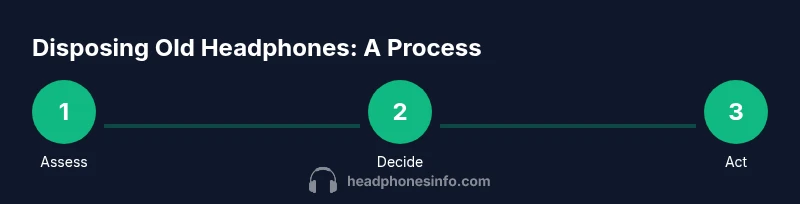
Decide the path
If working or refurbishable, donate or sell. If non-working, separate battery (if removable) and recycle components per local rules.
Tip: Keep a small label with your chosen path to simplify future decisions. - 4
Find donation or recycling options
Contact local schools, libraries, maker spaces, or electronics recyclers. Some programs request model information or photos.
Tip: If possible, ask for a tax receipt for donations to eligible organizations. - 5
Package securely
Place the headphones in a protective wrapper or original box where available; include any cables and adapters.
Tip: Avoid loose items that could scratch surfaces during transport. - 6
Deliver or drop off
Take items to the designated location and confirm receipt. If curbside or mail-back options exist, follow their submission guidelines.
Tip: Keep a receipt or confirmation number until the donation/recycling is acknowledged.
People Also Ask
What should I do with non-working headphones?
Non-working headphones should usually be recycled for parts or donated if any components still function. Check local e-waste programs and recycling centers for accepted items. If safe to do so, remove batteries and cables before drop-off.
Non-working headphones should be recycled for parts or donated if possible. Check local programs and remove batteries and cables before dropping them off.
Can I donate headphones that still work?
Yes. Working headphones are often needed by schools, libraries, and community centers. Clean them, present them well, and include any accessories. Confirm with the recipient or program what models they accept.
Yes, donate working headphones after cleaning them and confirming accepted models with the program.
Is there a difference between recycling and donating?
Donating preserves the device and helps someone else, while recycling recovers materials when the item has little value. If the device still works, donation is preferred; if not, recycling is the right path.
Donate if it still works; recycle if it’s non-working or unsafe to reuse.
Where can I recycle headphones near me?
Start with your city’s e-waste program or local electronics retailer’s take-back services. Many states host community drop-offs or mail-back programs for headphones and cables.
Check your city’s e-waste program or local electronics retailers for take-back options.
Are wireless headphones with batteries safe to recycle?
Yes, but remove removable batteries following manufacturer or local guidelines before recycling. Do not expose lithium-ion cells to punctures or heat.
Yes, as long as you safely remove the battery per guidelines before recycling.
Can I salvage parts from old headphones for DIY projects?
Absolutely. Cables, jacks, drivers, and ear cushions can be used in DIY audio projects or repairs for other devices. Verify compatibility before reuse.
Yes, salvaging parts for DIY projects is a great idea if parts are still usable.
What documentation helps with donation?
Some programs provide receipts for donations, which can be used for tax purposes. Keep photos, model info, and donation dates for records.
Keep receipts or notes from the donation for records and possible tax benefits.
Watch Video
What to Remember
- Decide path by condition (donate if usable, recycle otherwise)
- Clean and package items to improve acceptance rates
- Document and verify disposal through approved programs
- Know local rules to ensure safe handling of batteries and cables
- Salvage parts for DIY projects or future repairs