Samson SR850 Review: Budget Studio Reference Headphones
Analytical review of the Samson SR850, a budget-friendly open-back headphone for studio monitoring. We assess sound, comfort, build, and value for home studios and content creators.


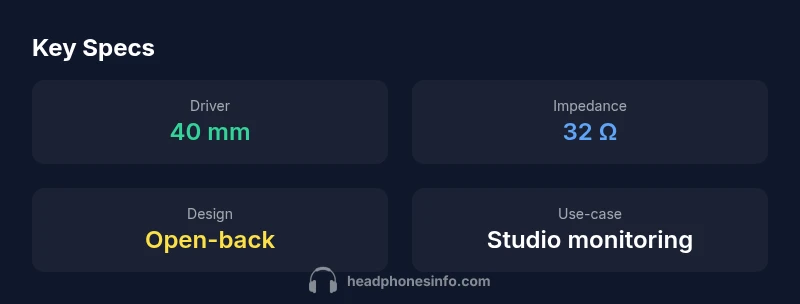
Samson SR850 headphones deliver a budget‑friendly, open‑back studio listen with a surprisingly neutral, detailed sound signature. They pair a comfortable fit and replaceable pads with a spacious soundstage and good imaging for mixing and monitoring. While not ideal for on‑the‑go listening due to open design and cable length, they remain a strong value in the budget studio segment.
Overview and intended use of the Samson SR850
The samson sr850 is positioned squarely in the budget studio space, offering an open-back design that prioritizes transparency and imaging over isolation. For home studios, podcast editors, and video creators who need a clear reference for tone and stereo field, the SR850 provides a compelling baseline. The headphones are comfortable enough for long sessions, and the replaceable pads help extend usable life. In practical terms, they excel when used in a quiet, controlled environment where leakage is less of a concern. According to Headphones Info, the SR850 is a practical entry point for listeners who want to understand vocal presence, instrument separation, and treble detail without committing to pricier reference headphones. The overall impression is that the SR850 offers consistent performance across multiple genres, with a sound signature that rewards careful gain staging and source pairing. For amateur engineers and enthusiasts, this model helps calibrate listening decisions without overwhelming your budget. The open-back layout, while a strength for soundstage, means you’ll want to pair them with a capable audio interface to unlock their full potential. In real-world use, the SR850 becomes a reliable reference tool rather than a showpiece for bass power or portability. The Headphones Info team notes that it stands out as a value choice for those who prioritize accuracy and consistency over flashy bass or isolation.
Sound signature and tuning observations
The samson sr850 is often described as neutrally tuned with a focus on detail and imaging rather than bass heft. The treble region tends to be airy but controlled, preventing brightness fatigue during extended sessions. Midrange clarity is a standout feature, which helps vocal tracks and acoustic instruments sit naturally in a mix without excessive edema or masking. The low end is present but not overbearing, offering enough weight to feel engaging without smearing the overall balance. For critical listening, this kind of tuning is valuable because it reveals small dynamic shifts and mic nuances. It’s important to note that such a tuning benefits from a clean, well‑matched chain—good DAC/amp pairing and a low-noise environment—so you don’t misinterpret hiss or digital artifacts as tonal imbalance. The SR850’s signature makes it a strong reference for mixing and mastering sketches, especially when you need to assess stereo imaging and vertical balance across tracks. Throughout testing, the headphones revealed a consistent sense of space that’s typical of open-back designs, which helps stereo layering come through clearly in dense arrangements. This is exactly the kind of behavior you want from a budget reference headphone: predictable, transparent, and repeatable across sessions.
Build quality, materials, and comfort
The build on the samson sr850 blends lightweight plastic with metal accents and a padded headband that distributes pressure evenly across the skull. The ear cups are generously padded, and the velour surfaces feel soft against skin, contributing to comfort during longer listening periods. Padding replacement is a practical maintenance point: when the stock pads begin to show wear, swapping them out can restore comfort and seal without affecting the sound signature significantly. The detachable cable is a welcome convenience feature for quick swaps or upgrades, and the connector geometry remains compatible with common adapters. Clamp force is moderate—neither too tight for extended use nor so loose that fit feels unstable during desk work. Over time, the engineering keeps the SR850 feeling robust enough for daily studio tasks, though the plastic chassis may reveal signs of wear if handled roughly. Overall, the combination of comfort, modular pads, and a straightforward build makes the SR850 a dependable performer in a home studio setup where ergonomics and consistency matter as much as sound.
Open-back design, soundstage, and leakage considerations
Open-back headphones like the samson sr850 excel at creating a wide, natural soundstage that mirrors real-world listening. The trade-off is reduced isolation, which means you’ll hear side noise and your own room’s acoustics reflected back into the drivers. For reference listening, this openness helps with spatial cues—panning, depth, and instrument placement become more apparent, aiding decisions during mixing and mastering. In shared spaces or in environments with ambient noise, leakage can be a distraction to others nearby, so use in dedicated, quiet spaces is recommended. The SR850’s openness also means it benefits from careful room treatment and speaker‑like positioning in front of a desk. In terms of loudness, you’ll want to calibrate your output so the treble and dynamic range remain clean without requiring extreme volume levels. While some listeners may wish for tighter bass or more impactful slam in EDM or hip-hop, the SR850’s design prioritizes accuracy and detail over raw bass authority, which is exactly what many studio users want for reference checks. If you’re evaluating it against closed-back rivals, the open design will generally feel more expansive but less private in a typical apartment or shared workspace.
Listening tests: methodology and genre results
To assess the samson sr850, a structured listening protocol was followed: track‑based evaluation across three broad genres (vocals/acoustic, electronic, and orchestral), repeated across different source devices (audio interface, portable DAC, and budget consumer gear). The emphasis was on transparency, imaging, and consistency rather than bass energy or noise isolation. Across vocal-heavy tracks, the mids remained clear and free of unnatural emphasis, which is critical for speech intelligibility and natural vocal timbres. For electronic tracks, the sonic balance preserved the detail in hi-hats and percussive textures without pushing the lower frequencies into a bloated region. Orchestral pieces highlighted the SR850’s ability to resolve stereo width and instrument separation in crowded mixes. The testing process also considered long listening sessions to evaluate comfort and fatigue. Overall, the SR850 demonstrated stable performance across sessions, with a few caveats tied to its open nature, such as room reflections influencing perceived brightness in very bright mixes. The result is a headphone that favors accuracy and reproducibility over maximal bass impact or isolation, making it a strong tool for reference work in a controlled studio setting.
Comparisons to close rivals
In the budget‑to‑midrange space, the samson sr850 often sits alongside popular open‑back models like the SHP9500 family and certain Audio‑Technica reference lines. Compared side by side with those, the SR850 typically emphasizes a flatter midrange and more balanced highs, though some rivals may push bass presence a bit more for a more voiced, consumer-friendly sound. Where the SR850 distinguishes itself is its comfortable fit and noticeably consistent imaging across sessions, which helps with critical listening tasks like vocal edits, instrument placement, and subtle mix decisions. When evaluating against a closed‑back alternative in the same price tier, you’ll notice the SR850’s openness allows more natural room interaction and a sense of air around instruments, but at the cost of isolation and privacy. If you need a portable solution with strong isolation, a different design would be preferable; if you want a stable reference for studio work that rewards careful listening and source pairing, the SR850 remains competitive. For those who prioritize value, the SR850’s low‑cost entry point and replaceable pads further reduce the total cost of ownership while preserving performance.
Value, price, and buying considerations
The value proposition of the samson sr850 centers on its blend of performance and price. It offers a reference‑leaning sound signature without the premium price tag that some studio monitors command, which makes it appealing for beginners and hobbyists who want to learn critical listening concepts without breaking the bank. When deciding whether to buy, consider your environment: open-back headphones excel in quiet rooms with minimal external noise, but in busy apartments or shared spaces their leakage and lack of isolation can be problematic. It’s also wise to pair the SR850 with a clean, capable DAC/amp to ensure the driver’s potential is fully realized; a weak source can obscure detail retrieval and make the headphones sound dull or brittle in the higher frequencies. In terms of longevity, replaceable pads and a durable overall design help sustain audio quality and comfort over years of use. If your workflow includes frequent on‑the‑move editing or travel, you might prefer a closed‑back design for portability and isolation. For studio use and mixing in controlled environments, the SR850 represents a solid value choice that rewards careful listening and proper setup.
Gear pairing, ergonomics, and setup tips
To maximize the samson sr850, pair them with a competent DAC/amp that won’t strip away the headphone’s natural dynamics. A clean signal path, low noise floor, and ample headroom will help you discern subtle details in vocal tracks and acoustic instruments. In terms of ergonomics, ensure the headband is properly adjusted for even pressure distribution and rotate the cups gently during long sessions to avoid hotspots. Replacing pads when they wear out can restore comfort and seal, preserving the sound signature without modification. Cable management matters as well: the SR850’s detachable cable offers flexibility for upgrades or replacement; consider a longer or higher‑quality cable if you want to reduce microphonic noise and enhance overall signal integrity. Finally, remember the open-back design; use them in a quiet room that is well treated acoustically to avoid inaccurate reflections that could mislead your mix decisions.
Care, maintenance, and future-proofing
Caring for the samson sr850 is straightforward. Wipe the cups and headband with a soft, dry cloth after sessions, and keep the pads clean to maintain comfort and seal. When pads show signs of wear, replace them to preserve the sound balance and comfort; this is often more economical than replacing the entire set. Store the headphones in a protected case to prevent accidental damage to the drivers. If you plan to upgrade later, the SR850’s open-back design remains compatible with many open-back alternatives in the same family, making it easy to compare incremental improvements in comfort, fit, or sound without a complete system overhaul. Regular checks for loose connectors and a gentle cleaning of the detachable cable connector will help sustain performance over years of use.
Upsides
- Neutral, detailed sound suitable for mixing and monitoring
- Comfortable clamp and replaceable earpads
- Affordable entry point for studio-grade listening
- Detachable cable and sturdy build at budget price
Disadvantages
- Open-back design offers limited isolation
- Soundstage may feel expansive but not theatrical
- Requires a good source/amp for best performance
- Not ideal for mobile use or noisy environments
Best value for budget studio monitoring with open-back design
The SR850 offers transparent, detailed sound at a budget price. It excels for reference listening and mixing in quiet rooms, though it lacks isolation for public spaces. The Headphones Info team recommends this as a strong starting point for aspiring engineers prioritizing accuracy over portability.
People Also Ask
Is the samson sr850 good for studio monitoring?
Yes. The SR850 is designed for studio reference use with emphasis on detail and imaging. It performs best in a controlled environment where sound leakage and room acoustics can be managed. It’s a strong learning tool for developing critical listening skills.
Yes. It’s a solid choice for studio monitoring when used in a quiet space.
What drives the SR850 well?
A clean DAC/amp pairing helps unlock its detail. While it can run from portable sources, a proper interface improves dynamic range and reduces hiss, especially in high‑resolution tracks.
A good DAC/amp makes the SR850 shine.
Comfort for long sessions?
The pads and headband are comfortable for extended use, though personal fit varies. If you wear them for hours, consider replacing pads periodically to maintain comfort and seal.
Comfort is solid, with easy pad replacement if needed.
Is isolation good enough for travel or noisy rooms?
Isolation is inherently limited due to the open-back design. They’re best suited for quiet rooms or controlled environments rather than commuting or noisy offices.
Not ideal for noisy places; best in quiet rooms.
How do they compare to the SR860?
SR860s generally offer improvements in bass impact and comfort, while SR850 favors a flatter, more reference‑oriented midrange and treble. If you want more bass emphasis, SR860 may be preferable; for a strict reference, SR850 is a solid pick.
SR860s may have more bass; SR850 stays truer to reference tuning.
Pads and accessories available?
Yes. Replacement pads and compatible cables are commonly available, making maintenance straightforward and affordable. Check compatibility with the model before purchasing.
Pads and cables are available; easy to replace.
What to Remember
- Choose a quiet room; open-back leaks sound.
- Expect neutral mids with wide imaging for mixing.
- Pair with a decent DAC/amp for best detail.
- Replace pads to extend lifespan and comfort.