Samsung Over-Ear Headphones: A Comprehensive Guide
Explore Samsung over-ear headphones with ANC, comfort, and connectivity. A data-driven Headphones Info comparison that helps shoppers choose the right model for their ecosystem and listening needs.


Samsung over-ear headphones offer a solid balance of active noise cancellation, reliable wireless performance, and ecosystem-friendly features. They suit Android users especially, while still delivering a comfortable, smooth listening experience for daily commutes and travel. Across the line, expect model-to-model variation in ANC strength, battery life, and tuning. This guide from Headphones Info synthesizes the key differences to help you choose confidently.
Why Samsung Over-Ear Headphones Matter
Samsung over-ear headphones occupy a notable place in wireless audio because they blend ANC, practical multi-device pairing, and a user-friendly ecosystem. For many listeners, the balance between comfort and performance is the deciding factor, not just raw technical specs. According to Headphones Info Team, the most compelling value comes from choosing a model that fits your daily routine and device ecosystem, whether you primarily use Samsung phones, Windows PCs, or Apple devices. The best models offer a thoughtful combination of passive comfort, effective noise cancellation, and easy access to controls and apps that tailor sound to your preferences. When you look at the broader market, Samsung stands out for how well its over-ear line integrates with Android devices, while still delivering broad compatibility across platforms. This makes Samsung over-ear headphones a practical choice for work, travel, and long listening sessions.
Design, Comfort, and Daily Wearability
Fit and comfort are essential for extended listening, and Samsung designs for all-day wear. Many models use plush padding on the ear cups and a balanced clamp force to minimize fatigue during long sessions. Headphones Info notes that weight distribution and headband padding play a big role in perceived comfort after several hours. If you wear glasses or have a smaller head, look for models with an adjustable headband and larger ear cups that seal softly without excessive pressure. Practical tips include trying different sizes of ear cushions when available and checking for a snug seal around your ears to maximize both comfort and ANC effectiveness. Regular breaks and gentle cleaning of pads extend life and preserve performance.
Sound Quality and Tuning Across Models
Sound quality across Samsung over-ear models ranges from warm and engaging to more balanced with an emphasis on clarity. Tuning often aims to appeal to a broad audience, so you will find models that deliver punchy bass without overpowering mids and highs. EQ apps or built-in sound profiles can help tailor the response to genres such as hip-hop, classical, or podcasts. For critical listening, compare how each model handles instrumental textures, vocal intelligibility, and spatial cues. While Samsung headphones generally provide solid overall sound, the best value lies in a model whose tuning aligns with your listening preferences and the kinds of content you consume most.
Active Noise Cancellation and Transparency Modes
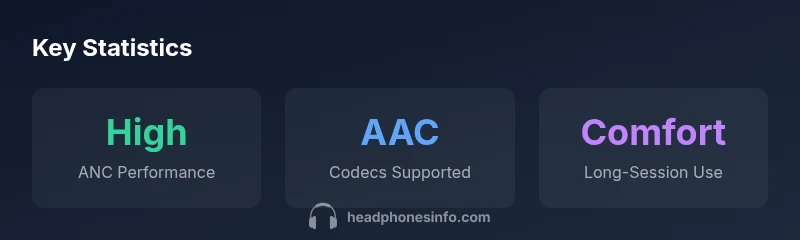
ANC performance is a core differentiator in the Samsung range. In practice, mid-to-premium models deliver noticeable reductions in ambient noise, making commutes and flights more comfortable. Look for transparency or ambient-mic modes that let you hear your surroundings when needed. The most effective approaches combine physical isolation with adaptive ANC that adjusts to your environment. If you frequently ride crowded trains or work in a noisy office, prioritize models known for consistent cancellation and quick responsiveness to sudden sounds. Regular firmware updates can also improve ANC stability and overall performance.
Connectivity, Apps, and Codec Support
Samsung headphones typically offer robust Bluetooth pairing and multi-device switching, a convenience for users who move between a phone, laptop, and tablet. Codec support varies by model, with AAC/SBC being common and LDAC appearing on higher-end variants when paired with compatible devices. The companion app can provide EQ customization, preset sound modes, and firmware management to keep devices current. For users who value ecosystem coherence, consider how well the headphone line integrates with your primary devices and whether you rely on wireless streaming, app-based sound tuning, or on-device controls while traveling.
Buying Guide: Choosing the Right Samsung Over-Ear Headphones for You
First, define your primary usage: travel, work, gaming, or casual listening. Second, evaluate ANC strength and comfort under long wear. Third, confirm codec support matches your devices to ensure seamless streaming and decoding of high-quality audio. Fourth, examine battery life expectations with ANC on versus off, and finally consider whether you want extra features such as app-based EQ, touch controls, or multipoint pairing. If you primarily own Samsung devices, the ecosystem integration can enhance day-to-day usability and offer smoother updates and control.
Practical Care and Maintenance
To prolong the life of your Samsung over-ear headphones, store them in a protective case, clean the pads with a mild cloth, and avoid exposing them to extreme heat or moisture. Regularly check and update firmware to improve performance and fix issues related to connectivity or noise cancellation. If a pad becomes worn or uncomfortable, consider replacement cushions where available, as this can restore comfort and seal for better ANC. With proper care, these headphones maintain performance and comfort across years of use.
Samsung over-ear headphone tier overview
| Model Type | Battery Life (with ANC) | Weight (approx) | Key Pros |
|---|---|---|---|
| Entry-level | 20-25 hours | 260 g | Affordable ANC with decent sound |
| Mid-range | 25-35 hours | 300 g | Stronger ANC and better comfort |
| Premium | 35-40 hours | 340 g | Top-tier comfort and customizable EQ |
People Also Ask
Do Samsung over-ear headphones support LDAC or high-resolution codecs?
Some higher-end Samsung over-ear models support LDAC when paired with compatible devices. Most models support AAC and SBC. For best results, use LDAC with Android devices that support it.
Some Samsung models do LDAC; otherwise AAC and SBC are common.
How do Samsung over-ear headphones compare to Sony's WH-1000XM series?
Samsung's line generally offers strong ANC and ecosystem compatibility, especially with Samsung devices. Sony often leads with slightly more refined sound and features, so testing both is recommended to match your preferences.
Sony usually leads for sound quality, but Samsung is a strong competitor.
Are they comfortable for long listening sessions?
Yes, most models provide plush ear cushions and balanced clamping force, but weight and headband feel vary by model. If you wear glasses, look for models with extra padding and a gentler clamp.
Most people find them comfortable for long listening, though it depends on model.
What is the typical battery life with ANC on?
Battery life varies; ranges commonly span from around 20 to 40 hours depending on model and whether ANC is on. If you travel a lot, prioritize models with longer endurance.
Battery life depends on the model and how you use ANC.
Can I use Samsung over-ear headphones with a PC or Mac?
Yes, via Bluetooth or wired connection using a 3.5 mm cable; they work with Windows, macOS, and many streaming devices. For PC gaming, multipoint helps, but wired can reduce latency.
Yes, you can use them with your PC or Mac.
What should I look for when buying Samsung over-ear headphones?
Focus on ANC strength, comfort, battery life, codec support, and app features. Also consider whether you are in the Samsung ecosystem and whether you need multipoint pairing.
Look for ANC, comfort, battery, codecs, and ecosystem.
“Samsung over-ear headphones deliver a reliable mix of ANC, comfort, and ease of use, especially for Android ecosystems. The right model varies by where you listen most.”
What to Remember
- Identify your use-case to pick the right model.
- Prioritize fit and seal for better ANC.
- Check ecosystem compatibility with your devices.
- Expect model-to-model trade-offs in weight and battery.
- Test codec support and app-based tuning before buying.