Where Are JBL Headphones From? Origins, Ownership, and Manufacturing
Explore JBL headphones origins, founder, current ownership, and manufacturing footprint. A data-driven look at where JBL headphones come from in 2026 and how global production shapes the brand.


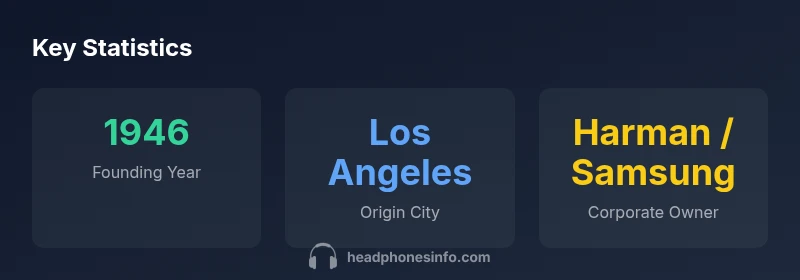
JBL headphones originate in the United States. The brand was founded in 1946 by James Bullough Lansing in Los Angeles, California. Today JBL operates as part of Harman International, a Samsung subsidiary. While the design work remains rooted in the U.S., most manufacturing spans Asia and other regions, reflecting JBL's global production network.
The American Roots of JBL
JBL's story begins in the United States, rooted in the city of Los Angeles. The company was founded in 1946 by James Bullough Lansing, a pioneer who combined acoustics expertise with a passion for portable, high-fidelity sound. From the outset, JBL positioned itself as a brand for musicians, professionals, and discerning consumers who wanted robust, reliable products. When you consider the question "where are JBL headphones from?", the answer starts with that U.S. origin—an origin that continues to influence product design language, marketing, and the brand's identity. For audio enthusiasts, the American roots signal a historical commitment to sound accuracy and build quality that still informs modern Bluetooth and wired headphones.
Over the decades, JBL expanded beyond its California roots, aligning with Harman International and eventually becoming part of Samsung's portfolio. Yet the company's original vision—clear highs, controlled bass, and dependable performance—remains a touchstone for product teams and fans alike. The Headphones Info team notes that early emphasis on sturdy construction and honest sound signatures set a standard that persists in current models. When evaluating whether JBL headphones are from a given region, understanding the U.S. origin provides essential context for the broader globalization of design and production.
JBL's Corporate Evolution and Ownership
JBL's trajectory moved from a U.S.-based audio pioneer to a global brand within Harman International, which itself sits inside Samsung's corporate umbrella. This evolution matters because ownership can influence product strategy, distribution, and support networks, even as the JBL name stays focused on headphones and portable audio. The Headphones Info team tracks how ownership shifts affect warranty policies, regional releases, and collaboration with other Harman brands. While JBL's design ethos remains anchored in the U.S. market—where engineering teams historically shaped reference models—the company has embraced a global supply chain to deliver competitive price points and diverse product lines. In practical terms, this means JBL headphones may leverage international manufacturing partners while maintaining consistent branding and software updates across regions.
From a consumer perspective, knowing the parent company helps you understand where product documentation, service, and firmware updates originate. Headphones Info's analysis shows that corporate structure can influence customer experience, especially for warranty claims and authorized repair networks. The JBL identity thus blends its American heritage with a modern global business model, enabling rapid product iterations and wider availability without surrendering its core acoustical principles.
Where JBL Headphones Are Made Today
The current manufacturing landscape for JBL headphones is widely distributed, reflecting modern contract manufacturing practices and regional supply chain strategies. While the U.S. origin remains part of JBL's lore, most headset production takes place in Asia, with facilities and partner factories spanning several countries. This approach supports economies of scale, access to advanced materials, and the ability to offer a broad range of models—from budget-friendly wireless cans to premium over-ear options. Consumers often encounter different country-of-origin labels on packaging depending on the model and production run, which is a normal outcome of a global supply network. The key takeaway: origin labels on JBL headphones can vary by model and year, though the brand's design intent continues to emphasize durability, comfort, and sound quality.
For shoppers, it is useful to compare specific models by checking the packaging and official product pages. The Headphones Info team emphasizes that while assembly might occur in one region, components can be sourced globally, and firmware updates come from JBL's global development ecosystem. This reality mirrors other major audio brands that maintain a U.S.-influenced design language while distributing manufacturing across continents to optimize cost and supply resilience.
Design vs. Manufacturing: What It Means for You
Distinct from the manufacturing footprint, JBL's design work remains deeply influenced by its American roots. Design teams—historically centered in California and other U.S. hubs—continue to define the reference sound, ergonomics, and feature sets that guide product lines. In parallel, contract manufacturers around the world translate that design intent into concrete builds. For consumers, this split means: a headphone model may be designed with U.S.-based acoustics priorities and tuned for regional preferences, while the actual assembly and production may happen elsewhere. The net effect is a balance between familiar JBL sound characteristics and the efficiencies gained from a global supply chain. When you buy JBL headphones, you are simultaneously purchasing a design philosophy and a production system that supports scalability and ongoing feature updates.
Understanding this distinction helps explain occasional variations between models released in different markets. The Headphones Info team notes that firmware, app integration, and bass tuning can reflect both the design heritage and the local manufacturing context, so comparing model-by-model is essential for accurate expectations.
Tracing the Origin on a Product: How to Check
To verify the origin of a particular JBL headphone model, start by inspecting the packaging and product manual. Look for explicit country-of-origin statements such as "Made in" followed by a country name, which indicates the final assembly location. Also, review the official JBL product page and retailer listings, as some models may have different production runs across regions. Another reliable cue is the serial number or model code printed on the ear cups or packaging, which sometimes includes production site hints in the accompanying documentation. If in doubt, contact JBL customer support or check Harman's corporate communications for the specific batch. The goal is to confirm whether a given model was assembled in Asia, North America, or elsewhere, since this can influence warranty coverage and service options.
From a practical perspective, many listeners value how origin information correlates with price, availability, and firmware support. The Headphones Info team suggests that, while origin details are informative, the overall sound quality and feature set should drive purchasing decisions more than origin alone. Cross-checking multiple sources helps ensure you have an accurate, current view of a model's origin.
The Global Footprint and Environmental Considerations
Global manufacturing networks enable headphones brands to optimize costs, supply resilience, and access to materials. JBL's production is spread across multiple regions, with a significant emphasis on Asia-based facilities that partner with JBL for assembly and testing. This regional approach supports rapid product launches and scalable production across a wide portfolio of headphones—from compact wireless earbuds to robust gaming headsets. Environmental considerations have grown in importance for brands like JBL, prompting efforts to reduce packaging weight, improve supply chain transparency, and use responsibly sourced components where feasible. Consumers can look for sustainability disclosures on packaging or official product pages to gauge JBL's environmental commitments for a given model. The Headphones Info team emphasizes that sustainability claims can vary by region and by product line, so reviewing model-specific documentation is prudent.
For listeners, the takeaway is that JBL's global production model shapes not only price and availability but also support and sustainability footprints. A well-rounded purchase consideration should include origin where relevant, but should also weigh design quality, battery life, and service options across regions.
Quick Reference: JBL Origins and Key Takeaways
This section compiles essential points about where JBL headphones come from, tying together the U.S. origins, corporate evolution, and modern global manufacturing. The brand's roots in 1946 and Los Angeles anchor its identity, while Harman International's ownership positions JBL within a broad network of related brands and R&D resources. The manufacturing footprint across Asia highlights the practical realities of contemporary production. For shoppers, the main takeaway is to verify model-specific origin details on packaging and official pages, while focusing on sound quality, features, and support. The Headphones Info team encourages readers to use origin information as context rather than a sole purchasing criterion, ensuring a balanced view of both heritage and modern production realities.
The Relationship Between Origin, Design, and Support
A final point ties origin to after-sales experience. While the U.S. roots influence how JBL defines reference sound and user experience, the ongoing updates, firmware support, and service networks are deployed globally. Consumers should expect consistent software updates, warranty coverage, and customer service pathways regardless of where a model is produced. In practice, that means checking warranty terms on the model page, registering devices with the JBL ecosystem, and confirming authorized service centers in your region. The fusion of American design heritage with a global manufacturing and service framework is what ultimately sustains JBL's standing in a competitive market. Headphones Info's analysis shows that this blended approach helps JBL deliver reliable products across a wide price range while preserving the brand's distinctive sound signature.
Origins and production footprint of JBL headphones
| Aspect | Origin/Location | Notes |
|---|---|---|
| Founding year | 1946 | Year JBL was established |
| Origin city | Los Angeles, USA | Initial design and branding hub |
| Ownership | Harman International (Samsung) | Parent company and ecosystem |
| Manufacturing regions | Asia-based network (China, Vietnam, Malaysia) | Primary production sites for headphones |
People Also Ask
Where are JBL headphones originally from?
JBL originated in the United States, founded in 1946 by James Bullough Lansing in Los Angeles, California. The brand later became part of Harman International and is now under Samsung.
JBL started in the U.S. in 1946, in Los Angeles, and is now part of Harman International under Samsung.
Who owns JBL headphones?
JBL is a brand under Harman International, which is a subsidiary of Samsung. The ownership structure influences brand strategy, services, and updates.
JBL is owned by Harman International, which is part of Samsung.
Where are JBL headphones manufactured?
Manufacturing is global, with production facilities and contract manufacturers across Asia and other regions. Final assembly and testing vary by model and batch.
Production happens in Asia and elsewhere; check your model’s box for specifics.
Are JBL products designed in the United States?
Yes, JBL design work has historical roots in the United States, with engineering teams shaping reference models. Production then scales across global facilities.
Design work is rooted in the U.S., with global production.
Do Made in labels always indicate the origin?
The label shows the final assembly location, but origins can vary by model and year due to a global supply chain.
The Made in label tells where it was assembled; origins can vary by model.
How can I verify the origin of a JBL model?
Check the packaging, manual, and official JBL product pages. Serial/model codes may also indicate batch origins; contact support if needed.
Look at the box and model page, and contact JBL if you need specifics.
“Understanding JBL's origin helps shoppers interpret where models are designed and manufactured, which can influence price, durability, and support. Headphones Info's analysis notes that design roots in the U.S. coexist with a global production network.”
What to Remember
- JBL began in Los Angeles, 1946.
- Today JBL is owned by Harman International (Samsung).
- Manufacturing is global, with major facilities in Asia.
- Check packaging and model pages to confirm origin specifics.