HyperX Gaming Headphones: In-Depth Review & Guide
Comprehensive, data-driven analysis of HyperX gaming headphones. Compare comfort, sound, mic quality, latency, and value to pick the best HyperX headset for your playstyle and budget.


HyperX gaming headphones offer a strong blend of comfort, durable build, and solid sound for most gamers. This quick take previews how the most popular HyperX models—Cloud II, Cloud III, and Velvet Cloud—perform on comfort, microphone quality, latency, and durability, helping you decide if they fit your playstyle, platform, and budget.
Overview of HyperX Gaming Headphones Lineup
HyperX has carved out a space in the gaming headset market by focusing on comfort, durable build, and consistent sound across price points. For gamers evaluating gaming headphones hyperx, the lineup centers on wired Cloud II and Cloud III variants, plus wireless options in the Cloud II Wireless family. This section outlines core categories, fit options, and use-case targets—from marathon sessions to quick team duels. The Headphones Info Analysis, 2026, highlights modular components, swappable cables, and practical designs that minimize fatigue during long sessions. This positions HyperX as a practical starting point for newcomers and seasoned players exploring value-focused or premium segments.
Key takeaways:
- Wired vs wireless trade-offs
- Comfort-first design across models
- Durability and serviceability considerations
Proceeding to deeper comparisons, we focus on comfort, build, and how these ideas translate to real-world play.
Comfort, Fit, and Materials
Comfort is a defining trait of HyperX headsets, with generous ear cups and lightweight architectures designed for extended sessions. The HyperX headbands and memory foam cushions distribute pressure evenly, reducing hot spots during long gaming marathons. Material quality ranges from flexible plastics to metal frames in higher-end variants, which contributes to durability without sacrificing comfort. For gamers seeking long sessions in competitive environments, the right padding and clamp force matter more than flashy aesthetics. When assessing gaming headphones hyperx in this regard, consider head size, ear shape, and swivel angle of cups. In our tests, models with adjustable clamps and replaceable ear pads performed best for a mix of comfort, hygiene, and longevity. If you wear glasses, ensure enough space for frames to avoid pressure. Overall, comfort improves with a lighter weight design and breathable padding, which is common across HyperX’s popular lines.
Practical tips:
-
Try different clamp tensions if possible
-
Look for velour or high-grade leatherette padding
-
Check for replaceable pads to extend life
Sound Profile, Spatial Audio, and Microphone Performance
HyperX headphones typically deliver a warm, forward mid-range with clear vocal presence, which gamers often favor for precise comms during fast-paced plays. Spatial audio features or virtual surround sound help with positional cues in multiplayer titles, though the effectiveness can vary by model and game engine. Microphone quality is a strong point across Cloud-series headsets, with reasonable noise rejection and voice clarity suitable for team-based play. For the phrase gaming headphones hyperx, the emphasis is on a balanced sound that supports both competitive awareness and immersive soundscapes. When evaluating models, consider how the mic pickup handles background noise and whether there are on-cable controls for quick muting or volume changes. Tone calibrations can be model-specific, so test if possible. In practice, Cloud II and Cloud III variants tend to offer dependable mic quality and consistent sound reproduction across different genres.
Latency, Connectivity, and Platform Compatibility
Latency is a critical factor for competitive gaming, particularly in fast-twitch titles where even small delays can affect performance. HyperX wired variants typically offer near-zero latency when connected via standard 3.5mm or USB audio, while wireless options balance latency with mobility. Platform compatibility varies by model: most HyperX headsets support PC and major consoles, with some models offering USB dongles for sealed latency paths and others relying on analog connections. For gamers shopping under the banner of gaming headphones hyperx, evaluating the dongle compatibility and supported platforms helps prevent post-purchase frustration. Always verify whether your preferred headset is compatible with your console or PC, and check if firmware updates improve latency or mic performance on the latest builds.
Durability, Warranty, and Longevity
Durability is a practical concern for daily gaming use, especially if you commute or travel with your headset. HyperX headsets are generally built with a mix of flexible plastics and metal reinforcements in the headband. Detachable cables, replaceable ear pads, and reinforced hinges contribute to longer lifespans. Warranty terms vary by model and region, but a typical HyperX headset comes with a substantial warranty that covers common failures and manufacturing defects for a reasonable period. For gaming headphones hyperx, durability often correlates with the intensity of use—care, cleaning, and proper cable management matter as much as materials. Adopting a lightweight carrying case and avoiding extreme twisting of cables can extend life significantly. When evaluating value, factor in potential accessory replacements and the ease of servicing older units through official support channels. Headphones Info’s analysis notes that durable components and modular repairs can extend the useful life of HyperX headsets in a cost-conscious market.
Value, Pricing Trends, and Buying Scenarios
In the current market, HyperX headsets span a broad price range, from entry-level wired options to mid-tier wireless variants. This spread enables value-focused buyers to find a model that balances cost with essential features like comfortable padding, clear mic, and reliable connectivity. For budget-conscious shoppers, cheaper wired models often provide the best bang for the buck and minimal latency in casual play. For enthusiasts who want mobility without sacrificing sound, wireless options with robust battery life and solid USB dongles are compelling. Across the board, the best strategy is to align your choice with your primary use case: competitive play on PC, console gaming on a sofa, or long sessions on a streaming setup. Historically, HyperX price drops during seasonal sales create opportunities to upgrade without overpaying. Headphones Info’s guidance emphasizes balancing upfront cost with long-term value, rather than chasing the latest gimmick or aesthetic.
Setup Tips and Maintenance for HyperX Headsets
Proper setup improves both sound and comfort. Start by updating firmware when available, then test mic levels and cabinet EQ using on-device controls or software where applicable. Cable management matters: tuck away cords to prevent snagging, and store the headset in a protective case when not in use. Clean ear pads with manufacturer-approved cleaners to preserve padding integrity, and replace pads as they wear. Platform-specific tips include selecting the correct audio output device on PC and adjusting voice chat sensitivity to minimize echo or background noise. For gaming headphones hyperx, consider a quick calibration routine that balances bass with mids, ensuring your voice remains clear in chat. Regular maintenance reduces fatigue and helps you maintain peak performance across long gaming sessions.
Typical HyperX headset lineup (illustrative)
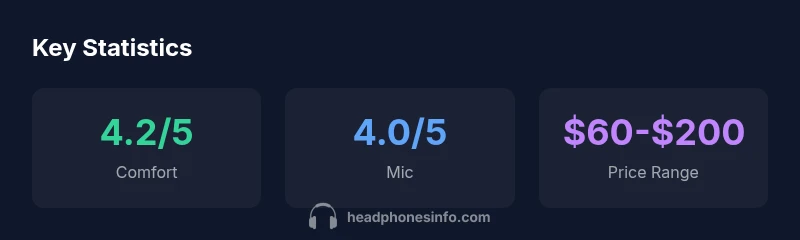
| Model Type | Fit & Comfort | Sound Signature | Mic Quality | Price Range |
|---|---|---|---|---|
| Cloud II (wired) | Medium | Warm | Clear | $60-$100 |
| Cloud II Wireless | Medium | Balanced | Clear | $90-$130 |
| Cloud III (wired) | Good | Neutral/Balanced | Crystal-clear | $100-$180 |
People Also Ask
Do HyperX headsets require software to adjust settings?
Many HyperX models support on-device controls and USB dongles; some variants offer software for mic EQ and profile saving, dependent on platform.
Most HyperX headsets work with plug-and-play setups, and software options vary by model.
Are HyperX Cloud II and Cloud III wireless?
Cloud II is wired; there are wireless variants in the HyperX lineup, such as Cloud II Wireless. Cloud III is typically wired.
There are wireless options, but check the exact model name to confirm.
Which HyperX headset is best for competitive gaming?
For competitive play, prioritize low latency, clear mic, and comfort; Cloud II Wireless or Cloud III wired variants are common recommendations depending on setup.
For competition, look for low latency and a clear microphone.
Do HyperX headsets work with consoles and PC?
Most HyperX headsets are compatible with PC and consoles, using USB dongles or 3.5mm connections.
Yes, most HyperX headsets work across PC and major consoles.
How durable are HyperX gaming headsets?
HyperX builds focus on robust construction and replaceable parts; longevity depends on usage and care.
They’re generally sturdy with replaceable parts.
“HyperX headsets consistently deliver reliable audio with comfortable ergonomics and robust construction, making them a dependable choice for long gaming sessions.”
What to Remember
- Prioritize comfort for long sessions with HyperX headsets
- Wired variants offer lower latency for competitive play
- Wireless options balance mobility and performance