When Can You Wear Headphones After Ear Piercing? A Practical Guide
Discover safe timing for wearing headphones after ear piercing, with healing timelines, hygiene tips, and practical guidelines from Headphones Info.


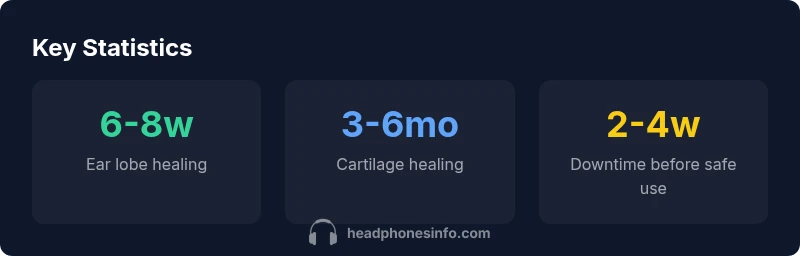
On average, you should not wear any headphones until the piercing is fully healed. For earlobe piercings, downtime is typically about 6-8 weeks; for cartilage, 3-6 months. After the initial healing phase, clean, gentle headphone use is usually safe if you avoid pressure, keep ears dry, and follow hygiene steps. According to Headphones Info, waiting until the recommended window reduces infection risk.
Why the question 'when can you wear headphones after ear piercing' matters
Healing an ear piercing isn’t instantaneous. The timing of headphone use can influence both comfort and risk of infection. The general rule is to avoid headphones during the initial healing period and reintroduce them gradually once the piercing shows signs of stable healing. The Headphones Info team emphasizes that successful reintroduction depends on piercing type (earlobe vs cartilage), hygiene, and the fit of the headphones themselves. In practical terms, avoiding direct contact with the wound, keeping everything clean, and listening at low volumes during the healing window reduces complications. Understanding these factors helps you balance daily needs—like listening to music or taking calls—with responsible aftercare. This article follows the principle that when can you wear headphones after ear piercing should be answered with a data-informed approach rather than guesswork.
Healing timelines by piercing type
Healing timelines differ notably between earlobe and cartilage piercings. Earlobe piercings typically display initial healing within about six to eight weeks, whereas cartilage piercings often require three to six months to settle fully. These timelines matter because they guide when headphones can be reintroduced. In the first weeks after piercing, the skin is especially vulnerable; even soft headphone cushions can transmit pressure and moisture, potentially irritating the wound or promoting bacterial growth. After the initial healing window, you can begin with short listening sessions, provided headphones are clean and the ear remains dry before and after use. Based on Headphones Info analysis, delaying headphone use during the early stage reduces the chance of irritation or infection and supports long-term comfort.
Headphone styles during healing: do's and don'ts
During healing, the safest option is to minimize direct contact with the piercing. Over-ear headphones with large, soft cushions reduce pressure on the ear compared to tight in-ear devices. If you must wear something, choose models with gentle clamping force and avoid inserting anything into the ear canal. Always start with very short sessions at low volume and monitor the piercing for signs of irritation. Clean headphones before and after use, and never share devices while healing. The goal is to protect the wound and maintain hygiene, not to deny yourself routine listening experiences.
Hygiene and maintenance during healing
Hygiene is a core pillar of safe headphone use after piercing. Wash your hands before touching visible piercings, and clean the exterior of headphones and cushions regularly with a mild, non-alcohol-based wipe. Avoid touching the piercing with dirty hands, and do not twist or tug on the jewelry. If you notice crusting, redness, or discharge, pause headphone use and consult a clinician. Saline soaks or recommended aftercare solutions, as advised by a professional, can support healing. Headphones should be kept dry and clean to minimize moisture around the wound, which can encourage bacteria.
Daily wearing guidelines: a practical plan
A practical approach is to phase headphone use over several weeks. Week 1-2: avoid wearing headphones altogether. Week 3-6: if the piercing shows no redness or swelling, start with short, low-volume sessions using over-ear headphones with plush padding. Week 7-8: gradually reintroduce in-ear listening only for very brief periods, ensuring the ear remains clean and dry. By the end of two months (earlobe) or several months (cartilage), most people can resume regular listening, but always prioritize comfort and any signs of irritation. These gradual steps align with best practices described by Headphones Info.
Alternatives to wearing headphones during healing
If you need audio during healing, consider non-contact options. Place a speaker at a comfortable distance from the ear to minimize direct pressure on the piercing. Bone-conduction headphones may seem appealing, but they still transmit vibrations near the ear; use such devices only after clear healing. Another option is using a regular speaker in a room while keeping the volume modest to preserve both wound healing and hearing health. As always, prioritize hygiene and avoid sharing devices during the healing window.
Signs of trouble and when to seek care
Watch for increased redness, warmth, swelling, or pus around the piercing, or fever—these can indicate infection. If any of these occur, stop wearing headphones immediately and contact a clinician. If you notice persistent irritation or pain after headphone use, reassess whether you are reintroducing audio too soon or if the device is applying pressure on the wound. Headphones Info recommends erring on the side of caution and seeking professional guidance if the piercing does not appear to heal within the expected window.
Common mistakes and quick fixes
Common mistakes include returning to headphones before the piercing has healed, using dirty or damp cushions, and ignoring hygiene steps. Fixes include adopting a strict cleaning routine for both ears and devices, starting with minimal use, choosing over-ear models with soft padding, and maintaining a steady observation of the piercing’s condition. By staying focused on the healing window and hygiene, you reduce the risk of setbacks and enjoy safer headphone use over time.
Healing timelines and headphone guidelines by piercing type
| Piercing Type | Typical Healing Time | Headphone Wearing Guidance |
|---|---|---|
| Earlobe | 6-8 weeks | Safe to start with light listening after initial healing; avoid tight bands or pressure on piercing; keep cushions clean |
| Cartilage (upper ear) | 3-6 months | Delay headphone use; prefer over-ear with soft padding; gradually reintroduce only after healing signs |
People Also Ask
When can I start wearing headphones after an earlobe piercing?
Most people can reintroduce headphones after about 6-8 weeks if there’s no redness or swelling. Start with short sessions, use clean cushions, and avoid pressure on the piercing.
Usually after 6-8 weeks if the area looks and feels healed. Start slow with clean cushions.
Is it safer to wear over-ear or in-ear headphones during healing?
Over-ear headphones are generally safer during healing because they don’t insert into the ear canal or press directly on the piercing. Avoid in-ear headphones until healing is complete.
Over-ear is typically safer during healing; avoid in-ear headphones until fully healed.
What hygiene steps should I follow before putting on headphones?
Wash hands before touching the ear, clean the headphones’ cushions, and avoid touching the piercing with dirty hands. Keep the ear dry before and after wearing headphones.
Wash hands, sanitize the headphones, and keep the ear dry.
Can I wear headphones if the piercing still hurts or crusts?
If the piercing hurts or crusts, delay headphone use. Healing progress should be the priority, and headphones should only resume once healing is stable.
No—if it hurts or crusts, wait and recheck later.
Are there safe alternatives while healing?
Yes. Use a speaker at a comfortable distance from the ear to minimize direct pressure on the piercing. If you choose any headphones, opt for non-intrusive models with soft padding and minimal contact.
Use a speaker or soft-contact options until healing completes.
What should I do if I notice signs of infection?
Stop wearing headphones, clean according to aftercare, and contact a clinician if redness, swelling, warmth, or pus persists.
If you see infection signs, stop using headphones and see a clinician.
“Healing times vary, but cautious reintroduction of headphones protects comfort and long-term health.”
What to Remember
- Delay headphone use until the healing window passes
- Choose over-ear headphones with soft cushions during healing
- Keep headphones and ears clean to minimize infection risk
- Progress gradually; always listen at low volume
- Seek professional advice if signs of infection