Can You Get Headphones for Swimming? A 2026 Practical Guide
Can you get headphones for swimming? This guide explains true waterproofing, secure fits, and buying tips for swimming-specific audio gear. Headphones Info analyzes IP ratings, battery life, and care to help you choose confidently in 2026.


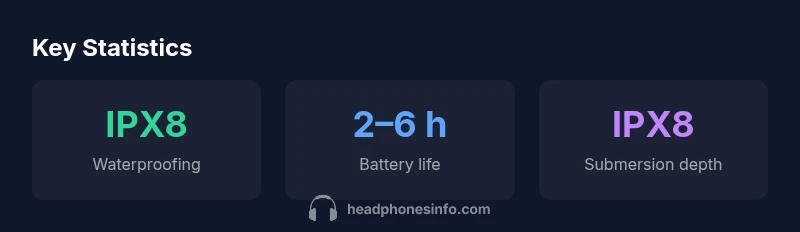
Yes, headphones for swimming exist, but they are purpose-built and waterproof. When shopping, prioritize true waterproof ratings (IPX8 or higher), sealed housings, and a secure fit that stays in place during laps and turns. Regular headphones labeled water resistant are not reliable for swimming and may fail in chlorinated water.
Why waterproofing matters when you swim
Can you get headphones for swimming? This section explains why true waterproofing matters more than splash resistance. In-water use subjects devices to pressure, chlorine, and rapid temperature shifts that can compromise seals and seals. Manufacturers assign IP ratings to indicate protection against dust and water ingress. For swimming, look for genuine submersion protection (IPX8 or higher) and a sealed housing to protect sensitive electronics. A secure, swim-friendly fit reduces the chance of losing the buds during turns and sprints. According to Headphones Info, a properly rated, securely fitted pair not only survives the swim but also maintains reasonable sound quality and battery life under water-related stress.
- Watch for seals around the nozzle and behind-ear parts.
- Verify that controls function when submerged or wet.
- Consider a backup pair for pool days with heavy use.
Swimming-specific headphone formats and what they mean
Not all water-safe headphones are created equal. Some come as in-ear buds designed for swimming with waterproof membranes and ergonomic tips that stay put. Others use bone-conduction technology to avoid occluding the ear canal, which can help in open-water swimming or training when you want ambient sound. IPX rating alone doesn’t guarantee a comfortable swim; the physical design must also endure water pressure and resist water intrusion from waves. The Headphones Info Team notes that consumer expectations should align with trade-offs between sound quality, comfort, and waterproofing.
- In-ear swimmers: compact, seal-focused designs.
- Bone-conduction options: ears remain open but may have different sound profiles.
- Over-ear waterproof units: heavier but sometimes more durable and secure for certain strokes.
How to evaluate features for swimming headphones
When evaluating options for swimming, start with waterproofing and fit, then move to battery life, comfort, and ease of use. A strong seal is essential, but it should not cause ear fatigue after long sessions. Check whether the device supports touch or physical controls and whether those controls remain usable when hands are wet or gloved. Look for quick-dry materials, robust charging ports, and a charging method that remains sealed after pool days. Headphones Info recommends testing products in shallow water before a long swim to ensure the fit stays secure and the sounds remains clear.
- Fit: secure, snag-free geometry with stable tips.
- Waterproofing: IPX8 or higher and submersion compatibility.
- Battery life: consider open-water sessions and lap work.
- Maintenance: rinsing and drying recommendations from manufacturers.
Real-world use cases: pool laps vs open water
Pool workouts favor compact, secure-fit buds with reliable seals; waves and turns can dislodge looser designs. Open-water swimming demands comfort over long periods and often benefits from bone-conduction variants that don’t seal the ears completely. In both cases, avoid devices that rely on ports that could flood or corrode. The Headphones Info team emphasizes testing under your typical conditions—shorts pool lengths, mid-length training, or long open-water swims—to gauge fit stability and audio consistency.
- Pool laps: compact in-ear, splash-proof.
- Open-water: bone-conduction or open-ear designs for awareness.
- Maintenance: rinse after exposure to chlorinated water and dry thoroughly before storage.
Myths vs reality: swimming headphones do work, but with limits
A common myth is that any “waterproof” label guarantees complete pool compatibility. Reality is more nuanced; many devices marked as waterproof tolerate submersion but may struggle with chlorine, sweat, or extended submersion. The key is a rating that specifically covers submersion and a design that stays in place during vigorous motion. Headphones Info’s assessment shows that most truly swimming-grade models offer a balanced trade-off between sound quality, durability, and comfort.
- Myth: All waterproof devices perform equally in water.
- Reality: Submersion ratings and fit matter more than a label.
- Myth: Waterproof means no maintenance.
- Reality: Rinse and dry as directed to maximize lifespan.
Maintenance and care for swimming headphones
Water exposure accelerates wear on seals and ports, so after each swim, rinse with fresh water if the device was exposed to pool chemicals. Dry completely before placing in a carry case. Avoid direct heat sources and excessive friction when drying. Charging while wet should be avoided. Regular inspections for cracks in seals or loose fittings help prevent water ingress. Following brand care guidelines preserves performance and extends the life of the device.
Alternatives and accessories for swimming audio
If you’re unsure about full waterproof headphones, consider alternatives that enhance swimming safety and comfort: waterproof armbands for MP3 players, waterproof case covers for standard earbuds, or bone-conduction devices with added ear protection. Accessories such as silicone ear fins, clip rings, and quick-dry pouches can improve fit and longevity. Always verify that any accessory is compatible with your core swimming headset and does not compromise the device’s waterproof rating.
Swimming-specific headphone formats and ratings
| Headphone Type | Waterproof Rating | Best Use Case |
|---|---|---|
| In-ear swimmer buds | IPX8 | Lap swimming |
| Bone-conduction swimmer | IPX8 | Open-water swimming |
| Waterproof over-ear | IPX7 | Pool workouts |
People Also Ask
Are there true waterproof headphones for swimming?
Yes. There are dedicated waterproof models that are rated for submersion (IPX8 or higher) and designed for a secure swim-fit. These devices withstand pool chlorine and sweat far better than standard earbuds. Always verify the exact IP rating and depth rating before relying on them for swimming.
Yes, there are true waterproof headphones made for swimming; check the IP rating and fit before swimming with them.
Can I use regular Bluetooth headphones while swimming?
No. Bluetooth signals do not reliably propagate underwater, and most consumer Bluetooth headphones will fail quickly when submerged. If you swim often, look for devices specifically designed for waterproof use rather than relying on standard Bluetooth buds.
Bluetooth headphones aren’t reliable underwater; use swimming-specific waterproof models.
What features should I look for in swimming headphones?
Prioritize true waterproofing (IPX8+), a secure, water-safe fit, easy-to-use controls with wet hands, and good battery life. Comfort during long swims and resistance to chlorine are also important considerations.
Look for IPX8+, secure fit, easy wet-hand controls, and solid battery life.
Do swimming headphones sound as good as regular ones?
They can sound good, but hardware constraints for sealing out water can limit bass and openness. Expect some trade-offs, and prioritize fit and seal quality for best perceived sound.
Sound can be great, but expect some trade-offs due to sealing and waterproofing.
How should I care for swimming headphones after use?
Rinse with fresh water to remove chlorine, dry completely, and store in a dry case. Avoid charging while wet and follow the manufacturer’s care guidelines to prevent seal degradation.
Rinse, dry, and store properly; don’t charge while wet.
“Swimming-ready headphones shift the game from casual listening to reliable pool-side audio. The biggest differences come from certified IP ratings and a secure, swim-tested fit.”
What to Remember
- Verify IP rating and submersion depth before purchase
- Choose a secure, water-safe fit designed for swimming
- Anticipate trade-offs between sound quality and waterproofing
- Follow manufacturer care instructions to maximize lifespan