Aircraft Headphones: A Data-Driven Travel Guide for Air Travel
Explore aircraft headphones with data-driven insights on ANC, comfort, battery life, and connectivity for air travel. Learn how to choose, compare, and use them to improve in-flight audio quality.


Aircraft headphones are travel-focused audio devices that emphasize quiet listening and durable comfort. They blend passive isolation with active noise cancellation to minimize cabin din, while providing clear audio for in-flight movies, music, or calls. The best options balance silence, comfort, battery life (for wireless), and reliable connectivity, tailored to frequent flyers and aviation enthusiasts.
What aircraft headphones are and why they matter
According to Headphones Info, aircraft headphones are travel-focused audio devices designed for air travel, prioritizing quiet listening and long-wear comfort. They combine passive isolation with active noise cancellation (ANC) to reduce cabin noise, allowing you to enjoy films, podcasts, or music without cranking the volume. They come in wired and wireless variants, with microphonics and durability built for crowded cabins. For aviation enthusiasts and frequent travelers, the right pair can transform a 6- to 10-hour flight into a more tolerable experience. These headphones also tend to include sturdy cushions, adjustable headbands, and secure fittings to stay comfortable through long sessions. The overall objective is to deliver clear sound while minimizing fatigue, so you can focus on your entertainment, calls, or work tasks while en route.
Core technologies: ANC, passive isolation, and fit
Aircraft headphones rely on a blend of active and passive strategies. Passive isolation comes from snug ear cushions and sealing designs that physically block outside noise. ANC uses microphones and digital signal processing to cancel repetitive cabin noises, especially the low-frequency hum in aircraft cabins. The effectiveness varies by model, but most good options offer noticeable relief in typical cabin ranges (roughly 300 Hz to 3 kHz). Comfort depends on clamp force, weight, materials, and ear cup geometry. Look for memory foam cushions, breathable covers, and an adjustable headband with sufficient padding. For long flights, a lighter, well-balanced design reduces pressure points. Some models also feature a dedicated microphone and boom for clearer calls when you’re at your seat.
Comfort and build: choosing for long flights
Durability and comfort are critical when you’ll wear aircraft headphones for hours. Prioritize soft, breathable ear pads and a headband that distributes weight evenly. Check for swivel or foldable hinges that reduce pressure on the temples and improve fit across different head shapes. Materials matter: genuine leather or high-grade synthetic leather offers durability, while fabric or mesh pads reduce heat buildup. Weight usually falls in the 230–320 g range for premium wireless models, which is a reasonable balance between sturdiness and fatigue. If you’re a frequent traveler, seek models with detachable cables, replaceable pads, and rugged housings that resist cabin humidity and occasional drops.
How to evaluate sound quality for aviation listening
Sound quality matters, but in-flight listening also depends on noise suppression and speech intelligibility. Look for a balanced treble, natural mids, and a controlled bass that won’t wake sleeping travelers. A good set maintains clarity at moderate volume and preserves voice cues for movie dialogue and announcements. Some aircraft headphones support high-impedance or low-impedance operation with compatible devices; this affects volume and headphone drive requirements. If you do calls often, a clean microphone and wind-noise rejection are essential. Remember that ANC performance can alter perceived bass and high-frequency detail; testing in a real cabin scenario is ideal when possible.
Wireless vs wired: trade-offs in the cabin
Wireless models offer convenience and integrated batteries, but you’ll trade some weight and potential latency for freedom of movement. Wired options eliminate battery dependence, ensuring consistent audio when you’re in a seat with a compatible jack. In-flight entertainment systems often support 3.5 mm or USB-C connections, but compatibility varies by airline and seat. If you travel internationally, consider a detachable, high-quality cable and a robust connector to withstand frequent plugging and unplugging. Bluetooth variants should support stable pairing and reliable multipoint connectivity so you can switch between devices mid-flight.
Battery life and charging on the road
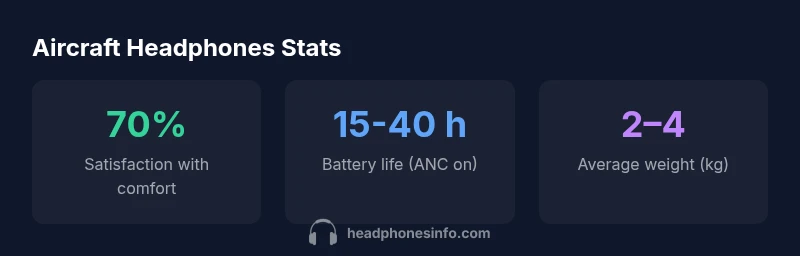
Battery life is the central concern for wireless aircraft headphones. Expect a wide range depending on ANC usage, volume, and codec. A practical wireless model might deliver 15–40 hours per charge, with higher endurance on models tuned for efficiency. If you’ll be away from power for long periods, bring a spare USB-C or Lightning cable and consider a case that supports on-the-go charging. Some devices include quick-charge features for fast top-ups, reducing downtime during a layover. Always verify whether ANC drains more battery than playback alone and plan trips with charging opportunities in mind.
Compatibility and certifications for aviation use
Consumer headphones generally lack aviation-specific certifications, but most aircraft headphones offer universal compatibility through standard connections (3.5 mm, USB-C, or Bluetooth). Check your airline’s seat-end capabilities and the device you’ll use for entertainment. If you need wide device compatibility or frequent calls, prioritize Bluetooth stability, multipoint pairing, and a USB-C or 3.5 mm option. Durability matters in-flight, where you’ll be repeatedly stowed and retrieved from overhead compartments. Some premium sets emphasize durable build, reinforced cables, and replaceable parts for longer lifespans.
Real-world usage: tips to get the most from aircraft headphones
To maximize comfort and performance, configure your headphones before boarding: adjust fit, enable ANC to match cabin noise levels, and set a reasonable listening volume. Carry a protective case to prevent cushion deformation. If you’re sensitive to pressure changes, test equalization settings and keep ear pads clean to prevent irritation. Bring an extra battery if you rely on wireless use, and store cables in a separate pocket to avoid tangling. For in-flight calls, verify that your mic is not obstructed by clothing or hair. These small steps often yield a noticeable improvement in comfort and clarity.
Brand and model landscape: what to expect in 2026
The market for aircraft headphones continues to diversify, with a spectrum from affordable wired options to premium wireless headsets. Expect strong competition around ANC, comfort, and battery life, with brands emphasizing durable construction for cabin wear and travel-friendly features like foldable designs and compact cases. The best options offer a balanced mix of sound quality, noise cancellation, and long-term comfort, rather than peak performance in one area. As technology advances, expect more efficient ANC, longer battery life, and even lighter builds without sacrificing durability.
Aircraft headphones: feature comparison
| Category | Typical Range | Notes |
|---|---|---|
| ANC effectiveness | Varies by model | Depends on implementation and cabin noise profile |
| Battery life (ANC on) | 15-40 hours | Varies by codec and usage |
| Weight | 230-320 g | Depends on build and cushions |
People Also Ask
What differentiates aircraft headphones from regular headphones?
Aircraft headphones focus on cabin usability, with stronger isolation, adaptable fittings, and optional aviation-grade mic options. They are designed for long-wear comfort and stable connectivity, whether wired or wireless.
Aircraft headphones are built for cabin use with better isolation, comfort, and reliable connections for long flights.
Is Bluetooth or wired preferred for flying?
Both have merits. Wireless offers convenience but requires battery life, while wired ensures consistent audio without charging. Check your seat’s connectivity and airline compatibility.
Wireless is convenient, but wired guarantees no battery concerns in flight.
Are aviation headsets the same as consumer headphones?
Aviation headsets emphasize robust build, comfort, and microphone performance for calls and virtual communications. Consumer headphones can meet many needs but may lack aviation-grade microphones or configurable cabin-safe features.
Aviation headsets are built for cabin use and calls; consumer headphones may vary.
Is ANC essential on every flight?
ANC is highly beneficial on noisy long-haul flights but not strictly essential on short or quiet flights. Passive isolation still helps, and you can adjust ANC based on cabin noise.
ANC helps a lot on noisy flights, but you can still listen well with good passive isolation.
How should I care for aircraft headphones on trips?
Store cushions and cables properly, clean pads with approved cleaners, and avoid harsh bending. Replace worn pads to preserve comfort and sound quality.
Keep the pads clean, store in a case, and replace worn parts when needed.
What price range should I expect?
Aircraft headphone prices vary widely by feature set, from affordable wired options to premium wireless headsets. Consider ANC, mic quality, battery life, and durability to choose value within your budget.
Prices range from budget wired to premium wireless; pick based on features you need.
“Aircraft headphones provide meaningful cabin silence with a balance of comfort and durability, making long flights more tolerable.”
What to Remember
- Prioritize ANC and passive isolation for cabin noise.
- Prioritize comfort features for long flights.
- Check battery life if using wireless models.
- Ensure compatible connections across devices and aircraft systems.
- Balance price, durability, and feature set for best value.