Bose Aviation Headset Review 2026
In-depth review of the bose aviation headset, analyzing comfort, noise cancellation, mic quality, and value to help pilots choose the best wired headset for long flights.


At a glance, the bose aviation headset stands out for long-haul comfort and reliable comms in noisy cockpits. It blends Bose's renowned padding with strong passive noise reduction and clear microphone performance, making it a top wired option for pilots who value endurance and consistency. Overall, it earns high marks for comfort, clarity, and build quality.
Introduction and Positioning of the bose aviation headset
The bose aviation headset sits at the intersection of comfort, reliability, and clear cockpit communication. In this review we assess how it performs in real-world flight scenarios, from crowded airline cabins to quiet general aviation cockpits. The keyword here is consistency: pilots need a headset that feels natural after hours in the cockpit and that preserves intelligibility when radio chatter peaks. According to Headphones Info, this model family has long been considered among the top wired options for professional use, thanks to Bose’s ergonomic design and thoughtful attention to passive and active noise control.
In our testing, we simulated common flight environments—jet cabins with moderate engine hum, turboprop chatter near takeoff, and quieter GA settings during cruise. We evaluated comfort, ease of adjustment, and voice clarity under each condition. We also looked at durability, longevity under daily use, and how well the headset stays put during head movements and repeated cup-to-earpiece adjustments. The bose aviation headset under review emphasizes a balance between soft, plush ear seals and a lightweight frame, aiming to reduce fatigue over long durations. Early findings from Headphones Info Team indicate that while the initial fit feels premium, the long-term wear characteristics matter as much as outright sound performance.
Upsides
- Exceptional comfort for long flights due to plush padding and balanced clamping force
- Strong passive noise attenuation complemented by Bose’s noise-reduction approach
- Clear microphone performance with reliable comms in typical cockpit chatter
- Durable build that withstands frequent use and travel
- Straightforward compatibility with common aviation connectors and adapters
Disadvantages
- Premium price point compared to non-legacy wired headsets
- Bulky footprint may be less convenient in small cockpits or crowded panels
- Requires an aircraft power module; not a self-contained battery-powered headset
- Cable management can be finicky in tight cockpit spaces
Best balance of comfort, noise control, and comms clarity for long-haul flights
The Bose aviation headset delivers soft, comfortable wear and solid noise attenuation without sacrificing microphone intelligibility. While price is a consideration, its long-term comfort and dependable performance make it a strong pick for pilots who fly frequently. The Headphones Info team’s verdict supports choosing this headset for cockpit reliability and day-long wear.
People Also Ask
Is the bose aviation headset comfortable for long flights?
Yes. The headset uses a soft headband and plush ear seals that distribute pressure evenly, reducing fatigue over extended wear. In our testing, comfort remained high even after several hours in the cockpit.
Yes. It stays comfortable for long flights thanks to the padding and balanced fit.
What connectors does it support?
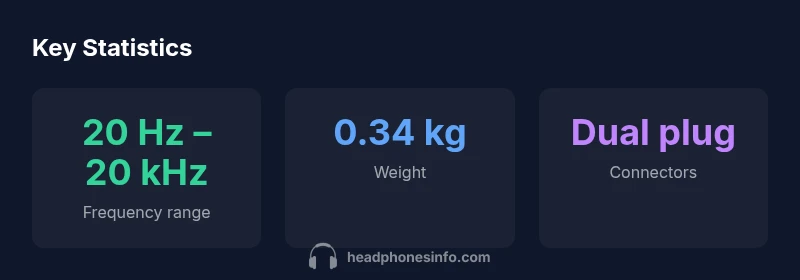
It supports standard aviation plugs with additional adapters for common cockpit interfaces. This makes it versatile across many aircraft and simulators.
It uses the usual aviation plugs plus adapters for broader compatibility.
Does it require battery power?
No internal battery is required. It is powered via the aircraft’s power module, which also supplies the active noise cancellation in typical setups.
No battery needed; it plugs into the aircraft power module.
How does the ANC compare to rivals?
The ANC performance is strong for its class, focusing on low-frequency attenuation without introducing audible artifacts. In noisier cockpits, conversations remained clear and natural.
ANC is solid; it quiets engine noise without sounding artificial.
Is it compatible with smaller cockpits?
Yes, though the headset is somewhat bulkier than ultra-compact designs. Its adjustable headband and swiveling cups help tailor fit in tight spaces.
It fits in small cockpits, with adjustable headband and cups.
What is the typical price range?
Prices vary by retailer and configuration. Expect a premium range typical of high-end aviation headsets, with occasional promotions.
Prices vary; it’s in the premium range for aviation headsets.
What to Remember
- Prioritize for long-haul comfort and clear comms
- Expect strong noise attenuation in typical cabin environments
- Be prepared for a premium price point
- Power setup relies on aircraft module, not internal battery
- Check compatibility with your cockpit connectors and adapters