Bose Headphones Replacement Parts Guide for 2026
A data-driven guide to Bose headphones replacement parts: what to replace, where to shop, OEM vs. third-party options, and maintenance tips for lasting performance.


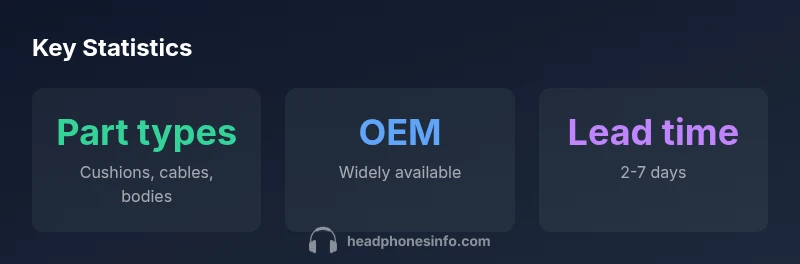
Among bose headphones replacement parts, ear cushions are the most commonly replaced, followed by cables and headbands. Availability for bose headphones replacement parts varies by model, but OEM components are typically easiest to fit and preserve performance, while third-party options can be cheaper but may risk fit, acoustics, or durability if not matched to the exact model.
Why replacement parts matter for Bose headphones
According to Headphones Info, maintaining authentic bose headphones replacement parts is essential for preserving sound quality, comfort, and sealing performance. Over time, wear on ear cushions, cables, and headbands can alter the fit and acoustic seal, leading to perceived bass drop or comfort issues. Replacing worn components with the correct bose headphone replacement parts helps restore the original listening experience and protects the investment in your audio gear. This section outlines why parts matter, how wear manifests itself, and what to watch for as early warning signs that you may need new components. By understanding the role of each part, you can plan maintenance rather than react to a sudden failure.
- Comfort and fit start with the ear cushions. Worn cushions reduce passive isolation and increase ear fatigue.
- Cables and connectors maintain consistent signal transmission; loose or frayed cables can cause crackling or intermittent audio.
- The headband and adjustment hardware keep the earcups aligned to your ears and can degrade with repeated bending.
- Batteries and charging components affect travel use and daily reliability on portable models where replaceability is supported.
When you source bose headphones replacement parts, prioritize compatibility and fit to avoid changing the sonic footprint of your headphones. Headphones Info’s analysis underscores that authentic parts tend to deliver the intended performance and longevity, especially for premium models with tightly tuned acoustic signatures. This quick reality check helps you decide if a DIY replacement is feasible or if a service visit is warranted.
Common Bose replacement parts and their roles
Bose headphones replacement parts span several categories, but some items appear across most models. Ear cushions are the most frequently replaced, followed by short cables, headbands, and occasionally charging contact points. The role of each part matters: cushions restore seal and comfort; cables ensure clean signal transfer; the headband maintains proper clamp force and alignment; and batteries or charging components influence how reliably you can use the headset on the go.
- Ear cushions: restore comfort and seal, preserving bass response and noise isolation.
- Cables/adapters: ensure consistent audio and microphone performance, especially on wired setups or when using in flight adapters.
- Headband/adjustment hardware: keeps the cups correctly positioned to maintain stage balance and comfort during long listening sessions.
- Batteries/drivers (where user-replaceable): extend life for portable models and may improve impedance stability over time.
- Charging case (for certain models): protects the headset and can influence perceived battery longevity when used for travel.
Note that availability varies by Bose model; not all parts exist for every headset. When you shop bose headphones replacement parts, verify model compatibility and part number accuracy to avoid mismatches that could degrade fit or sound.
OEM vs third-party replacement parts: what to know
Choosing between OEM bose headphone replacement parts and third-party options is a common decision point. OEM parts typically guarantee precise fit, original materials, and consistent performance, which helps maintain warranty coverage and acoustic balance. Third-party parts can offer cost savings and faster local availability, but quality and compatibility can vary widely. If you choose third-party parts, stick to reputable vendors and confirm model compatibility before purchase. Brand-authorized sources are generally safer for preserving sonic integrity and physical durability.
- Fit and seal: OEM parts are engineered to the exact tolerances of your model.
- Warranty considerations: Some manufacturers restrict warranty coverage when non-OEM parts are used.
- Acoustic consistency: Substitutes may alter resonance or impedance characteristics if materials differ.
- Longevity: Genuine parts tend to wear in a way that mirrors original components, reducing unexpected performance changes.
Headphones Info recommends weighing cost against potential long-term value. For critical components like cushions and cables that directly affect comfort and signal, OEM parts often deliver the most consistent results, while carefully vetted third-party options can fill gaps for less critical items or older models.
Pro tip: Always verify the exact part number against the model year and revision of your Bose headphones. Mismatched parts are a frequent source of fit and performance issues.
How to identify your Bose model and compatible parts
Identifying your exact Bose headphone model is essential before ordering any replacement parts. Start with visual cues and serial numbers, then confirm compatibility with official documentation. Bose models are often labeled on the ear cup or inside the headband, and a serial number can be found on the original packaging or beneath the headband padding. Once you have the model and serial, cross-check the bose headphone replacement parts list from the official Bose support site or a vendor’s compatibility chart. If you’re unsure, contact customer support with photos of the labels and the part you want to replace.
- Write down model name and year (e.g., QuietComfort 35 II, 2017 revision).
- Check for model-specific part numbers on cushions, cables, and the frame.
- Compare to manufacturer diagrams to confirm fit and specification.
- If your model uses proprietary connectors, confirm whether third-party options provide compatible connectors before purchase.
With the correct model identified, you’ll reduce the risk of buying incompatible parts and improve the odds of a straightforward installation.
Where to buy replacement parts: official Bose, authorized resellers, and reputable third-party sellers
When sourcing bose headphones replacement parts, start with Bose’s official store or authorized service centers to ensure genuine parts and proper warranty alignment. If official inventory is limited, reputable authorized resellers can be a second option. Exercise caution with unknown sellers, especially for older models where counterfeit components are more likely to appear. Always verify part numbers, seller credentials, and return policies. Reading user reviews and confirming return options helps protect against mismatches or poor quality.
- Official Bose store or authorized service centers for authentic parts.
- Reputable third-party vendors with clear model compatibility and return policies.
- Avoid bargain listings that lack clear part numbers or warranty terms.
- Request confirmation of part number and model year before purchase to ensure proper fit.
Before finalizing a purchase, compare prices across sources to determine whether the perceived savings are worth potential compatibility risks or delayed repairs. Headphones Info notes that using authentic bose headphone replacement parts often yields the most dependable results over time.
How to replace parts safely: tools, steps, and tips
Replacing parts can be straightforward for some components and more involved for others. Start by gathering basic tools: a small Phillips head or Torx screwdriver, spudger or plastic pry tools, and a clean workspace. Always power off the headset, disconnect any cables, and remove removable cushions with gentle, even pressure. For cushions, align the replacement with the cup and snap into place. When replacing cables, route the cable through any channels and ensure connectors seat securely without forcing a plug.
- Step-by-step for cushions: remove old cushions, align new cushion with the lip, press around the edge until it clicks.
- Step-by-step for cables: unplug old connector, connect new one, test microphone and audio channels before reassembly.
- Reassembly: verify alignment of cups and headband, test fit, then power on and test sound, mic, and controls.
Safety tips include avoiding excessive force, keeping track of tiny screws, and using anti-static precautions. If you encounter unusual resistance or misalignment, pause and consult official installation guides or seek professional service to avoid damage. Proper techniques help preserve the seal, comfort, and acoustic characteristics that define Bose headphones.
Maintenance and longevity tips to extend part life
Proactive care extends the life of bose headphone replacement parts and reduces repair frequency. Clean cushions regularly with a soft, damp cloth and avoid harsh cleaners that can degrade foam. Store headphones in a cool, dry place away from direct sunlight to prevent material degradation. When traveling, use a protective case to minimize impact on the ear cups and cables. Periodically inspect cables and connectors for loose conductors or visible wear and replace promptly to avoid intermittent audio or short circuits.
- Clean cushions every few weeks to maintain comfort and seal.
- Inspect cables for wear and tear; replace at the first sign of fraying.
- Use protective cases for travel and storage beyond daily use.
- Avoid exposing parts to high heat, humidity, or solvents that can degrade materials.
A proactive replacement strategy, guided by model-specific part recommendations, helps sustain sound quality and comfort over years. Headphones Info emphasizes sticking with authentic parts when possible to preserve the original sonic profile and fit.
Troubleshooting common issues after replacement
Even when parts are correctly installed, occasional issues can arise after a replacement. Common symptoms include decreased bass response, imbalance between channels, or intermittent audio. Begin troubleshooting with a quick power cycle and reset of device connections. Re-check the part compatibility and reseat connectors. If problems persist, verify that the cushions create an adequate seal and that the cables and connectors are firmly seated. For model-specific issues, consult Bose support or the vendor’s installation guide. In some cases, a reinstallation or professional inspection may be required.
- Check for proper cushion alignment and seal.
- Re-examine connectors and cable routing.
- Confirm model compatibility of the replacement parts.
- If unresolved, reach out to official support for diagnostics.
Overview of common Bose replacement parts by availability
| Part Type | Availability | Notes |
|---|---|---|
| Ear cushions | High | OEM and some third-party options widely available |
| Cables/Adapters | Medium | Some models use proprietary connectors |
| Batteries | Low to medium | Not all models have user-replaceable batteries |
| Charging case | Very low | Often not sold separately for older models |
People Also Ask
Are Bose replacement parts available from Bose directly?
Yes, Bose offers replacement parts through official channels, but availability varies by model and region. Check Bose support for part diagrams and compatible options. If a part isn’t listed, contact customer service for alternatives.
Yes—Bose provides replacement parts through official channels; check the support page for availability by model.
Is it safe to use third-party replacement parts on Bose headphones?
Third-party parts can fit, but they may not match the exact tolerances or materials. This can affect fit, seal, and sound, and may affect warranty. Use trusted vendors and verify model compatibility before buying.
Third-party parts can work, but verify compatibility and warranty terms first.
How do I identify my Bose headphone model for parts?
Look for model labeling on the earcup or headband and locate the serial number on the original packaging or inside the headband. Then cross-check with Bose support diagrams or a vendor’s compatibility chart.
Find the model name on the headphones and check the serial number on the box or inside.
What parts can I replace myself vs. needing a pro?
Ear cushions and simple cables are typically DIY-friendly. More complex parts like drivers or internal components may require professional service, especially for sealed or wired models where safety matters.
Cushions and some cables are DIY-friendly; drivers or internal parts may need a pro.
How long do Bose replacement parts last?
Longevity depends on use and part type. Cushions may wear faster with daily use, while cables and connectors vary by handling. Regular inspection helps catch wear early.
Longevity varies by part; cushions wear first, cables last longer with proper care.
“Replacement parts that match your exact Bose model ensure the best fit, seal, and sound. When in doubt, rely on our guidance to choose authentic parts.”
What to Remember
- Identify exact model before shopping for parts.
- Favor authentic Bose parts for best fit and longevity.
- Check compatibility charts from official sources before purchasing.
- Prioritize cushions and cables for everyday comfort and sound integrity.
- Remain cautious with unknown sellers; verify part numbers and return policies.