Noise Reduction Headphones for Autism: A Data-Driven Comparison
Explore how noise reduction headphones support autistic users by comparing comfort, safety, and performance across daily scenarios, guided by data-driven analysis from Headphones Info.


Active noise-cancelling (ANC) over-ear headphones typically provide the strongest noise reduction for autistic individuals in loud environments, but comfort and sensory fit matter most. For most people, a mild clamp, soft padding, and adjustable headband reduce pressure while maintaining effective isolation. This comparison helps identify which models balance quiet, comfort, and accessibility for daily use in busy environments.
Understanding Why Noise Matters for Autism
Noise sensitivity is a common experience for many autistic individuals, affecting concentration, communication, and sleep. Everyday sounds such as HVAC hum, traffic, or cafeteria chatter can become overwhelming, triggering anxiety or sensory overload. Selecting appropriate noise reduction headphones for autism isn't just about numbers on a spec sheet; it's about how a device feels in the moment of wear—clamp pressure, ear pad softness, and the weight all influence tolerability over longer sessions. In practical terms, you want a device that reduces intrusive sound without creating new stressors like heat buildup, pressure points, or muffled awareness that can make navigation in social settings harder. The Headphones Info team found that user comfort and sensory compatibility often determine whether reduced noise translates to better focus or calmer evenings. When determining value, consider balance: strong noise rejection should not come at the expense of comfort, mobility, or ease of use in daily routines. This article will explore the core trade-offs and provide an evidence-informed framework for choosing headphones that support autonomy and well-being.
How Noise-Cancelling Headphones Work
Noise cancellation works by sampling ambient sound with built-in microphones and generating an inverted waveform to cancel it out. There are two main approaches: feedforward ANC, which uses microphones on the outside of the ear cup, and feedback ANC, which listens to what reaches the ear canal. Some models blend both for stronger attenuation across a broad range of frequencies. For autistic listeners, the practical effect depends on how the device is worn—pressure, seal quality, and even the weight can alter perceived quiet. In addition to ANC, most devices offer an ambient or transparency mode that allows external sound to pass through when situational awareness is essential, such as crossing streets or listening for a supervisor's instruction. Passive isolation through snug ear cushions and durable, soft padding also reduces noise without power draw. The best results come from a system that combines comfortable design with effective noise reduction, a balance easily disrupted if the headset is too tight or too loose. In short, understand ANC's capabilities and test how it feels in your daily routine before committing to a purchase.
Comfort and Fit for Sensory Needs
Comfort is not just a luxury; it determines how long you can wear headphones without overload. For autism, a light-to-medium clamp pressure, plush earpads, and a generous headband range matter. Look for memory foam cushions with breathable fabric, adjustable sliders, and swiveling ear cups to accommodate different head shapes. Weight matters too: heavier models can cause fatigue over long sessions, while lighter designs may compromise passive sealing. Try wearing the headset for 15-20 minutes while performing typical tasks—reading, listening, or quiet work—to gauge comfort. If possible, seek models with replaceable ear cushions and headbands to extend life and hygiene. Finally, check for intuitive controls that can be operated without looking or pressing multiple times. A comfortable headset that feels calm on the head reduces sensory stress, enabling better concentration and safer engagement with surroundings.
Key Features to Look For
Beyond raw noise reduction, prioritize features that improve daily usability and safety. Transparent or ambient modes help you stay aware of your environment. A gentle, tactile button layout is essential for quick adjustments without visual cues. A secure fit with an adjustable headband and swivel cups allows for different hairstyles, head sizes, and wearing times. A built-in volume limiter protects hearing during noisy days, and multipoint Bluetooth helps you stay connected to multiple devices. Look for easy charging options (USB-C or similar), reliable battery life, and robust detachable cables for wired use. If sleep or rest is a goal, consider models with auto-off and comfortable, heat-dissipating materials. Finally, verify that the design avoids hot spots on the temples and behind the ears, reducing the risk of fatigue after long sessions.
Real-World Scenarios and Use Cases
At home, a quiet background with a projector or a TV can still be overwhelming. ANC headphones can help create a controlled sonic environment for focus, reading, or relaxation. In schools or clinics, ambient transparency helps teachers communicate while hearing protection reduces abrupt sounds like door slams or loud bells. On public transport, robust noise cancellation makes a long ride more tolerable, while a comfortable fit reduces the urge to remove the headset. Travelers can use the battery-saving ambient mode to stay aware of announcements when needed. In the evening, gentle music or podcasts with a moderate volume can aid sleep. Across these scenarios, test how much isolation feels comfortable and whether ambient pass-through is beneficial for safety and social cues.
Buying Guide: How to Choose
Set a realistic budget and plan a trial period. If you can, visit a store to try several models with your typical listening volume and wearing style. Prioritize fit and comfort first, followed by the strength of noise reduction and ambient features. Look for models with replaceable cushions, easy cleaning, and durable build quality. Check the return policy and warranty, especially if the device will be worn for long periods. Consider your environment: a busy classroom may demand stronger ANC and robustness, while home use may tolerate lighter, more comfortable designs. Finally, consult independent reviews and, where possible, seek feedback from others with sensory sensitivities to validate comfort and safety experiences. A careful evaluation helps avoid overspending on features you won't appreciate in daily life.
Care, Maintenance, and Longevity
Maintenance extends headphone life and comfort. Clean cushions regularly with a mild damp cloth and let dry completely before use. Store in a cool, dry place to prevent padding breakdown. If the model has removable cushions, replace them when they show wear to preserve seal and comfort. Battery care matters for wireless models: avoid letting the battery fully discharge and use the recommended charging method. Wipe cables with a soft cloth to prevent crackles or electrical noise, and keep the device away from heat or moisture. Regular checks for loose parts or unusual pressure can prevent long-term discomfort and ensure safe daily use. By following a basic care routine, you can extend the life of your headphones while maintaining protective noise reduction performance.
Authority Sources
- Centers for Disease Control and Prevention (https://www.cdc.gov)
- National Institutes of Health (https://www.nih.gov)
- Nature (https://www.nature.com)
FAQ: Common Questions About Noise Reduction Headphones for Autism
Comparison
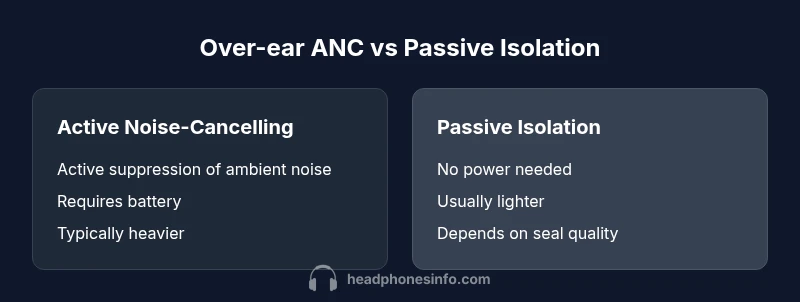
| Feature | Active Noise-Cancelling over-ear headphones | Passive isolation headphones |
|---|---|---|
| Noise reduction | High with ANC on | Moderate to high with passive isolation |
| Weight / Comfort | Medium-Heavy | Light to medium |
| Power requirement | Battery needed | No battery |
| Price range | $80-350 | $20-150 |
| Best for | Strongest quiet in loud environments | Lightweight wearers or budget-conscious users |
Upsides
- Strongest noise reduction with ANC when used correctly
- Good long-term comfort with cushioned earpads
- Ambient/Transparency mode aids situational awareness
- Versatile across environments (home, classroom, travel)
- Wide device compatibility and replaceable parts
Disadvantages
- Requires charging or battery management
- Heavier headsets can cause fatigue over long wear
- Some models may cause heat buildup around ears
- Passive isolation may be insufficient in very loud spaces without ANC
Active ANC headphones generally provide better overall noise reduction and flexibility, but passive isolation can be a better fit for lightweight wearers or budget-conscious users.
Choose ANC for the strongest quiet and versatility. Opt for passive isolation if you prioritize lightness, simplicity, and cost, and you still need effective isolation in calmer environments.
People Also Ask
What is the most important feature when choosing noise reduction headphones for autism?
Comfort and fit are crucial, as they determine whether noise reduction helps or adds stress. Also assess ambient mode for safety in busy environments. A balance of comfort and performance yields the best long-term usability.
Comfort and fit are the top concerns; look for gentle pressure and soft cushions, plus ambient mode for safety.
Are ANC headphones safe for children or long listening sessions?
Yes, when used with safe listening practices and appropriate volume limits. Check for a built-in volume limiter and avoid prolonged listening at high levels. Supervise use in younger children and provide breaks as needed.
ANC is generally safe if you limit volume and give regular breaks.
What is the difference between ANC and passive isolation?
ANC actively reduces noise using electronic processing, while passive isolation relies on physical sealing and padding. ANC is more effective for variable noise, but passive methods can be lighter and simpler.
ANC uses electronics to cancel sound; passive isolation blocks sound with materials.
How should I test headphones before buying?
Try models with similar head sizes and wearing styles. Assess comfort, seal, and how the device feels at your typical listening volume. If possible, test both ANC on and off to feel the difference.
Test comfort and seal in stores or with generous return policies.
What about battery life and charging?
For wireless models, check estimated battery life under typical usage. Consider charging convenience and the option of wired use if battery drain is a concern. Balance needs with daily wear time.
Battery life matters; plan for charging and consider wired use as a backup.
Can these headphones help with sleep?
Yes, many users find noise-reduction headphones helpful for sleep, especially when paired with calming audio. Choose models with comfortable wear for longer periods and low heat buildup.
They can help with sleep if you choose comfortable designs and safe listening levels.
What to Remember
- Prioritize comfort before chasing max noise reduction
- Test fit with typical wear scenarios
- Consider ambient mode for safety and awareness
- Balance battery life with daily usage needs
- Choose the option that fits environment and routine