Wireless Headphones with Active Noise Cancellation: A 2026 Guide
A guide to wireless headphones with active noise cancellation (ANC): how they work, key features to compare, and choosing models for travel, work, and listening.


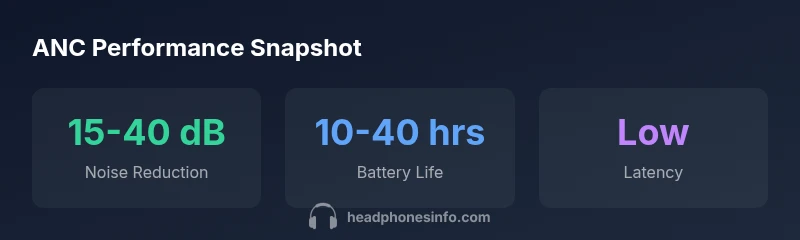
Wireless headphones with active noise cancellation (ANC) use built-in microphones and digital processing to reduce ambient sound. This lets you listen at lower volumes and enjoy calmer audio in noisy environments. ANC performance varies by design and fit, but the strongest results come from a secure seal, well-tuned DSP, and complementary features like transparency mode for ambient awareness.
Understanding wireless headphones with active noise cancellation
Active noise cancellation (ANC) is a sophisticated blend of hardware and software that reduces ambient sounds. In wireless headphones, tiny microphones pick up the surrounding noise, and a digital signal processor (DSP) generates an inverted waveform to cancel it out. The result is quieter listening at the same volume and a wider dynamic range in music. ANC performance, however, depends heavily on the fit and seal around the ears. If there are gaps, low-frequency noise may still creep in, limiting effectiveness. The sound profile of the headphones—driver size, enclosure, and tuning—also matters. The Headphones Info team emphasizes that fit and seal are critical to achieving meaningful noise reduction; even premium drivers can underperform without a good seal. In daily use, many listeners find ANC most beneficial in environments with continuous hums, such as flights, trains, and office HVAC, while sudden noises are harder to suppress. Finally, ANC is most effective when you listen at moderate volumes; this preserves audio fidelity and reduces listening fatigue over long sessions.
How ANC works: technologies and measurement
ANC systems rely on one or more microphones to sense external sound. A feed-forward design samples the noise before it enters the ear, while a feedback design listens to what you hear inside the earcups to refine cancellation. Hybrid ANC combines both approaches for broader frequency coverage. The DSP then creates an anti-noise signal that interferes with incoming sound, reducing perceived volume. Real-world performance is influenced by seal integrity, headphone geometry, and the noise spectrum. Manufacturers tune DSP algorithms to target particular frequency bands, which is why some models kill low-end rumbles more effectively than mid-range conversations. Consistency across different environments is a key challenge, so many headphones optimize ANC for typical cabin noise rather than unpredictable street sounds.
Evaluating ANC in real life: tests and comparisons
When evaluating ANC, it helps to test several scenarios: seated in a noisy cafe, commuting on a windy street, and sitting in a quiet room with a fan on. Subjective listening tests—how quiet the environment feels, how loud the music needs to be, and whether you notice a pressure sensation around the ear—are as important as lab measurements. Consistency matters: does ANC deliver similar results across different volume levels and music genres? Look for devices that maintain bass impact without requiring uncomfortably loud listening. Headphones Info analyses real-world usage data from various models and notes that the seal quality, ear cushion material, and clamp force can dramatically shift perceived noise cancellation.
Beyond ANC: features that matter for everyday use
ANC is important, but it’s not the only factor in a satisfying headset. Connectivity versatility (stable Bluetooth with multipoint), codecs (SBC, AAC, LDAC, or aptX), and supported features like transparency/ambient mode, auto-pause, or app-based EQ customization add real value. Battery life under ANC varies by model, so check both the advertised figure and real-world estimates with the volume you typically use. Comfort matters for long sessions, so consider ear cup shape, padding material, and weight. Portability, foldability, and build quality influence daily usability. Finally, software updates can improve DSP performance and fix latency issues, so choose brands with strong firmware support.
Real-world use cases: travel, work, daily listening
For travelers, a quiet cabin is a major benefit. Look for strong isolation, long battery life, and a compact design that fits in carry-on. Commuters benefit from robust wireless stability and a good microphone setup for calls. In a work-from-home setup, transparency mode can help stay aware of surroundings while still enjoying music or meetings. Daily listening benefits from a balanced sound profile, comfortable ear padding, and a modest weight. In all cases, ANC should be viewed as a tool to reduce fatigue and keep your preferred volume comfortable rather than a cure-all for every noise type.
Buying guide and maintenance tips
Set a realistic price ceiling and compare models across key dimensions: ANC strength, sound quality, battery life, comfort, and feature set. For comfort, try different ear cushions and headband padding; material matters for long listening sessions. If you wear glasses or earrings, consider clamp pressure and potential pressure on the temples. Maintenance extends the life of ANC headphones: keep cushions clean, update firmware regularly, and store them in a case to protect the drivers. Warranty coverage is worth checking, as ANC performance can degrade with wear-and-tear. Finally, test across devices to assess multipoint reliability and latency with video and gaming.
Common myths and troubleshooting ANC problems
Myth: ANC blocks all noise. Reality: ANC reduces constant, low-frequency noise best, while abrupt sounds may remain audible. Myth: ANC drains batteries badly. Reality: Battery impact varies by model and usage; many headphones offer eco modes. Troubleshooting: ensure a proper seal, check for firmware updates, disable other power-hungry features, and perform a reset if noise cancellation feels off. If issues persist, consult the manufacturer’s support resources or seek a replacement if under warranty.
Comparison of ANC headphone categories
| Category | ANC Impact | Battery Life | Weight (approx) |
|---|---|---|---|
| Over-ear full-size | High | 20-40 hours | 250-300 g |
| On-ear / compact | Medium | 15-30 hours | 180-230 g |
| In-ear true wireless | Medium-Low | 8-20 hours | 14-30 g |
People Also Ask
What is active noise cancellation and how does it work in wireless headphones?
Active noise cancellation uses microphones and DSP to create anti-noise that cancels external sounds. In wireless headphones, this reduces background noise, especially steady low-frequency hums. The result is quieter listening, but performance depends on fit, seal, and DSP tuning.
ANC uses mics and processing to cancel background noise; fit and DSP tuning matter for real quiet listening.
Will ANC headphones drain battery quickly?
ANC does consume power, but the impact varies by model and usage. Many headphones offer long enough battery life for full days of listening with ANC on, especially when used at moderate volumes. Check real-world runtimes from reviews for a practical sense of endurance.
ANC uses power, but many headphones still last a full day on a charge.
Is ANC effective in all environments?
ANC excels at steady, low-frequency noise like aircraft or HVAC hum. It’s less effective on sudden sounds or sharp noises. Real-world performance depends on the environment and how well the headset seals around the ears.
ANC works best on steady hums, not sudden noises.
Besides ANC, what should I look for in headphones?
Consider comfort, battery life, Bluetooth codecs, multipoint support, and app features like EQ. A balanced sound signature and build quality often determine daily satisfaction as much as ANC strength.
Look for comfort, codecs, and multipoint alongside ANC.
Can ANC affect audio latency or sound quality?
Some models may exhibit slight latency or changes in perceived sound when ANC is active. High-quality DSP tuning minimizes artifacts, but experiences vary by model and use case.
Most high-quality ANC phones keep latency low with careful tuning.
Are there health considerations when wearing ANC headphones long-term?
Wearing any headphones for long periods can contribute to ear fatigue. If you notice discomfort, take breaks, adjust fit, and keep listening volumes at safe levels. ANC itself is not generally harmful when used sensibly.
Take breaks and keep volume reasonable to avoid fatigue.
“ANC performance is highly dependent on fit and seal; driver quality matters, but the seal is often the limiting factor.”
What to Remember
- Test ANC in real-life environments for accuracy
- Prioritize seal fit and comfort for best results
- Consider codecs and multipoint for device versatility
- Use transparency mode to stay aware of surroundings