How is a Headphones Used? A Practical Guide
A practical guide explaining how headphones are used across devices, with setup tips, fit adjustments, care, and troubleshooting to help you get the best sound.


This quick answer explains how is a headphones used and what it typically involves across common listening contexts. It covers connecting to devices, choosing wired or wireless options, adjusting fit for comfort, and basic care to maximize performance. Whether at home, commuting, or at work, you’ll learn the essentials for reliable listening.
Understanding headphones: types and interfaces
When people ask how is a headphones used, they quickly realize there are many styles and interfaces to consider. Headphones come in over-ear, on-ear, and in-ear designs, each with distinct sound signatures and comfort profiles. The interface matters too: wired connections via a 3.5 mm jack or USB-C/Lightning adapters, and wireless options using Bluetooth. Understanding these basics helps you choose headphones that suit your listening context—home cinema, office calls, or active workouts. For audio enthusiasts, the driver type (dynamic, planar magnet, or balanced armature) and impedance influence efficiency and tone. The key is matching the headphone’s capabilities to your source device and listening goals, while keeping comfort in mind for longer sessions.
According to Headphones Info, understanding usage contexts starts with recognizing common use cases and listener environments. The Headphones Info team emphasizes that fit, seal, and ergonomics can dramatically affect perceived bass, imaging, and detail without changing the electronics themselves.
format
Tools & Materials
- Headphones(Any model you plan to use, whether wired or wireless)
- Audio source device(Phone, tablet, laptop, or audio interface)
- Wired connection cable (3.5mm or USB-C/Lightning)(Use if your device supports a wired jack)
- Bluetooth-enabled device(Necessary for wireless pairing if not already built-in)
- Charging cable / dock(Required for wireless headphones to maintain power)
- Headphone stand or case(Keeps headphones protected between uses)
- Cleaning cloth(Soft microfiber to wipe surfaces and earpads)
- Adapter or splitter (optional)(Useful when sharing audio or using multiple sources)
Steps
Estimated time: 15-25 minutes
- 1
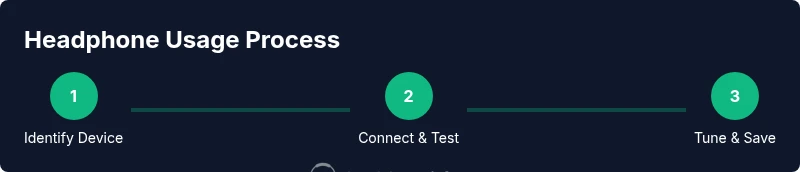
Identify listening context and device
Decide where you’ll listen (home, commuting, gym) and which device you’ll use as the audio source. This determines wired vs. wireless, and what ports you’ll need. A clear goal helps reduce Setup friction.
Tip: Write down the primary device and environment to avoid swapping cables at the last minute. - 2
Power on both devices
Turn on the headphones and the source device. If wireless, ensure Bluetooth is enabled and the headphones are in pairing mode; if wired, skip to plugging the cable.
Tip: For Bluetooth, make the source discoverable and remember recently connected devices to speed up pairing. - 3
Connect via wired or wireless
Plug in the cable for wired listening or initiate Bluetooth pairing for wireless use. Confirm the pairing code if prompted on older devices.
Tip: If you experience dropouts, try re-pairing or moving closer to the source to reduce interference. - 4
Adjust fit and seal
Position the earpads so they fully enclose your ears for passive noise isolation. Adjust headband tension for a secure but comfortable fit.
Tip: A proper seal improves perceived bass and reduces listener fatigue during long sessions. - 5
Test with a familiar track
Play a track you know well to judge bass, mids, and treble balance. Use the headphone’s controls for quick tweaks, if available.
Tip: Keep volume at a safe level and avoid sudden loud passages that could startle you. - 6
Tune settings if available
Many headphones offer built-in apps or EQ presets. Apply appropriate tonal profiles for genres you listen to frequently and adjust based on environment.
Tip: Use a mild curve first; overly aggressive EQ can mask natural characteristics. - 7
Maintain battery and charging
If wireless, monitor battery life and charge according to usage patterns. Avoid letting the battery fully deplete regularly.
Tip: Charge with the original cable when possible to preserve battery health. - 8
Store and protect
When not in use, store headphones in a case or on a stand to prevent creases in cushions and avoid accidental damage.
Tip: Keep away from moisture and extreme temperatures to prolong material life.
People Also Ask
How do I connect wired headphones to a phone that has no headphone jack?
Use a compatible USB-C or Lightning adapter, then connect the wired headphone cable. Some devices also support USB-C DAC adapters for better audio on digital ports.
Use a compatible adapter to connect your wired headphones to devices without a jack. Then test with a song to confirm sound.
Do all wireless headphones need charging before use?
Most wireless headphones require charging before first use and for continued use. Check the manual for recommended charging cycles to maximize battery life.
Yes, most wireless headphones need charging before use and to keep functioning. Check the manual for best charging practices.
Can I use noise-cancelling features while wired?
Yes, if the headphones have active noise cancellation (ANC) hardware, many models allow ANC to be used in wired mode as well as wireless.
If the headphones have ANC, you can often use it in wired mode too.
What indicates a proper headphone fit?
A good fit feels secure without pressure, the cushions seal around the ears, and you don’t experience discomfort after moderate use.
A proper fit should feel secure and comfortable, with a good seal around the ears.
How important is microphone quality on headphones?
Microphone quality matters for calls and gaming. If you rely on calls, look for headphones with a clear mic and good wind noise suppression.
If you make calls often, choose headphones with a clear mic and good wind noise suppression.
What maintenance tips help extend headphone life?
Regular cleaning, proper storage, and avoiding over-exposure to heat extend life. Replace cushions when worn to maintain comfort and sound.
Clean regularly, store properly, and replace worn cushions to keep comfort and sound quality.
Watch Video
What to Remember
- Identify context first to choose wired vs. wireless.
- Achieve a proper seal for best sound and comfort.
- Test with familiar audio and adjust carefully.
- Maintain battery health and proper storage.