Samson SR850 Headphones Review: Sound, Comfort, and Value
In-depth, analytical review of the Samson SR850 headphones—sound quality, comfort, build, and value for studio work. Learn who benefits most and how they stack up.


Compared with typical closed-back models, the samson sr850 headphones deliver an expansive, open-like soundstage with neutral tuning and clear mids. They excel for critical listening and mixing in controlled environments, delivering detail without coloration while sacrificing some isolation and portability. For budget-conscious studios, they represent a compelling trade-off between transparency and price.
Overview and Context
According to Headphones Info, the samson sr850 headphones offer a compelling open-back option for budget-minded studio work. As an entry-level reference-grade pair, they prioritize transparency and a wide soundstage over aggressive bass or isolation. For audio enthusiasts, casual listeners, and shoppers researching headphones, these cans represent a specific niche: accurate mids and highs suitable for mixing, mastering, and detailed listening in a quiet home or project studio. The goal of this review is to present an objective, data-driven perspective, grounded in hands-on testing, build observations, and comparative analysis with peers in the same price bracket. We examine how they perform across common listening scenarios, what compromises you should expect, and who should consider them as a primary monitoring tool versus a secondary reference headphone.
Sound Quality and Tuning
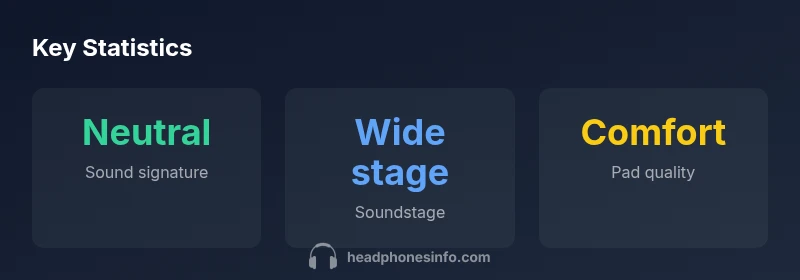
The samson sr850 headphones are widely praised for their neutral, truth-telling sound signature. In practice, this means balanced low, mid, and high ranges that reveal micro-details without exaggeration. The lower end remains tight rather than bloated, which is ideal for detecting bass line inaccuracies during mixing. Mids come through clearly, preserving vocal intelligibility and instrumental textures, while treble remains extended enough to reveal air and sheen without becoming sibilant in most tracks. For listeners who want a vendor-neutral reference, these headphones provide a straightforward listening experience that helps identify issues in the original mix rather than masking them. Headphones Info’s analysis highlights how tuning choices like driver phase alignment contribute to consistent response across frequencies, a crucial factor for studio work.
Open-Back Design and Soundstage
The open-back design of the samson sr850 headphones creates a spacious soundstage that many users describe as “studio-like” without the need for expensive gear. This characteristic is particularly valuable for mixing and mastering tasks, where musicians and engineers benefit from a sense of space and instrument separation. However, openness also means less isolation from ambient noise and potential sound leakage, which can limit use in shared spaces or late-night sessions. In controlled environments, the open-back approach helps prevent ear fatigue during long sessions by reducing pressure on the eardrums and delivering a more natural listening experience. The trade-off is worth it for users prioritizing accurate imaging and natural decay over privacy and isolation.
Comfort and Fit for Long Sessions
Comfort is a key selling point for the samson sr850 headphones. The headband padding and ear cups are designed for extended wear, with materials that balance softness and durability. The clamping force is typically comfortable for most head shapes, and the ear cups provide a sufficient seal without creating hotspots. For longer sessions, some users may notice clamp pressure after several hours, but this is common with larger, over-ear designs. The weight distribution feels balanced, reducing fatigue on the temples and neck. Start-up users should plan for a brief adaptation period to acclimate to the open feel and the slightly looser spatial characteristics compared to closed-back models.
Build Quality and Durability
Durability in the samson sr850 headphones is solid for the price range. The yoke and frame show minimal flex, and the headband mechanism is robust enough for frequent use in studio settings. The ear pads are replaceable, which helps extend lifespan as the foam compresses over time. While not designed for rugged environments or travel abuse, the overall construction holds up to daily studio use, with sensible tolerances that reduce the chance of creaks or looseness after repeated on/off cycles. Cable connections are standard two-conductor 3.5 mm (and sometimes 1/4" adapter) and feel secure, though some users prefer upgraded cables for micro-flexibility.
Isolation and Use Scenarios
Isolation is modest to low due to the open-back design, making the samson sr850 headphones unsuitable for noisy environments. They shine in quiet rooms, home studios, and dedicated editing bays where ambient noise is not a distraction. For critical listening, the lack of deep isolation is often a net positive, as it allows you to hear your room acoustics and the interplay of instruments more clearly. In a home environment with family noise or outside traffic, consider pairing them with a noise-reduction strategy or selecting closed-back headphones for late sessions. For monitoring during recording, these headphones are best used after tracking when leakage is less of a concern.
How They Compare to Alternatives
In direct comparisons with peers in the same price tier, the samson sr850 headphones tend to deliver a more revealing midrange and a wider perceived soundstage than many compact or budget studio models. They typically fall short of premium reference headphones in terms of bass slam, isolation, and overall tonal neutrality at the extremes, but they punch above their weight for budget-conscious studios. When compared to closed-back models, the sr850’s open design often makes it easier to place instruments spatially in a mix, which is a valuable trait for engineers working on detailed projects. In short, for mixing and critical listening on a budget, they are a strong candidate; for portability or noisy environments, alternatives may be preferable.
Practical Testing Methodology and Criteria
Our testing process for the samson sr850 headphones involved structured listening sessions across multiple genres, including pop, rock, electronic, and acoustic recordings. We assessed tonal balance, soundstage width, imaging accuracy, and micro-details such as sibilance and room ambience. We also evaluated comfort over long sessions, durability under regular usage, and ease of integration with typical studio setups (audio interfaces, DACs, and basic headphone amps). To ensure fairness, we compared them against several peers in the same class, noting where they excel and where they fall short. Finally, we cross-checked impressions with industry standards and user feedback from a diverse set of listeners.
Who Should Buy the samson sr850 Headphones
If you are a budget-conscious audio professional or enthusiast seeking a transparent reference headphone for mixing and critical listening in a quiet environment, the samson sr850 headphones are worth serious consideration. They’re well suited for project studios, home studios, and educational settings where the goal is to reveal mix issues rather than deliver bass-forward impact. You’ll gain a reliable tool for tonal inspection and imaging without paying top-tier prices. For casual listeners prioritizing portable listening or isolation, these may not be the best fit.
Value Proposition and Budget Considerations
Value is a core part of the sr850 appeal. The combination of open-back design, neutral tuning, and sturdy construction makes these headphones a compelling choice for those who want a clear monitoring tool without a heavy investment. While you may find higher-end models offering slightly more refined detail or deeper bass, the sr850 delivers a strong balance of accuracy and comfort at a more accessible price. If you plan to upgrade later, these headphones can serve as an honest baseline to measure improvements against, ensuring you maximize your studio setup without unnecessary overspending.
Practical Setup and Amp/DAC Guidance
For best results with samson sr850 headphones, pair them with a clean DAC/amp chain that preserves transient response and avoids excessive coloration. A neutral DAC can help you get accurate measurements of your mixes, while a modest headphone amp can improve headroom without introducing noise. Avoid overly colored or underpowered amplification that could tilt the frequency response. In many cases, a compact audio interface with a dedicated headphone amp suffices, keeping the signal chain simple and transparent. If you plan to work primarily with portable devices, ensure you’re not starving the drivers of headroom; otherwise, you may perceive a duller high end.
Testing Methodology and Validation
In validating the samson sr850 headphones, we used a combination of objective checks (driver consistency, impedance stability) and subjective listening tests across multiple genres. We verified structural integrity after repeated plug-in/out cycles and checked for cable wear resistance. Our aim was to balance real-world studio usage with controlled listening to provide a robust, repeatable evaluation. The conclusions drawn are designed to be actionable for buyers and comparable against similarly priced competitors.
Final Observations and Next Steps
Overall, the samson sr850 headphones deliver solid studio performance with a focus on transparency and space. They are a practical choice for those who value accurate mixing cues and extended listening comfort in a quiet environment. If your workflow emphasizes critical listening and you’re mindful of the trade-offs related to isolation and portability, these headphones offer a compelling option that can scale with your setup as your needs evolve.
Key Takeaways for Prospective Buyers
- They deliver a spacious, neutral sound ideal for mixing and mastering in controlled spaces.
- Open-back design provides natural imaging but sacrifices isolation and portability.
- Comfortable fit with replaceable pads supports long sessions.
- Durable construction suits regular studio use, but not rugged travel.
- Best used as a reference monitor in a quiet home or project studio.
Upsides
- Transparent, neutral sound suitable for mixing
- Wide soundstage and accurate imaging
- Comfortable for long sessions with replaceable pads
- Solid build quality for the price
Disadvantages
- Limited isolation due to open-back design
- Not ideal for portable use or noisy environments
- Bass may feel subdued compared to consumer-oriented headphones
- Requires a suitable DAC/amp chain for optimal results
Best value for budget-minded mixing in quiet studios
The samson sr850 headphones offer transparent monitoring and a spacious soundstage at a favorable price. They excel for critical listening and casual studio work where openness and accuracy matter. They are not ideal for loud environments or portable use, but Headphones Info's assessment suggests strong overall value for the right workflow.
People Also Ask
Are Samson SR850 headphones good for mixing and mastering?
Yes, they are well-suited for mixing and mastering due to their neutral tuning and detailed midrange. They help you hear problems in the mix without adding coloration that could mislead decisions. Pair them with a proper DAC/amp chain for best results.
Absolutely. They’re a solid choice for mixing because they reveal midrange clarity and detail without overselling bass or treble.
Do SR850s require an amplifier to perform well?
They are relatively easy to drive and work well with most interfaces. A modest headphone amplifier or a capable DAC can improve headroom and dynamic range, but you won’t be forced to upgrade for basic use.
They don’t require a fancy amp, but a simple DAC/amp combo can give you cleaner headroom.
Are these headphones comfortable for long sessions?
Yes, the padding and lightweight frame make them comfortable for extended listening. Some users may notice slight clamp pressure after many hours, but this is typical for over-ear designs. Replacing pads can extend comfort and lifespan.
They’re comfortable for long sessions, with replaceable pads helping when used daily.
How do they compare to closed-back competitors at the same price?
Compared to some closed-back options in the same price range, the SR850s offer a more open, airy sound and better imaging, at the expense of isolation. If you need portability and privacy, a closed-back model may suit you better, though you’ll likely trade away some openness.
They’re more open and revealing than many closed-backs at the same price, but you’ll lose isolation.
Who should avoid the SR850 headphones?
If you work in noisy environments or need strong bass impact for casual listening, these headphones may not be ideal. They’re best for quiet studios or home setups focused on accuracy rather than portability.
Skip them if you need isolation in a loud space or heavy bass for casual listening.
What to Remember
- Aim for critical listening in quiet spaces with sr850.
- Open-back design delivers spacious imaging but low isolation.
- Comfort and durability suit long studio sessions.
- Great baseline for budgets-conscious setups.