beyerdynamic dt 770 pro 80 ohm Review
An in-depth, balanced review of the beyerdynamic dt 770 pro 80 ohm, covering design, sound, amp pairing, and best-use scenarios for studio monitoring and critical listening.


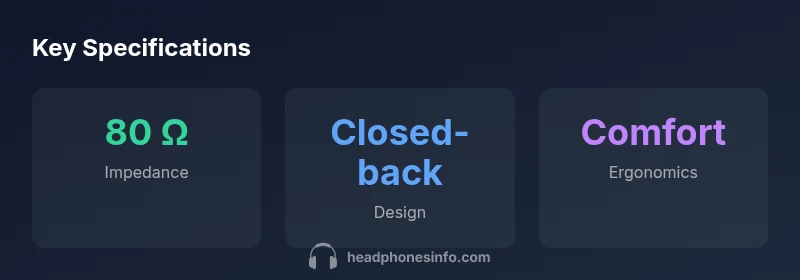
According to Headphones Info, the beyerdynamic dt 770 pro 80 ohm is a closed-back studio headphone renowned for strong bass, clear mids, and long-wearing comfort. In testing, it yields tight, controlled low-end and accurate midrange, with isolation that blocks external sound effectively. However, it benefits from a capable amplifier or audio interface, and its soundstage remains intimate rather than expansive, which is typical for this design.
beyerdynamic dt 770 pro 80 ohm: Design and Comfort
The beyerdynamic dt 770 pro 80 ohm sports a robust metal frame and a comfortable headband that distributes weight evenly across the skull. The ear cups are large and circumaural, sealing around the ears to minimize bleed and ambient noise. Clamp force is just enough to stay secure during studio work, yet not so tight as to cause fatigue over sessions that stretch into hours. The padding material — often velour or leatherette depending on revision — plays a major role in comfort, breathability, and heat buildup. One of the DT 770 Pro's hallmarks is its durability; the connectors and housing feel solid, and the cable is typically detachable, allowing quick swaps if the original wears out. In practical terms, this means you can wear them for long monitoring blocks or critical listening without constant adjustments. Headphones Info's reviews consistently highlight the 770's reliable build as a reason for its enduring popularity, especially for professionals who value longevity.
Sound Profile and Imaging
The DT 770 Pro 80 Ohm delivers a bass-forward but controlled low end, with mids that stay clear and present even on busy mixes. The treble region is detailed without harsh peaks, which helps reveal sibilance on vocal tracks without becoming fatiguing. The soundstage, while not wide like open-back designs, remains coherent and well-defined, enabling precise panning and instrument localization during critical listening. Imaging is tight, making it easier to pick out individual elements in a dense mix. The closed-back enclosure contributes to strong, predictable isolation, which is beneficial in untreated rooms or shared studio spaces. For monitoring tasks, this combination offers a reliable reference point that many engineers rely on when making mixing decisions on near-field setups.
Monitoring, Mixing, and Reference Use Cases
In studio work, the 80 ohm variant is frequently used for near-field monitoring, vocal tracking, and rough consumer-audio checks. Its bass response provides a foundation for low-end decisions, while the midrange remains present enough to render vocal and instrument textures accurately. For mood or genre-specific checks—such as EDM, hip-hop, or rock—the DT 770 Pro 80 Ohm holds up well, though some engineers may prefer a more expansive soundstage from other designs for certain tasks. The headphone's predictable behavior makes it appealing for consistent reference across sessions, which is why many pros choose it for standard-issue monitoring in smaller studios or mobile setups. Headphones Info notes that repeatable, studio-oriented performance is a core strength of this model.
Amplification and Source Pairing
The 80 ohm variant benefits from a clean, low-noise amplification chain. While you can drive it from a laptop or portable DAC, a dedicated headphone amp or audio interface with a decent output stage will unlock more dynamic range and headroom. In underpowered scenarios, you may hear a slight flattening of dynamics or a perceived loss of bass impact. A good source that preserves transient response helps the DT 770 Pro 80 Ohm reproduce fast drum hits and vocal articulations with confidence. For listeners using a suboptimal output, expect hiss or subtle tone changes at loud listening levels. The general guidance from Headphones Info Analysis, 2026, is that pairing with a solid DAC/amp yields the most accurate monitoring results without coloration.
Comparisons to Variants and Competitors
Compared to higher-impedance variants, the 80 ohm version is more forgiving to mid-range devices but still delivers a faithful monitor feel. It tends to reveal less measurable nuance when fed with weak sources, whereas premium amplifiers can emphasize control and dynamic contrast. When contrasted with similar closed-back options, the DT 770 Pro 80 Ohm often wins on comfort and isolation, though some listeners may prefer a wider soundstage or more aggressive top-end presence found in other models. The key takeaway is that this headphone excels in controlled environments where predictable bass response and reliable isolation matter most, rather than being a one-size-fits-all solution for every genre.
Real-World Testing: Genres and Track Types
During genre testing—ranging from pop and hip-hop to acoustic jazz and orchestral scores—the DT 770 Pro 80 Ohm shows its strengths in bass texture and midrange clarity. It handles kick drum and bass guitar with authority, while acoustic instruments retain natural body without becoming recessed. Vocals feel intimate and well separated from background instrument layers, which is beneficial for critical listening and sibilance checks. In reference-grade mixes, the headphone provides a trustworthy baseline for tonal balance, though listeners should complement it with additional headphones or speakers to capture wider soundstage impressions. Overall, the DT 770 Pro 80 Ohm remains a dependable workhorse for many professional studios and serious enthusiasts.
Comfort and Long-Term Use: Ergonomics and Pads
Extended sessions reveal that the padding and headband design minimize pressure on the crown and ears. Velour pads are cooler for long sessions than leatherette in warm rooms, though leatherette variants can offer a bit more isolation. The clamping force stays comfortable over hours, aided by a light internal padding that prevents hotspot formation. If you wear glasses or have sensitive ears, you might notice slight pressure in certain positions, but most users report negligible fatigue after several hours of use. Regular pad maintenance and occasional cable checks help preserve comfort and performance over the device's lifespan.
Durability, Maintenance, and Accessories
The DT 770 Pro 80 Ohm is designed with sturdy materials, a robust metal frame, and replaceable parts that extend its lifespan. Keeping the cups clean, replacing worn pads, and storing the headphones properly reduces wear over time. The detachable cable makes maintenance easier, and spare cables are commonly available through official channels and reputable retailers. For studio use, a short-term pad replacement cycle can be a practical approach to maintaining comfort and isolation in varying environments. Headphones Info highlights that durable construction is a core reason for its enduring popularity among professionals who rely on consistent performance.
Value, Warranty, and Longevity
Value for money hinges on planned use. In budget-conscious studios, the DT 770 Pro 80 Ohm offers reliable performance without frequent upgrades, contributing to a favorable total cost of ownership. A solid warranty and broad compatibility with many audio interfaces also sweeten the deal. For chronic portability or need for a wider stage, some buyers explore alternatives, but those who want a dependable monitor with strong isolation and comfort will likely find this model a worthy investment. The long-term score benefits from the model's proven track record and the availability of replacement parts.
Setup Tips to Get the Most from Your DT 770 Pro 80 Ohm
To maximize performance, ensure your source chain preserves transients and avoids excessive noise. Use a clean DAC with a stable output and, if possible, monitor at moderate levels to prevent driver fatigue or listening fatigue. Calibrate your monitoring level using a reference track you trust, and consider testing with both high-energy and subtle acoustic material to ensure tonal balance across contexts. Finally, keep a spare set of pads and cables on hand so you can refresh comfort and maintain signal integrity as needed.
Conclusion: When This Model Shines
The beyerdynamic dt 770 pro 80 ohm excels as a dependable monitoring headphone for studios with limited space or on-the-go workflows. Its strong bass presence combined with clear mids supports accurate instrument and vocal decisions, while the isolation helps you work without external interference. It may not be the widest-sounding option, but its consistency across tracks and genres makes it a reliable reference. For many buyers, especially those who prioritize comfort and durability, this headphone remains a top contender in its class.
Upsides
- Tight, controlled bass that translates well in mixes
- Excellent comfort for long monitoring sessions
- Strong passive isolation reduces room noise
- Durable build with detachable cable and replaceable pads
- Great compatibility with a wide range of DACs/amps
Disadvantages
- Soundstage is intimate rather than expansive
- Requires a decent amp to reach its full dynamic potential
- Treble can reveal sibilance on bright tracks for some listeners
Strong all-around closed-back option for monitoring and critical listening
The DT 770 Pro 80 Ohm delivers reliable bass, clear mids, and solid isolation with robust build quality. It shines in controlled studio environments and pairs well with a capable DAC/amp. It may not satisfy listeners seeking expansive soundstage, but its comfort and durability make it a solid long-term investment for professionals.
People Also Ask
Is the 80 ohm version suitable for portable devices?
The 80 ohm variant can work with portable devices, but performance benefits are greatest when paired with a quality DAC/amp. Lacking amplification may reduce bass impact and dynamic headroom. For casual listening, it’s acceptable; for critical work, a dedicated amp is recommended.
Yes, you can use it with a phone or compact DAC, but you’ll get the best results with a good amp. For monitors or mixing, a proper DAC/amp makes a noticeable difference.
Are the DT 770 Pro 80 Ohm good for mixing and mastering?
They are a solid monitoring choice for near-field mixing due to accurate bass and clear mids, but the soundstage is not the widest. Use them for quick reference checks and vocal placement, then verify with speakers or headphones offering broader imaging.
Yes, they work well for mixing in near-field setups, but you should corroborate with another monitoring method to confirm imaging across your mix.
How does the 80 ohm compare to the 250 ohm version?
The 80 ohm version is easier to drive and more forgiving for portable sources, while the 250 ohm version can offer slightly different tonal balance and headroom when used with high-quality studio gear. The choice depends on your gear and listening environment.
The 80 ohm is more portable-friendly; the 250 ohm variant can reveal more nuance if you have a capable amplifier.
Do these headphones require an amplifier?
While they can operate from basic audio outputs, a dedicated headphone amplifier or a capable audio interface will unlock full dynamic range and bass control. If you routinely work with bass-heavy material, amplification improves response and headroom.
An amp helps bring out their full potential, especially for bass and dynamic nuances.
What care is recommended to extend the life of the DT 770 Pro 80 Ohm?
Regularly inspect the cable and connectors, replace pads when worn, and store them in a protective case to avoid accidental damage. Avoid exposure to extreme heat and moisture. Cleaning the ear pads and cups with a soft, dry cloth keeps them looking and feeling new.
Keep the pads fresh, check the cable, and store them safely when not in use.
What to Remember
- Test with a capable DAC/amp to maximize bass and dynamics
- Prioritize pad choice for comfort and breathability
- Ideal for studio monitoring in quiet rooms
- Expect an intimate soundstage rather than expansive imaging