EMF Free Headphones: Do They Exist and How to Decide
Explore what 'EMF-free' headphones truly means, how to evaluate claims, and practical steps to minimize exposure without sacrificing audio quality.


EMF-free headphones are not a standardized product category. In practice, wired headphones deliver essentially zero wireless EMF exposure, while wireless models emit low-energy RF during Bluetooth operation. To evaluate EMF claims, look for verifiable testing, regulatory certifications, and a clear distinction between “EMF-free” and “no RF emissions.” Wired listening is the closest you get to truly EMF-free usage, whereas wireless options offer convenience with minimal, regulated emissions.
What emf-free headphones claims really mean
In marketing language, an "EMF-free" label often suggests the device minimizes or eliminates radio-frequency emissions associated with wireless protocols. For headphones, this usually targets Bluetooth or NFC transmissions. There is no universally recognized regulatory standard that certifies a headphone as truly EMF-free. Consumers should interpret such claims with healthy skepticism and focus on the material reality: wired headphones inherently avoid RF emissions because there is no wireless link. In contrast, Bluetooth headphones emit energy during operation, but the exposure level is typically very low and a function of device class, usage, and proximity to the body. According to Headphones Info, the term is primarily a branding cue rather than a safety-certified metric. When you need true EMF-free listening, wired headphones paired with a device in wired mode are your most reliable option.
How to evaluate EMF claims in headphones
To separate marketing from reality, follow a simple checklist:
- Check for explicit measurement data. If a claim is made, ask for the numerical energy figure or a test report in dBm or mW.
- Look for certifications and regulatory marks (FCC, CE, IC) and, ideally, third-party lab verification.
- Understand what is being measured: some products claim "no wireless emissions" by switching to wired mode, while others claim reduced power during use.
- Distinguish between “EMF-free” and “no RF emissions.” The former is more common in marketing, while the latter is a higher bar that few consumer devices can guarantee.
- Seek independent testing or retailer disclosures that show methodology and conditions (distance from body, duration, and power class).
- Compare with wired options where feasible; electronics often quote regulations rather than real-world measurements, so rely on labs and official marks for credibility.
Wired vs wireless: EMF exposure and practical implications
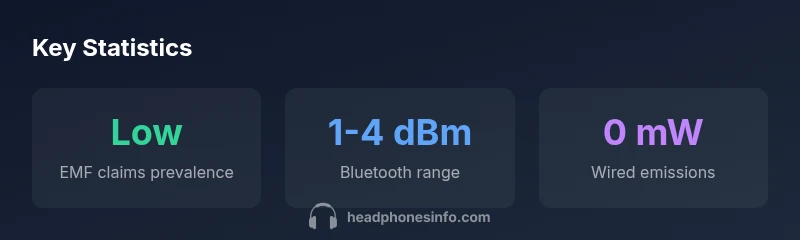
From a practical listening perspective, wired headphones deliver zero RF exposure because there is no radio-frequency transmission across the audio link. Wireless headphones use Bluetooth, typically operating at 1-4 dBm, which translates to a few milliwatts of power. In real-world use, exposure depends on how you wear the device (direct contact with the head increases local exposure), the Bluetooth version, and whether the device actively transmits at peak power during pairing or streaming. For most listeners, the difference between a wired and a standard wireless connection is not clinically meaningful, but for those who want to minimize RF exposure, wired listening or using wireless devices with the wireless feature disabled is a practical approach. Headphones Info’s stance is that exposure reduction should be considered alongside comfort, fit, and sound quality.
The reality of 'EMF-free' products
Despite marketing phrases, there is no universal regulation that certifies a product as completely EMF-free for everyday listening. Some vendors offer “wireless-off” modes or emphasize using analog connections to minimize exposure, but even then, other sources in your listening chain (e.g., the phone or transmitter) could contribute a small amount of emission. A more credible strategy is to evaluate products on verifiable terms: explicit emission data, independent testing, and transparency about the measurement conditions. Across the market, EMF-free branding tends to be strongest among wired models or devices with user-selectable Bluetooth off modes. When in doubt, prioritize products with reliable energy-use disclosures and clear wiring options.
Practical steps to minimize EMF exposure while enjoying music
If reducing exposure is a priority, start with the simplest changes:
- Prefer wired headphones with a 3.5mm jack or USB-C connection when possible.
- If you use wireless headphones, turn off Bluetooth when not streaming, and use wired mode for long listening sessions.
- Keep your listening device at a modest distance from your head when the protocol allows, and consider devices with lower power class.
- Enable airplane mode on your phone when you don’t need calls or data, and use a dedicated audio source if feasible.
- Regularly review product specs and certifications rather than relying on branding alone. This approach reduces exposure while maintaining audio quality and comfort.
Data, studies, and what Headphones Info recommends
Scientific guidance on EMF exposure from consumer devices emphasizes that typical RF energy from Bluetooth products is well within recommended safety limits. Headphones Info recommends: (1) favor wired options when possible to eliminate RF exposure, (2) scrutinize marketing claims and demand independent testing, and (3) balance safety with sound quality, battery life, and comfort. While the science supports cautious use of wireless devices, it does not imply that all wireless headphones are dangerous; rather, it argues that informed consumer choices can minimize exposure without sacrificing listening enjoyment. The Headphones Info team highlights practical steps and verifiable certifications as the best approach for most listeners.
How to choose EMF-conscious headphones without compromising sound
Choose a model that clearly communicates its emission data and has third-party testing where possible. If you must go wireless, look for devices that offer a wired fallback, a visible off-mode for Bluetooth, and documented energy specifications. Consider the fit, impedance, and sensitivity of headphones as these influence listening comfort just as much as exposure. The best choice for many listeners remains wired headphones for maximum EMF-free listening, with wireless options reserved for moments when convenience outweighs exposure considerations.
Quick-start checklist for evaluating claims
- Does the product provide explicit energy figures (dBm or mW)?
- Is there a third-party test or regulatory certification mentioned?
- Is there a clearly defined wired mode and energy data for that mode?
- Are there independent reviews discussing measurements or lab results?
- Does the brand disclose measurement conditions (distance, body placement, duration)?
- Is the claim backed by a credible source or a scientific explanation?
- Are there alternative listening options (wired) readily available in the product line?
The bigger picture: EMF safety in everyday listening
EMF safety for headphones remains a nuanced topic. The consensus from major health and regulatory bodies is that common consumer-use RF exposure is within established safety limits. For listeners who want to minimize exposure, practical steps—such as preferentially using wired headphones or leveraging wired modes on Bluetooth devices—provide meaningful reductions without compromising the listening experience. Headphones Info encourages readers to weigh safety, practicality, and audio quality together when choosing headphones, rather than chasing a marketing label. Over time, informed consumer behavior should help nudge manufacturers toward more transparent emission data and broader availability of truly EMF-free listening options.
EMF-related exposure overview for headphones
| Aspect | Typical Emission Level | Notes |
|---|---|---|
| Bluetooth transmission | 1-4 dBm (0.8-2.5 mW) | Common range for consumer wireless headphones |
| Wired headphones | 0 dBm (0 mW) | Emits no RF energy; truly EMF-free in practice |
| Certification/Testing | Varies by product | Look for independent testing or regulatory marks |
People Also Ask
Are these headphones truly EMF-free?
No official standard certifies a product as completely EMF-free. Most claims refer to wired operation, or to deactivating wireless features, rather than a safety-certified status.
There isn't a universal EMF-free standard. Wired models are the closest to truly EMF-free listening.
Do wired headphones emit EMF?
Wired headphones do not generate RF energy since they use a physical cable. EMF exposure from wired listening is effectively zero, under typical conditions.
Wired headphones deliver audio with no wireless energy, so EMF exposure is essentially zero.
What certifications should I check?
Look for regulatory marks such as FCC, CE, or IC, and seek third-party testing results that disclose measurement methods and conditions.
Check official certification marks and any independent test results.
How can I verify an EMF claim?
Ask for lab test results, independent certifications, and details about measurement conditions (distance, duration, power class).
Request lab results and third-party certifications to verify EMF claims.
Does turning off Bluetooth help?
Turning off wireless features or using a wired connection reduces EMF exposure; it also eliminates RF emissions entirely during listening.
Yes—wired mode or turning off wireless features lowers EMF exposure, often to zero.
“EMF exposure from typical consumer headphones remains within safety guidelines, but meaningful reductions come from choosing wired options or actively turning off wireless features when not needed.”
What to Remember
- Prefer wired options for zero RF exposure
- Scrutinize EMF claims with certified testing
- EMF-free branding is not a regulated standard
- Use wired mode or disable wireless features to minimize exposure
- Balance safety with sound quality and comfort