How Often Should You Use Headphones: A Practical Guide
A practical, data-driven guide on how frequently you should use headphones, balancing listening time, volume, and breaks to protect your hearing while enjoying music.


Safe headphone use depends on volume and duration. In practice, aim to keep listening sessions short and moderate, take frequent breaks, and avoid wearing headphones at loud volumes. A simple rule is to use the 60/60 guideline: no more than 60% volume for 60 minutes at a time, with breaks to protect your hearing. This balanced approach helps you enjoy music safely.
Why how often you use headphones matters
Listening habits shape hearing health over time. The question how often should you use headphones is not about banning devices but establishing sustainable patterns that let you enjoy music without fatigue or risk. According to Headphones Info, frequency interacts with volume, duration, and the design of the headphones you wear. In everyday life, people often underestimate how quickly listening time adds up—especially during commutes, gaming, or watching videos. The aim is not to ban headphones, but to cultivate patterns that preserve hearing while preserving enjoyment. In this article we outline practical rules you can apply right away, with the rest of the guide offering assessments and adjustments you can personalize. The more you align listening time with comfort signals from your body, the more you’ll enjoy music without ear fatigue or protective warnings from your own ears.
Defining safe listening: volume and duration
Safe listening is not a single number; it’s a balance between how loud you listen and for how long. The core idea is to minimize the risk of fatigue, tinnitus, and long-term hearing loss while still enjoying music. A widely cited baseline is to limit sessions and avoid sustained high volumes. The 60/60 guideline—listen at no more than 60 percent of the device’s maximum volume for no more than 60 minutes at a time—offers a simple starting point. If your environment forces you to listen louder, shorten the session further. The design of your headphones matters too: isolation can make soft sounds seem louder, so you may feel the need to raise volume in noisy settings. In those cases, it’s better to switch to a different pair or use noise control features rather than pushing the volume higher. Headphones Info emphasizes that safety is about consistent, mindful listening, not a one-off adjustment.
How to measure and track your usage
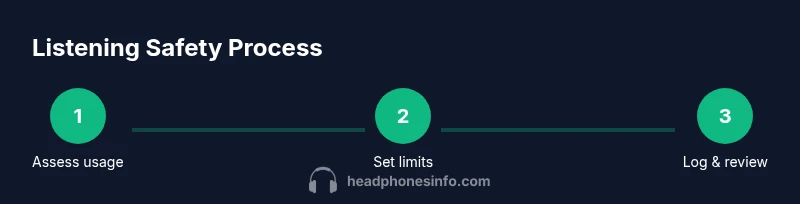
Tracking your listening habits helps translate vague intentions into concrete change. Start by recording two or three typical listening sessions each day: duration and your approximate volume level. Use a timer and, if possible, a volume indicator app, to estimate how long you maintain a given level. Over one week, you’ll see patterns emerge, such as longer sessions during commutes or evening gaming marathons. Once you have a baseline, set personal targets: e.g., total daily listening time and a maximum single-session length. Review your log at the end of the week and adjust. Small, incremental changes compound into safer practices without feeling restrictive. The goal is consistency—your ears will thank you over months and years.
How headphone design affects listening comfort
Different headphone designs influence perceived loudness, comfort, and ear health. Closed-back or over-ear models often provide better isolation, which can make modest volumes sound louder than in a quiet room. In-ear buds can be compact and convenient but may require closer proximity to the ear canal, increasing the risk of fatigue if used for long periods. Open-back designs tend to leak sound rather than trap it, which can reduce your need to raise the volume in shared spaces. The fit matters: pressure on delicate ear tissue, clamping force, and even the weight of the headset can affect how long you can listen comfortably. Selecting a pair with adjustable headband pressure and proper padding helps you maintain comfortable listening across sessions. The relationship between headphone anatomy and listening duration reinforces the importance of not simply turning up the volume to compensate for noise or discomfort.
Building a practical daily listening routine
Consistency beats intensity when it comes to safe headphone use. Start with a simple daily scaffold: a short morning session, a moderate length afternoon block, and a longer but clearly bounded evening session. For example, you might aim for 20 minutes in the morning, 15–25 minutes during the day, and 30–45 minutes in the evening, with each block kept at a comfortable level. Use the 60/60 baseline as a flexible framework rather than a hard ceiling. If you’re in a noisy environment, opt for a different listening mode or use headphones with stronger passive or active noise cancellation to avoid turning the volume up. Pair your sessions with fixed breaks—ideally 5 minutes every 25–30 minutes of listening—to give your ears a rest and to re-center your focus on the music rather than the impulse to crank up the volume.
Breaks, maintenance, and hearing health tips
Breaks are essential. Short, regular pauses during listening let your ears recover, maintain sharp perception, and reduce fatigue. During breaks, remove the headphones and give your ears a rest for a few minutes; light activity like a quick stretch can help. Maintenance matters too: clean your headphones regularly to avoid ear infections and replace worn ear tips that can affect fit and seal. Use a clean, breathable pad or tip; avoid sharing earbuds to minimize cross-contamination. If you frequently travel or work in loud spaces, consider devices with volume limiting features and safety apps, and use the lowest volume that still delivers the intended sound quality. These habits reduce risks and help you sustain enjoyable listening over time.
Common myths about headphone use
Myth 1: Louder is better for bass. Reality: bass perception depends on frequency balance and the overall listening environment; cranking volume often distorts bass and damages hearing. Myth 2: In-ear headphones are always safer. Reality: safe listening is about duration and level, not headphone type alone. Myth 3: If you can hear the music, you’re not harming your hearing. Reality: tinnitus and subtle hearing damage can occur even at moderate volumes over long periods. Myth 4: Outdoor listening is safe because you can hear surroundings. Reality: noisy environments can cause you to raise volume inadvertently; use noise-cancelling or adjust accordingly.
Special considerations for kids and teens
Younger listeners are more vulnerable to hearing loss, so set age-appropriate limits, model healthy habits, and enable device-level volume caps. Encourage short, frequent listening sessions rather than long blocks. Teach kids to take breaks and to notice signs of discomfort like ringing ears or fullness. For families, it is worth using safe listening apps that log usage and provide gentle reminders to pause. If you’re shopping for younger listeners, look for headphones with built-in volume limiters and comfortable, lightweight designs for extended wear.
Practical recommendations and product considerations
For general listening, a balance of comfort, sound quality, and safety features will serve you best. If you listen mainly in noisy settings, opt for closed-back, noise-isolating headphones with moderate clamp force and replaceable tips. For travel or outdoors, wireless Bluetooth headphones with long battery life and good noise cancellation are practical, but ensure they include a volume limiter and a safety feature to prevent inadvertent loud playback. In terms of maintenance, clean ear pads, replace worn tips, and rotate devices to reduce repeated stress on the same ear. Finally, tailor your routine to your life: a consistent pattern of mindful listening beats sporadic, high-volume sessions. Headphones Info’s guidance, grounded in listening science, helps you enjoy music while protecting your hearing over the long term.
Tools & Materials
- Sound level meter app(Estimate listening volume in dB and calibrate with a known reference if possible)
- Headphones with volume limiter(Helpful for preventing accidental loud playback, especially for family members)
- Timer or stopwatch(Track session length to enforce limits)
- Listening log (digital or paper)(Record duration and volume to review patterns)
Steps
Estimated time: 45-60 minutes
- 1
Assess current listening habits
Take stock of how long you listen each day and at what volumes. Note any discomfort after listening sessions and identify patterns like commuting or gaming sessions that push volume high.
Tip: Start by listing two typical daily sessions and measured durations. - 2
Set daily listening limit
Choose a reasonable cap for total daily listening minutes and per-session duration. Use a timer to remind you to take breaks.
Tip: Small adjustments compound into healthier patterns over a week. - 3
Apply the 60/60 rule
Begin with the baseline of 60% maximum volume for up to 60 minutes per session, then reduce duration in louder environments.
Tip: If you can’t hear yourself clearly or hear ringing after, stop and rest. - 4
Test headphone fit and environment
Try different headphone designs and check fit to minimize fatigue and avoid needing high volume in noisy places.
Tip: Look for comfortable padding and adjustable clamping force. - 5
Create listening blocks in your day
Schedule short blocks (morning, afternoon, evening) rather than long marathons. Use environmental controls to avoid cranking volume.
Tip: Keep a consistent rhythm rather than sporadic bursts. - 6
Take regular breaks
Pause between blocks to give ears a rest. A 5-minute break after every 25–30 minutes helps prevent fatigue.
Tip: Stand up, stretch, relax jaw muscles to reduce tension. - 7
Log usage and review weekly
Record session length and volume weekly. Compare to targets and adjust automatically as needed.
Tip: A simple weekly review makes healthy habits stick. - 8
Educate household members
Share safe listening practices with family and peers to reinforce a culture of ear health.
Tip: Encourage others to use volume limits and breaks. - 9
Maintain gear for safety
Keep pads clean, replace worn tips, and ensure cable integrity to avoid discomfort that might tempt higher volume.
Tip: Regular maintenance prevents avoidable listening stress.
People Also Ask
What counts as safe listening duration?
Safe listening duration depends on volume and context. Short, frequent sessions with breaks generally reduce risk. Use your own comfort as a gauge and start with moderate time blocks.
Safe listening depends on how loud and how long you listen. Start with moderate blocks and take breaks.
Can listening at low volumes still damage hearing?
Yes, long exposure to even moderate levels can contribute to hearing fatigue over time. Breaks and variety in listening can help.
Even at low volume, long listening sessions can tire your ears. Take breaks and mix up your routine.
Is the 60/60 rule suitable for kids?
The 60/60 rule is a good starting point, but adjust for children’s comfort and environment. Lower limits may be appropriate for younger listeners.
The 60/60 rule is a starting point; tailor it to kids and use device limits.
How can I tell if I’m listening too loud?
Look for signs like ringing ears, difficulty following conversations afterward, or fatigue. Reduce volume and take a break if symptoms occur.
If your ears ring, you struggle to hear after listening, or feel fatigue, lower volume and rest.
Do wireless headphones affect safe listening differently from wired ones?
Safety principles apply to both; wireless use may involve different noise isolation and battery-related considerations. Keep volume within safe ranges regardless of connection type.
Safety rules apply to both wireless and wired headphones; stay mindful of volume and duration.
Watch Video
What to Remember
- Balance volume and time in every listening session
- Use the 60/60 rule as a baseline
- Log your usage to monitor patterns
- Breaks matter: take short pauses regularly
- Choose headphones that suit your environment and activity