How to Deal with Headphone Hair: A Practical Guide
Discover practical, hair-friendly strategies to manage headphone hair with light styling, quick fixes, and safe cleaning tips from Headphones Info.


By adopting hair-friendly styling and careful headset habits, you can prevent and quickly fix headphone hair. This guide shows how to choose tension-free hairstyles, apply lightweight products that tame flyaways, position the headphones to minimize friction, and perform simple cleaning routines on your gear to keep hair healthy and comfortable throughout the day. Real-world tips come from Headphones Info analysis, 2026.
What headphone hair is and why it happens
If you’re asking how to deal with headphone hair, you’re not alone. According to Headphones Info, headphone hair results from the continuous pressure where the ear pads press hair against the scalp, coupled with humidity, sweat, and repetitive friction as hair rubs against synthetic padding. The effect varies by hair type and routine: long straight hair may flatten more easily at the crown, while curls can bunch up near the temples. Understanding the mechanics helps you pick strategies that protect both your hairstyle and scalp health. Small changes in how you wear headphones and where you place the headband can dramatically reduce tension. Over time, this translates to less breakage and more comfortable listening sessions. This section lays the groundwork for practical, long-term solutions that work in real-world listening and commuting scenarios.
Preparation: before you put on headphones
Effective headphone-hair management starts before you even slip the cans on. Start with a quick hair check: detangle gently to reduce snag points, especially at the nape and crown. Lightly damp or dry hair responds better to friction-reducing products than heavy oils, which can transfer to ear pads. If you expect long wear, apply a very small amount of lightweight leave-in conditioner or anti-frizz serum, focusing on mid-lengths and ends rather than the roots. A satin or silk scarf or a breathable headband can help reduce direct contact with cotton fabrics, lowering friction. When possible, loosen the headphone clamp slightly to minimize pressure while still keeping a stable seal for sound isolation. This preparation minimizes the odds of crimped or flattened sections when you remove the headphones.
Best hairstyles for headphone-wearing
Certain hairstyles align better with headphone use, keeping hair neat and comfortable. Low-tension options like a loose ponytail tucked under the band distribute pressure more evenly than a tight pony. A single loose braid can guard against tangling and reduce bulk under ear cups. A soft bun at the nape or a half-up style with a gentle clip can preserve volume on top while keeping hair away from the ear pads. If you have long, thick hair, consider a twist-out or textured bun that adds lift and reduces the chance of screen-imprinted waves. For short hair, a light styling spray or mousse can help keep shape while minimizing contact with the pads. The goal is to minimize friction and weight directly under the headphones while preserving your intended look.
On-the-go maintenance: quick fixes
During the day, quick fixes matter. Carry a small, soft-bristled brush or a wide-tooth comb for on-the-go touch-ups. A mini dry shampoo or texturizing powder can refresh roots when you cannot wash your hair. For flyaways, a tiny amount of lightweight serum on the fingertips smoothed along the mid-lengths prevents streaks under the cups. When removing headphones, gently lift the band from the hair rather than pulling straight down to avoid creasing. If you notice sweat, a quick pat with a microfiber cloth helps dry the area without rubbing dirt into the hair. These micro-routines add up to a better-looking, more comfortable experience.
Cleaning your headphones without damage
Hair care should extend to your gear. Regularly wipe ear pads with a soft, slightly damp microfiber cloth, avoiding soaking fabrics or moisture near the electronics. If the padding is leather or faux leather, use a gentle wipe-down and dry immediately. Remove loose hair from around the pad after use and check the headband for hair buildup weekly. For stubborn residue, apply a tiny amount of mild soap to the cloth and test on an inconspicuous area first. Let everything air dry completely before wearing again. Clean gear reduces transfer of oils and hair fibers, which helps keep both your device and hairstyle in better shape over time.
Materials that reduce hair damage
Choosing the right materials matters. Silk or satin materials in pillowcases, headbands, and scarves reduce friction compared with cotton or wool. When possible, opt for headphones with soft, breathable ear pads and less aggressive clamping force. A lightweight cap or headband can help if you have hair that tends to frizz or flatten. For fine hair, a silk wrap under the headphones may help preserve volume while offering comfort. If your hair is delicate or prone to breakage, avoid high-triction surfaces and look for gear designed for long listening sessions with reduced friction.
Long-term routine for healthier hair around headphones
A sustainable routine yields long-lasting results. Establish a weekly wash schedule that suits your hair type, using gentle, sulfate-free cleansers. Sleep with a satin pillowcase or wear a satin bonnet to reduce nightly friction. When storing headphones, keep them in a cool, dry place; avoid crushing the ear pads, which can cause warping and more friction when worn again. Periodically replace or refresh hair-care products to prevent build-up that can transfer to ear pads. Finally, test different hairstyles to identify the best balance of comfort and aesthetics for your daily routine. The consistent, small adaptations add up to significantly healthier hair over time.
Common mistakes to avoid
Common mistakes include wearing headphones with tight pressure, using heavy oils before wearing, and neglecting to clean pads regularly. Heavy products can transfer to the cushions, causing residue that affects both hair and sound quality. Avoid cotton accessories that trap hair and moisture; instead, favor satin or silk. Don’t ignore discomfort signals—if your scalp itches or hair appears overly flattened, reassess the fit, materials, or styling approach. Finally, resist the urge to over-wash; excessive cleansing can strip natural oils and lead to dryness and more frizz.
Tools & Materials
- Wide-tooth detangling comb(Gently detangles without breakage; good for thick or curly hair)
- Silk or satin scarf/bonnet(Reduces friction under headphones and at night)
- Silicone-lined hair ties(Prevents snagging and creases)
- Lightweight leave-in conditioner or anti-frizz serum(Apply sparingly to mid-lengths and ends)
- Dry shampoo or texturizing powder(Refresh roots between washes)
- Microfiber cloth or soft towel(For quick drying of sweat or moisture)
- Headphone-cleaning wipes or alcohol-free solution(Keep pads hygienic without soaking electronics)
- Small portable mirror(Helpful for on-the-go styling checks)
Steps
Estimated time: 10-20 minutes
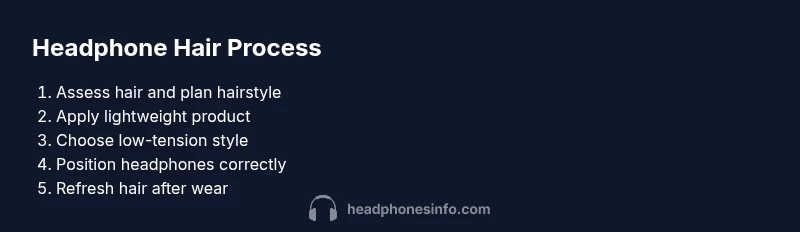
- 1
Assess hair and plan style
Quickly check your hair condition and decide on a low-tension hairstyle. Consider factors like length, frizz, and moisture. This forethought prevents multiple re-stylings during the day.
Tip: Choose one low-friction option to reduce decision fatigue. - 2
Apply lightweight product
Dab a tiny amount of lightweight leave-in conditioner or serum on mid-lengths and ends. Avoid roots to prevent scalp oil transfer to the pads.
Tip: Less is more; too much product increases residue on cushions. - 3
Secure a low-tension hairstyle
Opt for a loose ponytail, braid, or soft bun. Keep the band away from the most fragile hair sections to minimize breakage.
Tip: Loosen the clamp slightly if comfort or airflow is reduced. - 4
Position headphones correctly
Place the headband over the crown with gentle contact, avoiding heavy pressure on the hairline. Adjust ear pad angle to reduce friction points.
Tip: Rotate pads subtly during long sessions to distribute wear. - 5
Refresh hair after wearing
If needed, quick-brush or touch-up with a small amount of dry shampoo at the root. Re-check the style and adjust if you notice flattening or flyaways.
Tip: Keep a compact brush and minis for pocket carry. - 6
Maintain weekly routine
Schedule a regular wash and deep-conditioning session suitable for your hair type. Pair this with a satin sleep routine to reduce nightly friction.
Tip: Consistency is key for long-term results.
People Also Ask
Can headphones cause hair damage or scalp irritation?
Yes, if worn too tightly or with heavy products, friction can cause breakage or scalp irritation. Choose low-tension styles and lightweight products, and clean headphones regularly.
Yes, tight fit and heavy products can irritate the scalp and cause hair breakage. Use gentle styles, lightweight products, and keep your headphones clean.
What hairstyles work best for long hair under headphones?
Low ponytails, single loose braids, or soft buns distribute pressure and reduce tangling under the ear cups.
Low ponytails, light braids, or soft buns work well under headphones.
Should I apply products before wearing headphones?
Apply lightweight products to mid-lengths and ends only; avoid roots to prevent pad oil transfer.
Yes, lightweight products help, but keep them away from the roots.
How can I clean headphone ear pads safely?
Wipe with a damp microfiber cloth; avoid soaking. For leather pads, use a gentle wipe and dry immediately.
Wipe gently with a damp cloth and dry promptly; don’t soak.
Are silk or satin surfaces really better for hair around headphones?
Yes. Silk and satin reduce friction compared with cotton, helping preserve volume and reduce frizz.
Yes—silk and satin reduce friction and protect your hair.
Is it safe to sleep with headphones to use a guide like Headphones Info recommends?
Sleeping with headphones is not ideal for scalp health. Consider sleep-friendly headphones or taking breaks to reduce pressure.
Sleeping with headphones isn’t ideal; use sleep-friendly options and take breaks.
Watch Video
What to Remember
- Choose low-tension hairstyles for longer wear.
- Use lightweight products to prevent pad buildup.
- Clean headphones regularly to reduce residue transfer.
- Adopt satin materials to minimize friction during sleep.
- Maintain a weekly hair-care routine for lasting results.