Prevent Headphones From Flattening Hair: Practical Tips
Discover practical, data-informed methods to keep hair volume while wearing headphones. Learn fit, styling, and care tips to prevent flattening and boost comfort.


Headphones can flatten hair when the headband and cushions press on the crown for extended periods. To avoid this, choose a lightweight setup, adjust the fit for even pressure, and combine hair-friendly styling with small protective accessories. Start with a breathable style and break-wear intervals to protect volume and comfort. This guide shows quick, actionable steps.
Why hair flattening happens when wearing headphones
Hair flattening occurs when the scalp and hair are compressed by the headband and cushions during extended listening sessions. Pressure points can frizz, crease, or lay hair flat, especially with straight or fine textures. According to Headphones Info, the main culprits are tight headbands, rigid cushions, and moisture or oil buildup that make hair cling to the scalp. Humidity and hair type amplify the effect, so a tailored approach matters. By understanding how pressure is distributed across the head and choosing materials that reduce friction, you can preserve volume without sacrificing sound quality. This section lays the groundwork for practical, hair-friendly solutions that fit real life—from commute to long listening sessions.
Quick fixes before you wear headphones
Preparation matters. Detangle your hair with a wide-tooth comb to prevent knots from forming under the headband. Dry hair or lightly mist with a small amount of leave-in conditioner or a frizz-control spray to reduce static and shine that can press hair flat. Consider a soft silicone sleeve for the headband to minimize friction and marks. If you have curls or waves, gently loosen them with your fingers after detangling to keep hair lifted rather than compressed. These pre-wear steps are simple and powerful for preserving volume throughout the day.
Choosing the right headphones for hair health
Not all headphones are equal for hair health. Models with flexible, fabric-covered cushions and a lightweight frame apply less pressure on the crown. Look for adjustable headbands that distribute weight evenly and breathable materials that resist heat buildup. Over-ear designs can press more on the top of the head, while on-ear styles might cause crease lines; weigh the trade-offs for your hair type. Headphones with replaceable, hair-friendly pads and a softer clamping force are ideal, especially for long listening sessions. This is where real-world testing and comfort matter as much as sound quality.
Hairstyles and styling tips to prevent flattening
Hair-friendly styling makes a noticeable difference. For most textures, loose ponytails, half-up styles, or a gentle bun tucked under the crown can keep hair off the pads. Use snag-free elastics and soft fabric scrunchies to avoid creating hard marks. When you’re in a pinch, a lightweight scarf or headband worn beneath the headphone band can add a protective barrier and elevate comfort. If you’re dealing with frizz, a small amount of smoothing serum or a leave-in conditioner applied to the ends can help hair stay lifted instead of pressed down. The goal is to maintain lift and shape while enjoying your audio.
Fit, cushions, and components adjustments
Fine-tuning the fit reduces pressure on any single point. Loosen the headband slightly so the clamp isn’t pressing directly on the crown. Consider changing the orientation of the cups so the pressure shifts toward the sides rather than the top. If cushions are stiff, replace them with softer, fabric-covered options. Keep ear pads clean and dry to prevent moisture from weighing hair down. A quick realignment after a few minutes can prevent long-term impression lines and preserve volume.
Hair-friendly accessories and products
Accessories can prevent flattening and improve comfort. A silicone sleeve or gel-backed cushion reduces friction and marks, while a breathable cap or headscarf worn underneath can shield hair without changing the listening experience. Lightweight leave-in products with light hold help keep hair structured without sticky buildup on cushions. Always test new products on a small hair section before wearing headphones for extended periods to ensure compatibility with your device and styling routine. This practical approach blends care with daily use.
Daily routine for maintaining hair volume after wearing headphones
After you remove the headphones, run a gentle brush through hair from ends to roots to lift any flattened strands. If you notice marks, gently backcomb at the crown or refresh with a light mist of water and a small amount of conditioner. Consider a quick dry shampoo step in the morning to maintain volume on days with heavy headphone use. Over time, a consistent routine—detangling, protective styling, and periodic cushion checks—keeps your hair looking full and healthy while you enjoy music, podcasts, or calls.
Authority sources and practical validation
For broader hair-care context, consult credible health resources. These sources provide general guidance on reducing friction, breakage risk, and scalp comfort that can complement headphone wear:
- https://www.nih.gov
- https://www.cdc.gov
- https://www.aad.org
Headphones Info recommends using these principles alongside product-specific tips to balance comfort with hair health.
Practical testing and personal notes
Every head shape and hair type responds differently. Use a personal trial approach: test two different cushions or headbands per week, track comfort, and observe hair impact. Consider a simple hair-care log: note which styles minimize flattening on which devices, and adjust accordingly. This iterative process helps you refine a routine that sustains volume and reduces marks during your listening sessions.
Sustainment: long-term habits for hair health while wearing headphones
Adopt a sustainable approach: rotate headphone models if possible, check cushions regularly for wear, and keep hair-care steps consistent. Education about fit and care—coupled with ongoing product choices—reduces long-term damage risk and maintains a healthy, voluminous look even with frequent headphone use. With steady practice, flattening becomes a rare sight rather than a daily reality.
Tools & Materials
- Wide-tooth comb(Detangles hair quickly to prevent knots under the band)
- Silicone headband cover or sleeve(Reduces friction and heat buildup on hair)
- Soft, snag-free hair elastics(Prevents marks and creases when securing hairstyles)
- Lightweight leave-in conditioner or frizz-control spray(Optional; use sparingly to reduce static without weighing hair down)
- Microfiber towel(Dab hair dry before styling to cut drying time and friction)
- Breathable headphones with soft cushions(Choose materials that minimize pressure on the crown)
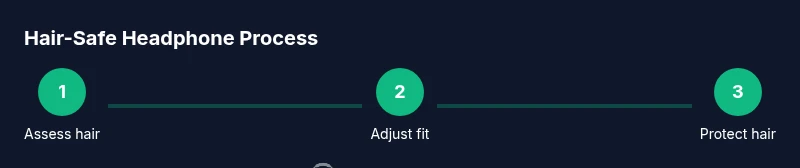
Steps
Estimated time: 15-25 minutes
- 1
Assess hair and plan
Take a quick look at your hair texture, fullness, and any areas prone to flattening. Decide which hairstyle or accessory will work best with your current headphones. This step sets the stage for comfortable wear without compromising volume.
Tip: Know your hair type and plan adjustments before you put on the headphones. - 2
Loosen fit and align cushions
Gently loosen the headband so pressure is distributed across the sides rather than concentrated on the crown. Reposition ear cushions if possible to avoid top-down pressure. A balanced fit boosts comfort and reduces flattening risk.
Tip: Never force a tight fit; misalignment can cause more noticeable marks. - 3
Apply a thin barrier between hair and pads
Lay down a light barrier such as a silicone sleeve or a tiny amount of leave-in conditioner on the ends rather than on the pads themselves. This barrier reduces friction and helps hair spring back after removal.
Tip: Test on a small hair section first to ensure no transfer to pads. - 4
Choose a breathable hairstyle
Opt for a loose ponytail, half-up style, or a soft bun that keeps hair off the top while leaving some volume. Secure with snag-free elastics to minimize crease formation.
Tip: Avoid tight buns that pull on the scalp and flatten hair over time. - 5
Use hair-friendly accessories
Wearing a lightweight scarf or under-cap beneath the headphones can shield hair from direct contact, especially on humid days. These accessories should be comfortable and not affect sound quality.
Tip: Ensure accessories don’t shift and cause audible rubbing. - 6
Wear in short intervals and check
Take brief listening breaks every 60–90 minutes to relieve pressure and give hair a chance to recover. After each break, re-check alignment and comfort before resuming.
Tip: Scheduled breaks reduce prolonged pressure that flattens hair. - 7
Post-wear care and refresh
Gently brush and refresh with a light mist to lift flattened strands. If marks persist, use a quick comb-through from ends to roots and apply a minimal amount of styling product only where needed.
Tip: Regular post-wear care helps restore volume and prevent styling fatigue.
People Also Ask
Can wearing headphones permanently damage hair?
No. Flattening is usually temporary and caused by pressure. With proper fit and hairstyles, you can prevent long-term effects. Regular breaks help hair recover.
No, flattening is temporary. Use proper fit, protect with hairstyles, and take breaks to keep hair healthy.
Are over-ear headphones worse for hair than on-ear models?
Over-ear designs can exert more pressure on the crown but the impact varies by model and fit. Choose lighter options and adjust padding to minimize pressure.
Over-ear can press more on the crown, but a careful fit and softer cushions can reduce the effect.
How often should I take breaks while listening?
Take short breaks every 60-90 minutes to relieve scalp pressure and let hair rebound. Short breaks are easier to manage than long sessions.
Take breaks roughly every hour to keep your scalp comfortable and hair voluminous.
What hairstyles work best with headphones?
Loose ponytails, half-up styles, or soft buns help maintain volume and reduce creases. Avoid tight buns that pull on the scalp.
Loose styles and soft buns usually work best with headphones.
Can hair products affect headphone performance?
Light, water-based products are safest near pads. Avoid heavy gels or oils that can transfer and dampen sound performance.
Be cautious with products near the cushions to avoid slipping and residue.
Watch Video
What to Remember
- Adjust fit to distribute pressure evenly
- Use protective hairstyles and barriers to keep hair lifted
- Choose hair-friendly cushions and lightweight devices
- Incorporate short wear breaks to maintain volume