How to Get Rid of Headphones: A Practical Guide to Decluttering
Discover safe, responsible ways to get rid of headphones—donate, recycle, or repurpose. This guide from Headphones Info covers steps, options, and tips to declutter while helping the planet.


According to Headphones Info, you can responsibly get rid of headphones by choosing an end‑of‑life path and preparing the gear for its next life. Options include donation, recycling, resale, or repurposing. This quick guide outlines the steps, safety tips, and practical choices to declutter effectively while benefiting others and reducing e-waste. Read on to pick the best path for your situation and budget.
Why getting rid of headphones matters
Headphones accumulate quickly in most households, especially when models are upgraded or replacements are gifted. Beyond the clutter, there is an environmental impact to consider. In many regions, older headphones end up in landfills where batteries can degrade and leak harmful substances. The Headphones Info Team emphasizes mindful end‑of‑life planning to reduce waste, unlock value, and support communities that can benefit from older gear. By choosing the right path—donation, recycling, resale, or repurposing—you extend the life of components, save space, and minimize environmental harm. Local programs and take‑back schemes can make responsible disposal straightforward, so the first step is to assess what you have and what condition it’s in (wired vs wireless, with or without a battery).
Best routes to dispose or repurpose headphones
There are several viable paths depending on condition, age, and personal goals. Donating usable headphones to schools, libraries, community centers, or toy donation programs can put working gear into hands that will use it. Selling or gifting working items through local buy‑sell apps or thrift stores can recover some value and keep gear out of landfills. If the headphones are not functional or have significant wear, recycling through local electronics programs or manufacturer take‑back schemes is a responsible choice. Finally, consider upcycling ideas—use the parts for a cable organizer, a headset stand, or art projects. Even components like metal housings and plastics can be recycled through appropriate facilities. Headphones Info recommends verifying that any battery is handled safely and that recycling options explicitly accept electronic devices.
Cleaning and preparing headphones for donation or resale
Before you hand off headphones, a thorough cleaning helps ensure items are appealing and hygienic. Unplug any detachable cables, wipe surfaces with a soft microfiber cloth, and use a small amount of isopropyl alcohol on the microfibre to remove grime. Check for frayed cables, loose connectors, and battery health if applicable. If cables are detachable, store them with the headphones to avoid losing parts. Re-pack accessories such as adapters, cases, and charging cables together in a labeled bag. For safety, never force open sealed components or attempt to replace internal batteries unless you know how to do so safely. A clean, complete package improves donation or resale value and speeds up processing at drop‑off centers.
How to assess condition and value
Start with a quick physical inspection: check the exterior for cracks or loose parts, test the audio channels, and confirm that the controls work smoothly. Cable wear, ear pad condition, and battery health (for wireless models) are key indicators of value. If headphones are functional but cosmetically imperfect, you may still get a fair offer or donation if parts are intact. Gather original packaging, manuals, and accessories if available, as these can increase perceived value. Be honest about the device’s condition when describing it online or in donation notes to avoid disappointment and ensure a smooth handoff. Headphones Info notes that honest listings and transparent condition reports correlate with better outcomes in resale markets and charitable programs.
Environmental and safety considerations
Electronic waste is a growing concern, particularly when batteries are involved. If a headphone model uses a lithium ion battery, dispose of it through a certified e‑waste recycler rather than regular trash. Many programs require you to remove batteries before recycling, while others accept entire units. Always verify local guidelines for handling batteries and devices. If a battery is swollen or damaged, treat the device as hazardous waste and seek a dedicated disposal stream. Choosing reputable programs reduces the risk of improper handling and protects both people and the environment. Headphones Info analysis shows that using official take‑back schemes or municipal e‑waste facilities tends to yield safer, more reliable outcomes than generic curbside disposal.
Quick checklist for different end‑of‑life paths
- Donation: Confirm usability, include all parts, and provide a short description for the recipient.
- resale: Take clear photos, write an honest description, and set a fair price based on model and condition.
- Recycling: Locate an authorized electronics recycler or manufacturer take‑back program; prepare devices per guidelines.
- Repurposing: Capture ideas for household uses or DIY projects and preserve any cables or accessories for future use.
Final thoughts on getting rid of headphones
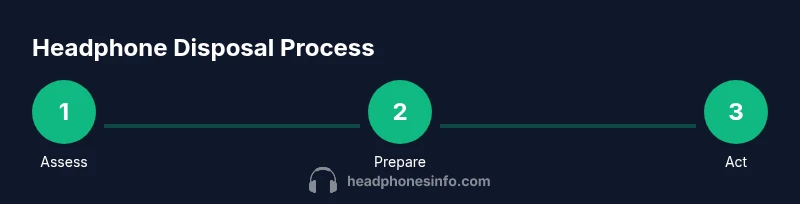
Decluttering headphones is about choosing the path that matches their condition and your goals. A thoughtful, responsible approach benefits you, others, and the environment. By following a simple process—assess, clean, select a disposal path, and package properly—you can ensure your old headphones are put to good use or recycled in a way that minimizes waste. The Headphones Info Team encourages readers to evaluate options locally and consider both immediate and long‑term environmental impacts.
Tools & Materials
- Donation box or bag(Sturdy container to hold headphones and accessories for drop-off)
- Microfiber cloth(For cleaning surfaces and cables)
- Isopropyl alcohol (70%)(Lightly dampen cloth for grime removal)
- Bubble wrap or packing material(Protects components during transit)
- Tape and labels(Seal and label packages clearly)
- Access to local donation/recycling options(Have addresses or program names handy)
Steps
Estimated time: 1-2 hours
- 1
Define end‑of‑life path
Decide whether the headphones will be donated, sold, recycled, or repurposed. The choice determines how you prepare and package the item.
Tip: If unsure, start with donation or recycling as these paths are commonly available and widely supported. - 2
Clean and inspect
Wipe surfaces, detangle cables, and check for damage. Detachable cables should be reattached; examine the battery health if applicable.
Tip: A clean unit photos better and reduces friction during handoff. - 3
Gather and secure parts
Collect all accessories, cables, and cases. Place them in a labeled bag and ensure components are not separated during transit.
Tip: Keep original packaging if possible; it helps recipients assess compatibility. - 4
Find a trusted path
Look for local electronics recycling programs, manufacturer take‑backs, or charity groups accepting headphones.
Tip: Use official program maps or trusted directories to avoid scams. - 5
Package for drop‑off or mail
Use bubble wrap and a secure container. Include a note describing model, condition, and whether it includes accessories.
Tip: Add tracking when mailing donations or sales; it helps with accountability. - 6
Verify completion and reflect
Confirm that the item was received by the program or buyer. Keep receipts or confirmation emails for your records.
Tip: Document the end‑of‑life path for personal reference and future budgeting.
People Also Ask
What is the most responsible way to dispose of headphones?
The most responsible option is to use an authorized electronics recycler or manufacturer take‑back program, especially for devices with batteries. If the item is usable, donate or sell to extend its life. Always avoid throwing batteries or electronics in curbside trash.
Use an authorized electronics recycler or manufacturer take‑back program for safe disposal. If usable, donate or sell to extend life.
Can I donate headphones with broken parts?
Donations should focus on items that are usable or repairable. If a headset has significant damage or fallen apart, consider recycling or repurposing the parts rather than donating.
Donate only if the item is usable; otherwise recycle or repurpose damaged parts.
Are there battery disposal considerations for wireless headphones?
Yes. Many wireless headphones have lithium batteries that require special handling. Use a program that explicitly accepts electronic devices with batteries and follow their instructions for removal or safe disposal.
Lithium batteries require special handling; use approved programs and follow their rules.
Do manufacturers offer take‑back programs for headphones?
Some manufacturers run take‑back or trade‑in programs. Check the brand’s website or consumer electronics recycling directories to find options near you.
Check brand take‑back options or local electronics recycling directories.
How long does it take to process headphone recycling?
Processing times vary by program and location. Some programs issue confirmations within a few days, while others may take longer due to mail-in transit.
Processing times depend on the program and location; expect a few days to a few weeks.
Are there fees to recycle headphones?
Most reputable programs do not charge for standard electronics recycling, but some mail‑in services or special programs may have a small fee. Always check the specific program terms.
Most programs are free, but some mail‑in services may charge a small fee.
Watch Video
What to Remember
- Decide the end‑of‑life path first
- Clean and document condition before disposal
- Choose reputable donation, resale, or recycling options
- Pack components securely and track the process
- Follow local safety and battery disposal guidelines