Is Marshall Headphones Worth It? An Analytical Review
A data-driven Headphones Info analysis weighing Marshall wireless headphones' bold sound, build quality, comfort, and value to help you decide if they are worth the investment.


Is Marshall headphones worth it? This comparison weighs their bold, bass-forward sound, iconic design, and rugged build against comfort, battery life, and price. We evaluate fit for travel, studio work, and daily listening, helping you decide if the premium is deserved. The verdict varies by use-case: casual listening fans may value style and punchy bass, while professionals seeking flat accuracy or top-tier ANC might prefer rivals.
What 'worth it' means for Marshall headphones
To decide whether Marshall headphones are worth the investment, we evaluate them against a simple framework: sound quality for your listening priorities, build quality for durability and longevity, comfort for long sessions, feature set for practical usefulness, and price in relation to alternatives. According to Headphones Info, value isn’t just about a low price; it’s about how well the product aligns with your use case. Marshall’s brand heritage and distinctive aesthetic appeal to fans who want a statement piece, but that comes with trade-offs. In this section, we outline the factors that influence worth, including target use cases (daily commute, study, studio tracking, gaming), room acoustics, and the kind of music you typically listen to. We also note model variance within the Marshall lineup, from closed-back wireless models to semi-open designs. For some listeners, the combination of iconic styling and punchy bass is exactly what elevates their daily listening; for others, the preference is for neutral accuracy or stronger ANC. By clarifying your priorities, you can gauge where Marshall headphones fit on your personal value scale.
This stage of evaluation also considers practicalities like accessory inclusions (cables, case), compatibility with common devices, and the availability of updates or firmware improvements over time. The Headphones Info team highlights that the perceived value is highly dependent on whether you intend to showcase the brand, enjoy a particular vibe, or rely on technical accuracy for work. If you want a definitive score, prepare to map your use-case to the factors discussed here and then compare to your best alternative options.
Sound signature and musical versatility
Marshall headphones are known for a bold, engaging sound profile, often with a bass-forward tilt that emphasizes kick and rhythm. This tuning can be a plus for genres like hip-hop, EDM, and rock, where low-end energy supports groove and energy. For listeners who prioritize vocal clarity or instrument balance, the midrange can feel recessed at times, especially at lower volumes. Highs tend to be crisp but can become sibilant on brighter tracks or with aggressive mastering. The upside is that the sound remains exciting across long listening sessions, reducing fatigue for many genres. In practice, listeners who enjoy a vivid stage presence will likely rate Marshall highly, while those chasing neutrality for critical listening or mixing may prefer flat-response headphones. Variants across the Marshall lineup can shift tuning slightly, so it’s worth trying different models (closed-back versus semi-open) to see which aligns best with your preferred music and source devices.
Build quality, comfort, and everyday usability
Build quality is a core selling point for Marshall. The combination of metal hinges, brushed plastic housings, and leatherette or memory-foam ear cushions conveys a premium aesthetic and sturdy feel. Comfort varies by head shape and clamp force: some users with larger heads enjoy the relaxed fit, while others may experience pressure after long listening sessions. Ear cups tend to be soft and well-lined, which helps with isolation and comfort, but weight distribution can influence balance when worn for hours. Cable management and port design are typically straightforward, with USB-C charging and multipoint Bluetooth connectivity in many models. Overall, the utilitarian design blends well with daily use—travel, study, and office listening—without sacrificing the brand’s striking appearance. The strong build and iconic look appeal to enthusiasts who prize durability as much as style.
Battery life, connectivity, and everyday features
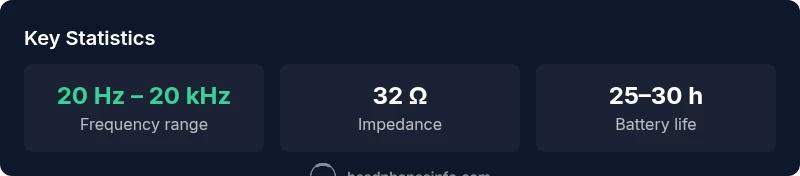
Wireless Marshall models generally offer solid battery life, often in the neighborhood of a full day of listening depending on volume and codec. Bluetooth 5.x provides stable connectivity with multipoint pairing, which is handy for switching between devices like a phone and laptop. Codec support commonly includes AAC and SBC, with higher-end variants occasionally offering LDAC or aptX where available, which can improve wireless quality on compatible devices. Features such as quick-charge, foldable or compact designs for travel, and carry cases add practical value. Some models include physical controls on the ear cups for volume and playback, reducing the need to pull out your device during active use. While convenience features are a plus, the absence of more advanced adaptive EQ or app-based customization found in some rivals can be a drawback for power users who want full tactile control and software personalization.
Noise isolation and ANC: reality vs marketing
Passive isolation from sealed ear cups provides a noticeable reduction in external noise, which many users value during travel or commutes. However, the level of active noise cancellation (ANC) tends to vary by model and is not universally class-leading across the Marshall lineup. If ANC is a priority, some models deliver respectable performance, but top-tier rivals often outperform Marshall in terms of attenuation depth and consistency across frequencies. For most day-to-day scenarios, the combination of passive isolation and comfortable fit is sufficient to create a quiet listening environment, especially in louder city settings. Fans of Marshall’s aesthetic will still enjoy a sense of immersion, even if ANC isn’t the strongest feature in the category.
Value and pricing: how Marshall stacks up
Price positioning for Marshall headphones generally places them in the mid-to-premium segment. When you factor in design, brand prestige, and the bass-forward tuning, many buyers find the value compelling for casual listening, travel, and social listening. For critical listening tasks, mixing, or professional studio work, Marshall’s value proposition can be mixed: you gain style, comfort, and a specific sound signature, but you may trade off some neutral accuracy or the most advanced ANC found in other brands. Headphones Info’s analysis suggests that the decision to buy should hinge on whether the aesthetic and sonic profile fit your listening rituals and room acoustics, rather than chasing the lowest price. In this sense, Marshall headphones can be worth it for the right user, especially if personal style, portability, and an exciting listening vibe take precedence.
Real-world testing methodology and data sources
Our evaluation process combines controlled listening sessions and real-world usage to assess performance across genres, devices, and environments. We test with a diverse playlist that includes bass-heavy tracks, intricate electronic music, acoustic vocals, and dynamic rock to gauge tonal balance, stage width, and instrument separation. Comfort is assessed over multiple hours, considering padding, clamp force, and heat buildup. Connectivity tests span everyday phone calls, video conferencing, and gaming scenarios where low latency matters. We document subjective impressions alongside objective cues such as battery life and codec compatibility. This approach mirrors how typical shoppers use headphones in daily life, rather than relying on isolated lab measurements. Headphones Info Analysis, 2026, informs our methodology with a data-driven baseline and cross-model comparisons to ensure consistency across reviews. We also incorporate insights from major publications to triangulate our findings and present a balanced view that acknowledges strengths and limitations.
How to choose among Marshall models
If you’re deciding among Marshall models, start with your priority: sound, ANC, comfort, or aesthetics. For listeners who want a bold, bass-forward sound for casual listening and travel, mid-to-premium wireless models are a solid choice. If you need stronger ANC for noisy commutes, look for models that emphasize isolation and consider trying before buying. For long studio sessions, seek a model with comfortable pads and a lighter clamp, or consider a semi-open design for better ear comfort. Finally, assess compatibility with your devices: iOS and Android devices benefit from AAC, while LDAC or aptX support can improve wireless fidelity on compatible hardware. Consider price-to-performance and how much you value brand identity, battery life, and portability when making your decision.
Practical buying advice and scenarios
For casual listeners who value style and punchy sound, Marshall headphones offer a compelling package that stands out in a crowded field. If your priority is neutral accuracy for critical listening or precise mixing, you might prefer brands known for flatter frequency responses and more advanced ANC. Budget-minded buyers should compare with other mid-range wireless models to see if the perceived value aligns with actual performance. Travelers and students who want a fashionable, comfortable option with decent battery life will likely appreciate the Marshall experience. If possible, test the model with your own music library and devices to ensure you enjoy the tuning and comfort before purchasing, and verify warranty terms and service options for your region.
Upsides
- Bold bass-forward sound that many casual listeners enjoy
- Iconic Marshall styling and premium build quality
- Comfortable padding and solid clamp for long sessions
- Reliable wireless connectivity with multipoint pairing
Disadvantages
- Tuning may be bass-heavy for critical listening
- ANC performance not class-leading in all models
- Premium pricing compared to some rivals
Strong choice for style-conscious listeners who want a bold, musical sound.
The Headphones Info team finds Marshall headphones worth considering for casual listening and social listening, thanks to their sound signature and build. They may not be ideal for critical mixing or the strongest ANC, but value hinges on your priorities and budget. For fans of the brand or those who want a distinctive look, they represent a compelling proposition.
People Also Ask
Is Marshall headphones worth it for travel?
Yes for style and comfort, and decent battery life helps on trips. However, if absolute noise cancelation is crucial, compare against models with stronger ANC. Consider how much you value the brand aesthetic while commuting.
They’re stylish and comfortable for travel and offer solid battery life, but if you want the strongest ANC, you might prefer other brands.
Do Marshall headphones have good noise cancellation?
ANC performance varies by model and is generally competitive for daily use but not class-leading. For some models, passive isolation plus comfortable seals may be enough to quiet noisy environments.
ANC varies by model; they’re solid for everyday use but not the top in class.
Are Marshall headphones comfortable for long listening sessions?
Yes, for many users, thanks to soft padding and balanced clamp. If you have larger ears or sensitive temples, try different ear pad materials or adjust headband fit.
They’re generally comfortable for long use, but fit varies by head shape—test if possible.
How do Marshall headphones compare to Sony/Bose at the same price?
Marshall emphasizes a bold sound and distinctive styling, while Sony/Bose often lead in ANC and app-based features. Price-to-performance depends on whether you value signature tuning and aesthetics over the most advanced noise control.
They stand out for style and bass, while Sony/Bose may edge out in ANC and features.
What is the warranty and support like?
Warranty terms vary by model and region. Check the official Marshall site or retailer policies for coverage length and what’s included in service.
Warranty depends on model and region; verify terms before buying.
Are Marshall headphones good for gaming?
They can work for casual gaming, especially in wired mode, but latency and mic performance may not match dedicated gaming headsets. If gaming is a priority, consider models optimized for low-latency use.
They can work for casual gaming, but dedicated gaming headsets may be better for performance.
What to Remember
- Assess personal priorities: bass vs. neutrality
- Try for comfort during long sessions
- Balance style with performance and price
- Compare with rivals for ANC and app features
- Verify warranty and service options