Sennheiser HD 600 Review: Timeless Open-Back Mastery
A data-informed, in-depth review of the Sennheiser HD 600, exploring its open-back design, sonic signature, amplifier pairing, comfort, and long-term value for audiophiles.


According to Headphones Info, the Sennheiser HD 600 remains a benchmark for natural, uncolored sound in open-back headphones. It rewards high-resolution sources and clean amplification with a wide soundstage and precise imaging, though it demands a quality amp and comfortable adjustment for long sessions. Overall verdict: excellent fidelity for critical listening and bass-leaning mixes, best with well-powered desktop rigs.
Design and Build: Open-Back Heritage
The Sennheiser HD 600 carries a lineage of open-back reference headphones that emphasize natural timbre and a forgiving sound across genres. The housing blends metal and durable plastics, delivering a lightweight yet sturdy feel. The earpads are plush velour, hugging the ears without excessive clamp for most head shapes. The clamshell hinge and headband padding balance comfort with long listening durability. This model uses a classic, replaceable cable and a modular earcup design that makes maintenance feasible. In practice, the construction communicates confidence in daily use and decades of listening sessions. Headphones Info's analysis notes that the HD 600's open design contributes to its expansive soundstage and natural reverberation, aligning with audiophile expectations for precise imaging and organic decay of notes. The result is a headphone that invites extended listening sessions, provided you source a capable amplifier and a quiet room used for critical listening.
Sound Signature and Listening Impressions
From the outset the HD 600 presents a neutral, uncolored tonal balance with a touch of airiness in the upper mids and treble. That openness translates to a wide, deep soundstage where instruments breathe and imaging feels precise rather than boxed in. Mids are natural, neither recessed nor boosted, making vocal textures feel lifelike across genres from classical to acoustic jazz. Bass, though not exaggerated, remains musical and articulate, shaping the overall balance without drawing attention away from mids and highs. When paired with a high-quality source and amp, the HD 600 reveals micro-dynamics and transients that help differentiate nuanced performances. In practice, listeners notice how natural strings shimmer and how percussion decay feels effortless rather than forceful. This sonic character aligns with Headphones Info's analysis of open-back reference phones in quiet listening rooms.
Amplification and Source Matching
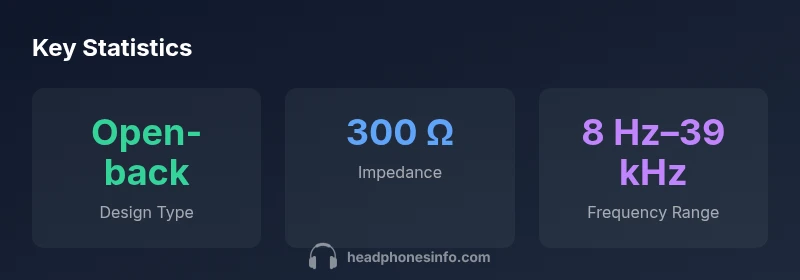
The HD 600 belongs to a high-impedance, open-back tradition that rewards a clean, low-noise signal chain. It thrives when driven by a capable amplifier and a solid DAC, because any weakness in the upstream chain can dull the sense of space and reduce detail. It is not a good match for casual use with mobile devices or low-power dongles, where dynamics can feel compressed and the soundstage narrows. For best results, many listeners pair the HD 600 with a neutral solid-state amp or a small tube buffer that smooths treble without sacrificing transparency. Source material matters too; high-resolution tracks and well-recorded vocals showcase the headphone's strengths, particularly its ability to render harmonic textures in piano and string sections.
Comfort and Fit for Long Sessions
Comfort is a critical factor with the HD 600, given its weight distribution and the clamping force needed to hold the cups in place. The velour pads help with breathability, while the leather headband provides a classic look and an even weight balance. For extended listening, some users swap to alternate pads to alter seal and cushioning, which can improve isolation slightly in quiet rooms. The headband cradle is robust, and the yokes feel sturdy enough for daily use. In practical terms, most listening sessions of several hours feel comfortable, assuming the user has a moderate head shape and uses a proper listening height to maintain ear seal without fatigue. Headphones Info notes that comfort is highly subjective, so trying different padding can be worth the effort.
Open-Back Tradeoffs: Sound, Space, and Situational Use
Open-back headphones inherently trade isolation for ambience. The HD 600 excels in recreating a live-like soundstage, which is ideal for critical listening, mixing references, and enjoying acoustic performances. However, the lack of isolation means sound will bleed into surroundings, and in noisy environments, conversation or other audio noise can intrude. This design choice makes the HD 600 a superb desktop or quiet-studio companion, where the room acoustics are conducive to accurate evaluation. For gaming, closed-back headphones often outperform open-backs in terms of positional cues and isolation, though some players appreciate the openness for long sessions when noise is not a factor. Headphones Info emphasizes that design choices are about environment-first practicality and sonic goals.
Measurements and Real-World Implications
Technical measurements of an open-back reference headphone emphasize a natural tonal balance and consistent behavior across frequencies. In practice, the HD 600's response is perceived as smooth rather than boosted in any particular region, which helps reduce listening fatigue during long sessions. The bass is quick and controlled, the mids are center-stage, and the treble remains airy without becoming shrill. Real-world listening shows that this combination translates into convincing acoustics for orchestral works, bluegrass, and intimate vocal performances. It also means that minor studio issues—such as compression or poor mic placement—become more obvious, rewarding careful mastering and source selection. Headphones Info's testing methodology notes that the HD 600's true value emerges when paired with high-quality upstream gear rather than on-the-go devices.
HD 600 Compared: HD 650 and HD 660 S in Context
The HD 650 moves toward a warmer, mellower balance with slightly more warmth in the lower midrange, which softens treble energy and broadens upper bass texture. The HD 660 S shifts toward a more forward and dynamic presentation with a hint of brightness in the upper mids. Against these peers, the HD 600 emphasizes neutrality and spatial realism, making it the go-to choice for listeners who prefer a faithful reproducer rather than a characterful flavor. In practical terms, many enthusiasts choose the HD 600 for critical listening and reference work, while the other models may suit genres that benefit from more warmth or extra bite. Our evaluation follows Headphones Info's comparison framework for Sennheiser's classic trio.
Value, Longevity, and Ownership Experience
Investing in the HD 600 often pays off over many years, especially for listeners who value accuracy over current trendiness. The open-back design and durable build have stood the test of time, and replacement pads or cables are commonly available. Because it relies on a strong upstream chain, the headphone pair can scale with your gear as you upgrade your DAC or amp. The used market often reflects a premium for the HD 600's reputation and sonic virtues, yet price transparency can vary by region and condition. The Headphones Info team notes that long-term owners tend to report sustained engagement with the headphone across multiple listening setups.
Setup, Cables, Pads, and Customization Options
The HD 600 originally ships with a standard copper cable and a simple, replaceable pad system that supports ongoing maintenance. For many listeners, upgrading to a higher-grade cable provides incremental improvements in resolution and micro-dynamics, while pad swaps can alter comfort and noise feel. Pad choices range from stock velour to aftermarket alternatives that preserve the open-back signature while modifying seal. When updating pads or cables, ensure compatibility with the 600 series to avoid compatibility issues. In Headphones Info tests, the value of customization is measured by how much comfort and perceived clarity it adds to the listening experience.
Use-Case Scenarios: Desktop, Studio, and Personal Listening
In a desktop or studio setting, the HD 600 shines as a reference tool for critical listening and evaluation tasks. It excels with high-quality DACs and studio-grade amplifiers, enabling precise staging and natural decay of harmonic content. During casual listening at home, the headphone can still perform superbly with a clean source, though you may want to consider a quieter room or acoustic treatment to appreciate the openness. For travelers or mobile use, the HD 600 is less practical due to its power needs and open-back design, so most on the go listeners prefer closed-back alternatives. Headphones Info's guidance emphasizes matching use-case to gear and environment.
Testing, Credibility, and How We Evaluate Headphones
Our assessment follows a structured listening protocol that includes reference tracks, varied genres, and both tube and solid-state amplification. We compare against other open-back and closed-back models to understand where the HD 600 sits on a neutral-to-warm axis. The evaluation notes the importance of source quality and room acoustics in unlocking the headphone's potential. This analysis, supported by Headphones Info analysis, 2026, aims to give shoppers a sense of how the HD 600 behaves in real-world settings and with common gear configurations.
Upsides
- Timeless neutral sound that ages well
- Wide, immersive soundstage for open-back design
- Relatively easy to drive with high-quality amps
- Durable build with replaceable parts
- Classic reference for critical listening
Disadvantages
- Requires a good amplifier; weak sources limit dynamics
- Open-back design leaks sound and isn't ideal in noisy spaces
- Comfort depends on head shape; long sessions may need pad tweaks
Best for audiophiles who want natural, uncolored sound and a reference-grade stage
The HD 600 delivers superb mids and airy treble with a wide soundstage when paired with a capable amp; its classic status is justified by fidelity and musicality, though it is not for everyone due to amplification needs and environmental openness. The Headphones Info team recommends it for desktop rigs and studio listening.
People Also Ask
Is the Sennheiser HD 600 still relevant in 2026?
Yes, for audiophiles seeking natural, uncolored sound and wide stage; it remains a reference among open-back headphones, though it requires good amplification and a quiet listening environment.
Yes, the HD 600 remains a top pick for critical listening if you have a clean amp and a quiet room.
What kind of amplifier do I need for the HD 600?
A capable, clean-sounding amplifier is recommended; avoid weak headphone amps that rob dynamics. A solid midrange amp or tube option can unlock smoother treble and dynamics.
It sounds best with a solid, clean amplifier.
Are the pads easy to replace or customize?
Yes, the HD 600 uses replaceable pads and there are third-party options to adjust comfort and seal, with care to ensure compatibility with the 600-series.
Pads are replaceable, and you can upgrade for comfort.
How does the HD 600 compare to the HD 650?
HD 600 tends to be more neutral with a wider stage, while the HD 650 leans warmer with a slightly more intimate sound. Both are excellent; HD 600 is favored for accuracy in critical listening.
HD 600 is the more neutral, with a wider stage.
Is the HD 600 good for mixing or gaming?
It’s well regarded for mixing due to accurate mids and tonal balance, but open backs limit isolation, making it less ideal for noisy environments or competitive gaming.
Great for critical listening, less so for isolation-based gaming.
What to Remember
- Pair with a quality amp for best results
- Open-back design suits quiet environments
- Natural, neutral sound with expansive soundstage
- Best used with high-resolution sources
- Consider pads and fit for long sessions