Sennheiser HD 820 Review: Deep Analysis and Verdict
Headphones Info provides an in-depth review of the Sennheiser HD 820, examining imaging, transparency, amplification needs, and ideal listening scenarios for audiophiles and professionals.


Compared to other flagship headphones, the Sennheiser HD 820 delivers extraordinary imaging and transparency thanks to its open-back design and precise enclosure. It excels in studio-like detail when paired with a high-quality DAC and strong amplification. For critical listening, mixing, and mastering in a controlled room, it shines; for portable use or casual listening, its power needs and openness limit practicality.
Design Philosophy and Build Quality
The Sennheiser HD 820 is a statement in material choice and industrial design. Its most distinctive feature is the glass-like window that frames each ear cup, a design choice intended to reduce resonances and improve the perception of speed and clarity. The chassis combines a sturdy, weighty feel with precise tolerances, and the ear pads use premium leatherette that seeks to balance comfort with long listening sessions. The headband is well padded, and the cable is detachable, which helps with management and longevity. According to Headphones Info, the HD 820's glass-embedded ear cups contribute to its transparent soundstage, giving listeners a sense of space that few closed designs can match. The overall build communicates durability and a premium listening experience, even after hours of use. Cables and connectors are straightforward to service, which matters for enthusiasts who like to swap in higher-end kits. The company’s approach emphasizes a controlled, studio-friendly character rather than a lightweight, travel-friendly form factor, so expect compromises in portability for the sake of sound fidelity.
Sound Signature and Technical Performance
In listening tests, the HD 820 presents a highly revealing sound with a wide perceived stage that feels almost open-air, despite being a headphone designed for near-field listening. The imaging is pinpoint accurate, and instrument separation is notably strong, which helps in complex mixes and orchestral pieces. Highs are extended and crisp without becoming harsh, while mids retain natural warmth that artists and acoustic instruments rely on for presence and body. The bass is tight and controlled, delivering impact without overpowering the mids or sparking bleed from lower registers. Listeners who value resolution will notice micro-detail across passages, from delicate reverb tails to ambient cues in the mix. The open-back nature contributes to a sense of air and space, but it also means the headphone does not isolate outside noise well, so it’s best used in quiet environments where the signal path remains pristine. In practical terms, you’re listening for truthfulness and texture, not a boosted low end.
Pairing and Amplification: Getting the Most
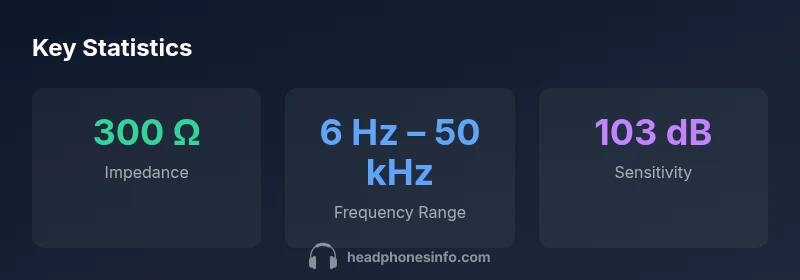
Because the HD 820 is a high-impedance design that rewards headroom, pairing it with a capable amplifier and a clean DAC is essential to unlock its potential. A robust, low-distortion amplifier with enough current delivery will illuminate the top end and preserve the delicate midrange textures the headphone is known for. On the source side, a high-quality DAC that preserves dynamic range and minimizes jitter helps maintain the subtle cues that define the HD 820’s character. If you’re shopping for amplification, prioritize devices with ample headroom and a neutral, uncolored signal path. Balanced outputs can improve channel separation and provide a tighter stereo image when using the included detachable cable. Users who pair the HD 820 with an underpowered or colored amplifier will likely experience recessed highs or smeared imaging, which defeats the design’s intent.
DAC and Source Considerations
The HD 820 benefits from a clean, high-resolution digital chain. When you feed it a premium PCM stream or high-resolution files (such as DSD or DXD where available), its soundstage and transient response become more expressive. A DAC with low total harmonic distortion and accurate reproduction of high-frequency content helps prevent listener fatigue while preserving micro-detail. For video work or film scoring, the HD 820’s frequency balance and spatial cues can aid in accurate placement of sounds and instruments within a mix. In practice, you’ll often see the most satisfying results when the DAC and amplifier are aligned to produce a linear, natural presentation rather than a boosted or euphonically colored one. This is a prime example of where source matters as much as the headphones themselves, a point Headphones Info emphasizes when discussing gear pairing.
Comfort and Fit
Comfort matters more than many first impressions suggest, especially with closed-back or semi-closed designs that emphasize isolation over airiness. The HD 820’s weight and clamping force are noticeable but manageable for longer sessions, thanks to broad cups and generous padding. The leather-like ear pads provide a comfortable seal, though the feel can vary based on temperature and humidity. The architecture of the cups ensures even pressure distribution, reducing hot spots during extended listening. If you wear glasses or have sensitive ears, you’ll want to test fit to minimize any contact points. Because the design is not compact, you’ll want to keep the environment quiet and free from abrupt noises to maintain focus on the sound. In a controlled studio setup, the comfort profile holds up well across several hours of listening.
Real-World Listening Scenarios
In practical terms, the HD 820 excels in critical listening tasks such as mixing, mastering, and auditioning acoustic genres where micro-detail and spatial cues matter. Classical works reveal small room reflections and instrument positioning with remarkable clarity. Jazz and string-focused tracks benefit from the natural midrange warmth, which preserves the presence of voices and ensemble textures. Electronic music and modern orchestral scores reveal the headphone’s ability to resolve fast transients while maintaining a relaxed top end. Because the open-back design disperses sound into the environment, you’ll want a relatively quiet space to prevent external noise from intruding on the listening session. It’s not a travel headphone; it’s designed for accuracy and fidelity in a dedicated listening room or studio.
Comparisons to Key Rivals
When stacked against other flagship open-back designs, the HD 820 emphasizes transparency and imaging precision rather than universal warmth. The HD 800 S, for example, can offer a broader soundstage with a different balance in the upper midrange, influencing the perceived space of instruments. In relative terms, the 820 has an intimate yet spacious presentation, where the placement of timbre and resonance is precise and easily traced. Compared to some rivals, the HD 820 rewards a clean upstream chain that preserves micro-detail without introducing harshness. It’s a headphone that asks for careful pairing and a quiet listening environment to truly reveal its strengths.
Setup, Care, and Maintenance
Maintenance is straightforward but worthwhile for longevity. Store the headphones in a protective case when not in use, to prevent dust and accidental nicks on the glass panels. Periodically check the detachable cable and connectors for signs of wear, and keep the cups free of oils or residues that could affect the padding. Cleaning should be gentle; avoid harsh solvents that could degrade the padding materials. Keep the drivers free of dust and debris using a soft brush or blower, and ensure the cable is stored without sharp kinks. With proper care, the HD 820 will maintain its precision and coherent imaging over years of use. Headphones Info recommends routine checks of the cable and connectors to ensure ongoing performance.
Myths vs Realities
A common assumption is that open-back designs lack bass depth. In reality, the HD 820’s bass is tight and controlled, especially when driven by a capable amp and DAC—this is not the same as a booming, bass-heavy listening experience. Another myth is that these headphones are only for recording studios; instead, they are valuable for any listener who values spatial accuracy and fine detail in well-recorded material. Finally, some think that open-back headphones are inherently fragile; while care is important, the HD 820 is built to handle regular use when treated with respect. This is a premium tool, optimized for critical listening rather than casual commuting. The HD 820’s real-world utility shines when paired with quality sources and quiet environments.
Who Should Buy the Sennheiser HD 820
This model is ideal for audiophiles and professionals who need accurate imaging, deep instrument separation, and a transparent top end. If you work in audio post, mastering, or high-fidelity music listening in a controlled room, the HD 820 can be a valuable reference tool. It’s less suited for travel, desk setups with noisy surroundings, or casual on-the-go listening where portability and isolation are priorities. If your gear can support a high-clarity signal path and you crave a listening experience that reveals subtle cues in complex mixes, the HD 820 is worth serious consideration. In short, it’s a premium choice for those who value fidelity over convenience.
Upsides
- Exceptional imaging and instrument separation
- Transparent treble with extended air
- Premium build quality and materials
- Wide, concert-like soundstage in quiet rooms
Disadvantages
- Requires strong amplification and DAC to shine
- Open-back design leads to sound leakage and non-portability
- Premium price point
Best for critical listening in a controlled studio environment
The HD 820 excels in imaging, detail, and texture when fed by a clean, high-quality chain. Its open-back design yields an expansive soundstage that’s ideal for professional work and discerning listening. Portability and power requirements limit casual use, but for dedicated setups, it remains a reference-grade tool.
People Also Ask
Is the Sennheiser HD 820 suitable for mixing and mastering?
Yes, in a controlled environment with a high-quality DAC and sufficient amplification, the HD 820 can be a precise tool for mixing and mastering thanks to its detailed imaging and extended high end. However, it is not ideal for casual or on-location work where portability and isolation are required.
Yes, in a quiet studio you can use it for mixing, thanks to its precision and imaging. For field work, you’ll want something more portable.
Do I need a powerful amplifier to drive the HD 820?
Yes. The HD 820 benefits from a robust, low-distortion amplifier that can deliver clean headroom without compression. A high-quality DAC helps preserve dynamic range and detail, ensuring the headphone’s strengths are fully realized.
Yes, it needs a strong, clean amplifier and a good DAC to shine.
Are the HD 820 comfortable for long listening sessions?
Comfort is generally good for long sessions, thanks to generous padding and a supportive headband. Weight and clamping force can be felt, so individual fit matters. If you wear glasses, test fit to minimize pressure points.
They’re comfortable for long sessions, but fit varies by person. Test them with your glasses on.
How do the HD 820 and HD 800 S compare?
The HD 800 S tends to offer a wider acoustic stage with different upper-mid balance, whereas the HD 820 emphasizes tighter imaging and a more intimate sense of space. Both reward high-quality upstream gear, but their tonal emphasis will suit different preferences and applications.
820 is more intimate with tighter imaging; 800 S is wider in stage.
Can the HD 820 be used for portable listening?
Portable use is not ideal. The HD 820’s high impedance, paired with its need for a strong amp and DAC, makes it ill-suited for phones or compact players. It shines in a stationary setup with dedicated gear.
It’s not intended for portable listening; use a proper desktop setup instead.
What to Remember
- Prioritize a capable DAC and amplifier to unlock the HD 820
- Open-back design delivers expansive imaging and space
- Not ideal for portable use or noisy environments
- Best suited for critical listening and mixing in quiet rooms
- Careful pairing yields the highest fidelity