HD800S Review: Open-Back Excellence for Critical Listening
In-depth, data-driven review of the hd800s headphones, detailing sound quality, drive requirements, comfort, and value for audiophiles. Learn optimal pairing, compare to rivals, and decide if they fit your rig.


The hd800s open-back headphones deliver pristine detail, an expansive soundstage, and elevated treble clarity, making them a top choice for critical listening. They shine when paired with a clean DAC and a capable amp, but performance depends on source quality and room acoustics. For audiophiles who value transparency, the hd800s set a high bar in the open-back category.
Overview and Context
The hd800s represents a refined direction for Sennheiser’s open-back flagship lineage, prioritizing transparency, speed, and stage than sheer bass heft. The hd800s retains the expansive soundstage the original HD800 popularized, but with subtle tuning adjustments aimed at tighter bass control and more consistent performance across high-resolution content. This headphone is squarely aimed at analytical listeners, mastering engineers, and audio enthusiasts who prize micro-didelity and an almost uncanny sense of space around instruments. According to Headphones Info, the hd800s stands out in the crowded high-end segment for its ability to preserve fine detail without sounding etched or grainy, especially on well-recorded material. The build is purposefully robust, with a metal yoke, comfortable headband, and large, softly padded cups. While the design favors openness and air, it also means sound escapes more easily than closed-back models, which is a consideration in shared living spaces or quiet rooms.
In practical terms, the hd800s rewards careful amplification and source pairing. A clean DAC paired with a balanced, high-current amplifier will unlock dynamic range and low-level detail absent in many consumer headphones. The hd800s is not a “plug-and-forget” headphone; it benefits from a disciplined signal chain and a room that avoids excessive close-miking or loud bass reinforcement. Headphones Info notes that such a setup brings out the most natural timbre and spatial cues, enabling a realistic instrument portrayal and a believable stage. For many listeners, the hd800s becomes a reference tool rather than a casual listen, which is precisely what keeps it relevant in 2026.
Sound Signature and Imaging
The hd800s is renowned for its almost audibly transparent treble and exceptionally wide imaging. The upper frequencies are crisp without becoming fatiguing, which helps reveal micro-dynamics in acoustic recordings—apparent breath, bow textures, and percussive detents become part of the listening experience rather than background cues. The mids stay present and natural, offering intimate vocal texture without sacrificing haze-free clarity. The bass, while not boosted, remains tight and fast, delivering rhythm and weight when the track calls for it but never overpowering the tonal balance. This combination yields a sound signature that many describe as “unforgivingly honest,” ideal for critical listening, mastering work, and high-fidelity enjoyment. Imaging is precise, with a convincing sense of where each instrument sits in the stage from left to right and front to back, aided by the headphone’s wide sonic envelope. For listeners evaluating headphone performance against reference monitors, the hd800s provides a compelling, headphone-based mirror of the spatial cues you’d expect in a well-treated room. In the real world, this translates into a sense of air and space around musicians that is hard to replicate with many other open-back designs, a point Headphones Info emphasizes when comparing the hd800s to peers in the same class.
Drive Requirements and Source Pairing
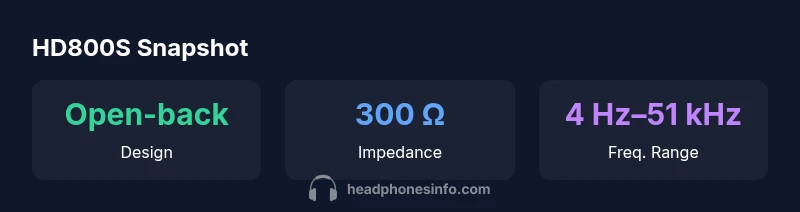
The hd800s benefits from a capable signal chain. It is not a “minivan-friendly” load: with an impedance typically around the 300-ohm mark, it demands a robust amplifier capable of delivering clean current at higher impedance. Buyers should plan for a DAC that offers low distortion and minimal noise, paired with an amp that can sustain voltage headroom without compression at louder playback levels. Tubes can impart warmth and harmonic richness that some listeners enjoy, but the hd800s tends to reward a solid-state path that preserves channel balance and transient response. In practice, using a high-quality balanced cable with a solid, low-noise amplifier yields the best results, revealing the hd800s’ micro-dynamics and wide range. Headphones Info’s testing suggests that the hd800s scales well with power delivery; when the chain is underpowered, the treble can feel brittle and the bass underfelted, compromising the sense of space that the design is known for. If you’re shopping for gear to pair with the hd800s, prioritize a DAC with high-resolution capability and an amplifier with ample current delivery and stable impedance characteristics.
Comfort, Build Quality, and Longevity
Comfort is a distinctive feature of the hd800s, aided by generous cup dimensions and a comfortable headband that distributes weight evenly across the top of the head. However, the design remains relatively heavy for long listening sessions, particularly for users who wear glasses or have a smaller head. The clamp force is moderate, allowing for a stable seal without creating pressure hotspots over extended periods. The ear cushions are plush and breathable, helping to mitigate heat buildup during longer sessions; some listeners may still prefer lighter cushions if they wear the headphones for many hours at a stretch. Build quality is robust, with a solid metal frame and high-grade connectors. Given the headphone’s open-back design, care and storage matter: avoid rough handling and store in a protective case when not in use. The headset’s lifetime is strongly influenced by cable wear and driver diaphragm integrity, so regular inspection of the connector ends and cable sheath is wise. In everyday use, the hd800s remains comfortable for many listeners, but those sensitive to weight or wanting a more snug fit should explore alternative pads or headbands from trusted third-party suppliers.
Comparisons and Market Position
Within the open-back, high-end segment, the hd800s sits in a tier defined by precision, air, and a revealing transient response. Compared to traditional reference headphones with heavier bass emphasis, the hd800s tends to be more forgiving in the upper mids and treble, offering a more extended top end without sacrificing tonal balance. Against other flagship open-backs, it often wins on stage width and micro-detail retrieval, but some listeners may prefer a warmer, more bass-forward signature from other models for long-form listening or casual enjoyment. The hd800s is frequently positioned as a studio reference tool and a high-fidelity luxury, making it a coveted choice for critical listening rooms rather than portable setups. While gear in the same class may vary in bite and slam, the hd800s’ hallmark remains its ability to reveal sonic cues that other headphones smooth over. In practice, this means you’ll hear more about the room, mic bleed, and mastering choices—areas where discerning listeners will appreciate the hd800s’ honesty and transparency. Headphones Info’s comparison guides position the hd800s as a premium, reference-grade option for those who want to hear every micro-detail in a recording—and who have the gear to drive it properly.
Value, Durability, and Alternatives
Price-wise, the hd800s sits at the higher end of consumer headphones, reflecting its engineering, materials, and perception of value among serious listeners. It’s not a casual purchase, but for those who regularly engage in audio-critical tasks—mixing, mastering, or critical listening—the hd800s can be a long-term asset. In terms of durability, its premium construction should stand up well to daily use if the cable and connectors are treated with care and stored properly. If you’re considering alternatives, you’ll find other open-back options with different tonal tilts, such as warm-sounding rivals or models that deliver more bass emphasis with a similar resolution. The hd800s remains compelling for its speed, tonal accuracy, and spaciousness, particularly when paired with a high-quality chain. For listeners who want maximum neutrality with a lighter load, or those who require more bass presence for certain genres, evaluating alternatives in the same price tier can be worthwhile. Headphones Info notes that the decision often comes down to whether your priority is ultimate resolution and space or a more conventional, bass-forward listening experience.
Setup Tips, Care, and Practical Tips
To maximize performance, invest in a high-quality DAC/amp combo and ensure your cabling is solid and matched to the connector type you plan to use (balanced XLR being the preferred path for pristine channels at higher power). Keep the hd800s well ventilated when in use to prevent any overheating, and store them in a safe case to protect the diaphragms and drivers from accidental damage. If you find the treble too forward after extended sessions, try alternative pads or a slightly different pad tension if the model supports it. Regularly wiping the ear cushions with a microfiber cloth helps preserve materials and hygiene. Finally, allow the headphones to burn in through normal listening for dozens of hours to help frequency response settle, though perceived changes post-break-in can be subtle and highly listener-dependent.
Real-World Use Cases and Listener Profiles
The hd800s shines in studios, mastering rooms, and high-resolution listening setups where detail and stage recreation are paramount. If you value a headphone that renders micro-dynamics, cymbal bloom, and instrument layering with a sense of air, the hd800s is a compelling choice. Its performance suits critical listeners and those building a reference listening suite, particularly when paired with a well-matched DAC/amp that emphasizes clean power and low noise. Casual listening is certainly possible, but sessions may be more revealing of source deficiencies or room acoustics than with more forgiving designs. For music genres that demand precision and detail—jazz, classical, and orchestral works—the hd800s delivers a listening experience that remains beloved by enthusiasts who seek an uncompromising, transparent presentation. This makes the hd800s a standout in the niche of premium open-back headphones.
Upsides
- Exceptional detail retrieval and treble extension
- Very wide soundstage and imaging
- Transparent timbre with natural mids
- Requires strong DAC/amp for best results
- High build quality and durability
Disadvantages
- Expensive compared to many mainstream headphones
- Open-back design leaks sound and isn’t ideal for quiet environments
- Heavier and less forgiving during long sessions without proper padding adjustments
- Requires quality source to avoid revealing weaknesses
Best for critical listening and mastering with top-tier resolving power
The hd800s excels in resolution and transparency, delivering a spacious, detailed presentation that few open-back rivals match. It requires a capable amp and high-quality source to truly shine, which limits its appeal to enthusiasts with the right gear. For the right setup, it remains a premier reference option.
People Also Ask
Is the hd800s suitable for gaming or casual listening?
The hd800s can be used for gaming and casual listening, but its strengths lie in accuracy and stage width rather than warmth or bass slam. It rewards clear audio sources and a capable amp. If you want bold bass, you may prefer other models, but for positioning and environmental cues, it’s excellent.
Great for competitive listening due to its clarity, but for casual gaming, you may miss some bass impact.
What amp or DAC should I pair with the hd800s?
Choose a high-quality DAC with low noise and a powerful, clean amplifier capable of delivering sufficient current. Balanced connections (XLR) are preferred for the lowest noise and best channel balance. Avoid underpowered amplifiers which can compress dynamics and mute highs.
Go with a solid, clean DAC and a powerful amp; balanced connections help the most.
How does the hd800s compare to the original HD800?
The hd800s refines the original with improved bass control and more consistent performance, especially with modern high-resolution content. The core benefits—speed, transparency, and imaging—remain, but the S variant offers a more practical driving experience and a touch more balance in bass response.
The S version tightens bass and smooths the drive, while keeping the hallmark spaciousness.
Are there better options if I want more bass?
If bass heft is a priority, consider other open-back models that emphasize low end or some closed-back options with tunable bass. The hd800s is not a bass-forward headphone by design, so you’ll likely be happier with a model that trades some treble extension for stronger bass presence.
For bass-forward needs, other designs might suit you better.
Is comfort good for long sessions?
Comfort varies by head size and padding preference. The hd800s is comfortable for many but can feel heavy after hours, especially if glasses are worn. If you plan long sessions, try aftermarket pads or a lighter headband option and take breaks as needed.
Comfort can be good for many, but take breaks if you feel pressure.
What care tips keep the hd800s lasting?
Store safely in a protective case, avoid rough handling of the cable, and wipe cushions with a microfiber cloth to reduce oils and dirt. Regular checks on connectors and the diaphragm area help catch wear early. A well-maintained set maintains performance and sound fidelity over years.
Keep it clean, protected, and checked for wear to prolong life.
What to Remember
- Power up with a capable amp to unlock potential
- Pair with a clean DAC for best results
- Open-back design provides air and space but can leak sound
- Best for critical listening, mastering, and studio work
- Expect high fidelity, not casual daily listening