What Headphones Are Waterproof: A Practical Guide
Explore waterproofing basics, IP ratings, and how to choose headphones that survive rain, sweat, or swimming. Learn to read ratings, avoid marketing myths, and test claims with confidence.


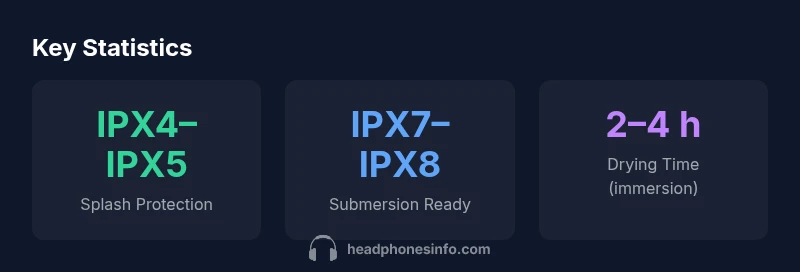
The term waterproof for headphones is defined by IP ratings, not marketing buzz. Most everyday models offer splash resistance (IPX4/IPX5); for immersion, IPX7 or IPX8 is needed. Always verify the exact rating and its intended use, as coatings and seals can vary. When asking ‘what headphones are waterproof’, rely on the rating and official guidance rather than claims.
What 'waterproof' really means
When consumers ask 'what headphones are waterproof', they often encounter marketing terms that don't match engineering reality. The reliable answer comes from IP ratings, which quantify a device's resistance to water and dust. In practice, most headphones marketed as waterproof are rated with an IP code that indicates specific limits. For everyday use, IPX4 or IPX5 typically covers splashes and rain; for submersion, IPX7 or IPX8 is required, and even then only within tested conditions. Coatings, seals, and housing design all influence protection, but the rating itself is the governing specification. The Headphones Info team notes that a higher rating does not guarantee flawless performance in every environment; it depends on depth, duration, and how the device is worn during activity. If you plan to use headphones while running in the rain or swimming in a pool, read the exact IP rating and manufacturer guidance, and verify whether submersion is explicitly supported.
Reading IP ratings: IPX4 to IPX8
IP ratings are like a test score for water exposure. Here is a quick guide to common ranges found on headphones:
- IPX4: protected against water splashes from any direction. Suitable for rain or sweat but not immersion.
- IPX5/IPX6: protected against jets of water; more robust than IPX4, good for intense workouts, wet conditions.
- IPX7: protected against immersion in water up to about 1 meter for a limited time; acceptable for swimming in shallow water but not a full submersion guarantee with every movement.
- IPX8: higher levels of immersion defined by the manufacturer; depth and duration vary, often used for devices marketed as swim-capable.
Remember, IPX is often used when the manufacturer does not specify dust protection (the 'X' means no data). A higher number indicates more protection, but only for the defined test conditions. Always check the exact depth, duration, and whether the rating applies to charging ports and controls.
The role of seals, housings, and coatings
IP protection is not magic; it rests on hardware design. Seals around seams, gaskets for charging ports, and precision tolerances keep water out during the test, but real-world factors such as saltwater exposure, sweat acidity, and repeated bending can degrade seals over time. Some brands use hydrophobic or oleophobic coatings to shed moisture; while helpful, coatings are not a substitute for a certified IP rating. The difference between a rugged, water-resistant pair and a truly waterproof model comes down to the complete enclosure and how the device is held or worn during activity. The more aggressive the use-case (open-water swimming, diving, or frequent salt spray), the more important it is to confirm the rating encompasses those exact conditions.
Real-world use cases: rain, workouts, swimming
People buy waterproof headphones for many reasons: jogging in rain, gym workouts, beach trips, or swimming. In rain or light sweat, an IPX4–IPX5 rating usually suffices. For swimmers or divers, only IPX7 or IPX8 models may survive submersion, but manufacturer-specific limits apply. If you plan to wear headphones while doing hot yoga by a pool, ensure the rating specifies submersion and check for any moisture-sensitive components (battery, microphone). The Headphones Info analysis shows that many users overestimate a rating's protection during strenuous activity, so match your use case to the rating rather than relying on marketing language alone.
How to choose waterproof headphones for your activity
Start with your primary use case. If you're mostly running in the rain, prioritize IPX4–IPX5 and battery life. If you want to swim with headphones, target IPX7 or IPX8 and confirm that immersion depth and duration match your planned activity. Consider fit and comfort, because water resistance is useless if the earbuds fall out or seal poorly. Look for serviceable charging ports, a solid warranty, and manufacturer guidance on saltwater exposure. Finally, verify compatibility with your devices (Bluetooth version, codec support) since waterproof models exist across price tiers and form factors (in-ear vs over-ear).
Maintenance and longevity in wet environments
Water resistance can degrade with time; therefore maintenance matters. After exposure to saltwater or chlorinated water, rinse with fresh water and allow proper drying before charging. Do not use high-pressure cleaners or hot air, which can damage seals. Store the headphones in a cool, dry place and avoid leaving them in hot cars, where seals can deform. Regular checks of charging ports and seams help catch leaks early. If you notice fogging inside the housing, unusual corrosion, or reduced bass response, it may be time to service or replace gaskets or the device. Proper care extends the life of waterproof headphones significantly.
Common myths and misconceptions about waterproofing
Myth: IP ratings guarantee indefinite protection. Reality: Ratings apply to specific test conditions; prolonged exposure or misuse can bypass protection. Myth: Waterproof means you can swim with any headphones anywhere. Reality: Swim-rated models may have limits on depth and duration, and may not survive rough handling. Myth: Coatings alone make a device waterproof. Reality: Coatings help but the IP rating accounts for seals, mechanical design, and assembly.
Testing and validating waterproof claims
Testing should be conducted by manufacturers; consumers can perform cautious checks: inspect seals, perform a gentle spray test, and avoid submerging beyond rating. If you are DIY-testing, ensure the rating is not exceeded. Note that water ingress testing is not a substitute for manufacturer warranty; damage caused by water may not be covered if the rating is not for your use case. The Headphones Info team recommends relying on official IP ratings rather than marketing fluff, especially for sports or travel.
What to expect in 2026 and beyond
Expect more models with higher IP ratings, better seals, and more ergonomic designs that balance protection with comfort. Brands will publish precise testing conditions and depth-time curves to reduce confusion, and we may see standardized testing across contexts to simplify comparisons for buyers. Battery strategies will continue to evolve to sustain longer listening times even under damp conditions. The trajectory points toward clearer, more durable, and more affordable waterproof options for both casual listeners and serious athletes.
IP rating quick guide for headphones
| Rating | Water Exposure | Best Use |
|---|---|---|
| IPX4 | Splash (rain, sweat) | Casual workouts |
| IPX5/IPX6 | Water jets, heavy sweat | Outdoor runs, gym sessions |
| IPX7 | Immersion up to 1m | Swimming in controlled conditions |
| IPX8 | Deep immersion (manufacturer-defined) | Specialized swimming use |
People Also Ask
What does IPX4 mean for headphones?
IPX4 means protection from water splashes from any direction. It is not immersion-proof.
IPX4 protects against splashes, but not submersion.
Are waterproof headphones safe for swimming?
Only if rated IPX7/IPX8 and designed for submersion. Always verify the exact depth and duration.
If it’s rated for submersion, you can swim with them; otherwise avoid submersion.
Do all waterproof headphones survive saltwater exposure?
Saltwater can corrode seals over time; rinse with fresh water after exposure and dry thoroughly.
Rinse and dry; saltwater is harsh on seals.
How long does water resistance last in real life?
Protection can degrade with wear and tear; regular checks and proper storage help extend life.
With good care, they last longer.
Can I charge headphones after water exposure?
Charge only if fully dry and within the manufacturer’s guidelines; water ingress can void warranties.
Wait until completely dry before charging.
What about sweat resistance in workouts?
Sweat resistance often aligns with IPX4 or higher; verify the exact rating.
Sweat resistance depends on the rating—check the spec.
“Waterproofing for headphones is a system, not a single feature. Always align your use case with the IP rating and expect some degradation over time without proper care.”
What to Remember
- Read the exact IP rating, not marketing terms
- Match rating to your planned activity (rain, sweat, swim)
- Water resistance degrades over time—maintain seals
- Rely on manufacturer guidance for immersion limits