What Size Headphones for a 10-Year-Old: A Practical Guide
Discover how to choose the right headphone size for a 10-year-old. Learn fit guidelines, safety features, and practical tips to ensure comfort and healthy listening every day.


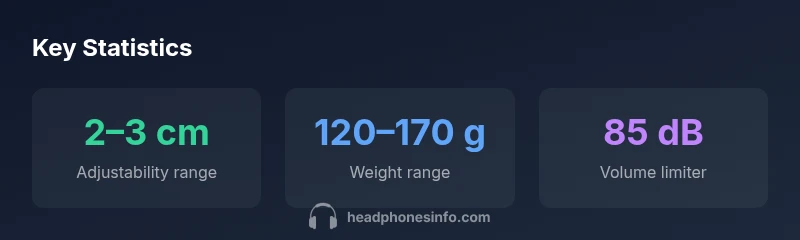
On average, a 10-year-old should use headphones with an adjustable, compact headband and over-ear cushions that fit securely without pinching. Target models with built-in volume limiting (85 dB max) and soft ear cups to minimize fatigue. In practice, try several sizes to verify comfortable wear for sessions around an hour.
Why size matters for kids
Choosing the right headphone size for a child isn’t a cosmetic preference; it directly affects comfort, concentration, and listening safety. For a 10-year-old, a snug but not constricting fit reduces ear fatigue and pressure points, enabling longer study or gaming sessions without distraction. A properly sized headphone also supports better sound isolation, which helps kids focus on what they’re listening to, whether for education or entertainment. According to Headphones Info, the ideal setup balances adjustability with lightweight materials and soft padding to accommodate growth and activity levels while keeping ears comfortably covered during extended wear.
How to measure proper fit for a 10-year-old
Start with the headband: it should extend enough to sit securely over the top of the head without exerting excessive pressure on the sides. Check ear cups by placing the headphones around the ears; they should fully encase each ear without pressing on the outer ear or glasses. Have your child wear them for a short test, then a longer trial to assess comfort. If the padding leaves marks after a few minutes or the headband feels tight, try a larger size or a different model. A flexible, springy headband and memory-foam cushions often provide the best balance of comfort and durability for a growing child.
Key features to look for in kid headphones
When shopping for a 10-year-old, prioritize three core features: (1) adjustable headband with a comfortable clamping force, (2) soft, replaceable ear pads that won’t irritate sensitive skin, and (3) a built-in volume limiter (ideally 85 dB max) or automatic volume control. Other helpful traits include a lightweight design, tangle-resistant cables, and reinforced hinges that withstand daily use. Look for models with removable or replaceable parts; this makes maintenance easier and extends the product’s life as a kid’s needs change.
Over-ear vs on-ear: which is best for children?
Over-ear headphones typically provide better passive sound isolation and distribute pressure more evenly, which helps kids wear them longer without discomfort. On-ear designs can be lighter and more compact but may apply more pressure to the ears over time. For a 10-year-old, over-ear headphones with soft padding and a secure but gentle grip are generally the better long-term choice, especially if the child uses them for study, video calls, or gaming sessions that last 30–60 minutes.
Safety and listening limits for 10-year-olds
Volume safety is essential. A 10-year-old should have access to a maximum of about 85 dB, with features like a built-in limiter or automatic volume control. Encourage listening breaks and avoid prolonged sessions at high volume. If the device supports it, enable parental controls or kid-friendly profiles that limit peak levels. In practice, teach your child to take a 5–10 minute break every 45–60 minutes to protect hearing health and maintain attention span for learning tasks.
How to test fit at home: quick checks
Set up a simple home test: have your child wear the headphones for 15 minutes while sitting still, then another test during a light activity. Check for pinching, excessive pressure, or slip-off during movement. Ensure the cable doesn’t pull the headphones when the child turns their head. Validate that the volume is comfortable and secure. If adjustments are needed, switch to another model or size rather than forcing a poor fit.
Sizing guide: common kid headphone ranges
Kid sizes typically fall into small, medium, and adjustable bands. Small sizes suit younger children with slimmer heads, while medium sizes work well for most 10-year-olds. Adjustable headbands with extendable arms can bridge wide growth ranges. Always verify fit with your child and prioritize models with soft-padding and flexible construction that can adapt as kids grow.
Care and maintenance to extend life
Proper care extends headphone life: wipe pads with a mild, damp cloth, avoid harsh cleaners, and store in a protective case when not in use. Check the cable for wear and replace parts as needed. Keeping the product away from moisture and extreme heat helps preserve sound quality and the integrity of the built-in safety features. Regular cleaning also helps prevent skin irritation for sensitive ears.
Practical buying tips: budget, brands, and warranty
Plan for a mid-range budget that balances durability with essential safety features like volume limiting. Seek reputable brands that offer kid-friendly designs, replaceable parts, and a clear warranty. Compare models by weight, adjustability, and cushioning rather than chasing the absolute lowest price. A longer warranty often signals a more durable design that stands up to daily use by active kids.
Summary of sizing recommendations
For a 10-year-old, prioritize an adjustable, over-ear design with soft padding, a secure but gentle clamping force, and a dependable volume limiter. Try multiple models to confirm a comfortable fit during typical activities, such as studying or gaming. Align your choice with safety features, durability, and ease of use to support healthy listening habits over time.
Sizing considerations for children's headphones
| Size Factor | Impact on Fit | Practical Advice |
|---|---|---|
| Headband Adjustability | Directly affects growth accommodation and comfort | Choose models with a broad extension range and padded contact |
| Ear Cup Size | Influences ear coverage and heat buildup | Select cups that fully encase ears without pressing on glasses |
| Weight | Affects comfort during longer sessions | Look for lightweight designs under 180 grams; test during active use |
| Safety features | Volume limiter and auto controls | Ensure 85 dB max and kid-friendly safety modes |
People Also Ask
What is the recommended size for a 10-year-old's headphones?
There isn't a single universal size. Look for an adjustable headband that fits a range of head sizes typical for school-age children, with soft padding and a built-in volume limiter. Try several models to confirm a secure yet comfortable fit during typical activities.
There isn't one perfect size. Choose adjustable headbands with soft padding and a volume limiter, then test several models for a comfortable fit.
Should I choose over-ear or on-ear for kids?
Over-ear designs usually provide better comfort and sound isolation for kids, distributing pressure more evenly. On-ear can be lighter but may press more on the ears over time. For most 10-year-olds, over-ear with soft padding is the safer long-term choice.
Over-ear headphones are generally better for kids due to comfort and isolation, though choose what fits best for your child.
How can you prevent headphone fatigue in children?
Select lightweight headphones with cushioned pads and an adjustable band. Take frequent breaks and limit continuous listening to about 45–60 minutes per session, especially during study tasks.
Choose light, comfy headphones and give breaks every 45–60 minutes.
Do kid headphones require a volume limiter?
A volume limiter is highly recommended for children. Many models offer a built-in 85 dB cap or safe profiles. This helps protect developing ears during daily use.
Yes, use headphones with a built-in volume limiter to protect young ears.
What features matter most for long-term use?
Durability (reinforced hinges, replaceable parts), comfort (soft padding, breathable material), and safety features (volume limiter) are the top priorities. A good warranty can also save future costs.
Durability, comfort, and safety features are your top priorities; a solid warranty helps too.
“Accurate sizing isn't just about comfort; it's a safety measure that supports healthy listening habits for growing ears.”
What to Remember
- Choose adjustable, over-ear headphones for growing kids.
- Enable a safe volume limiter to protect hearing.
- Test fit with your child before purchase.
- Prioritize lightweight, padded designs for comfort.