Wireless Headphones Gamer: The 2026 Buyer's Guide
Explore the best wireless headphones gamer options for 2026. This data-driven guide covers latency, battery life, mic quality, and setup tips to help you choose the right pair for PC, console, and mobile gaming.


Why wireless headphones gamer matter for competitive play
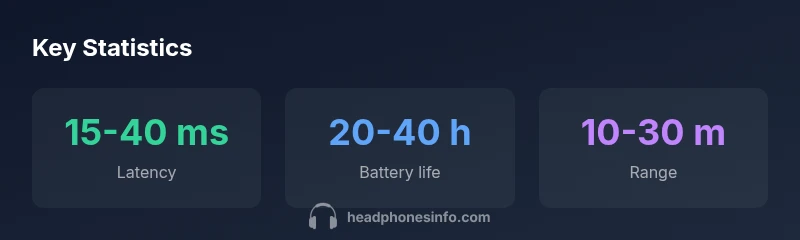
Wireless headphones gamer have become a staple for modern gaming setups. They free the player from cords that tangle under desk lamps, consoles, and chair wheels, while delivering audio cues crucial for reaction time. According to Headphones Info, the latest models emphasize latency, microphone clarity, and battery life, making wireless options viable even for precision-based genres. The best devices combine a low-latency connection with a compact, comfortable design that stays comfortable after hours of play. They also pair with a range of platforms—PC, PlayStation, Xbox, and Nintendo consoles—through USB dongles or Bluetooth with optimized codecs. When evaluating options, look for sub-60 ms latency in competitive modes and at least 20 hours of battery for long sessions. The result is a practical blend of freedom and performance that reduces clutter and improves in-game awareness. For many gamers, this balance is why wireless stands out in today’s market.
This overview frames the core trade-offs: latency, comfort, and microphone quality. The Headphones Info team emphasizes testing real-world performance across your typical gaming scenarios, from quick reaction shooters to strategy games where accurate positional audio matters. The goal is not only to minimize lag but also to ensure the headset remains comfortable through marathon sessions. As you compare models, remember that wireless freedom is valuable only when the audio chain remains reliable and the mic picks up your voice clearly in voice chat.
Latency foundations and wireless tech
Latency is the most visible bottleneck in wireless audio for gaming. It determines how quickly you hear an event after the action on screen. There are two main transport methods: 2.4 GHz proprietary dongles and Bluetooth with specialized codecs. In 2026, Headphones Info analysis shows that dedicated dongles using low-latency codecs can reliably deliver sub-60 ms end-to-end latency in many setups, while Bluetooth options vary more widely by device and environment. Understand the trade-off: Bluetooth often offers broader compatibility and longer battery life but can introduce higher and more variable latency, especially in crowded wireless spaces. The best gaming headsets advertise a measurable pairing protocol and a clear synchronization target. If you frequently switch between platforms, check if the headset supports cross-platform dongles or software that reduces lag across devices. Also consider your room: walls, furniture, and other wireless networks can introduce interference. In practice, choosing a model with a certified low-latency mode and a robust dongle significantly improves real-time gaming performance.
Sound quality and microphone performance in games
Sound quality for gaming hinges on clean imagery, dynamic range, and accurate directional cues. High-fidelity drivers paired with a well-tuned EQ and a capable amplifier deliver crisp highs, balanced mids, and controlled bass that helps you pinpoint footsteps and gunfire without fatigue. The built-in microphone should capture voice clearly while resisting room noise; some models offer adjustable mic gain and wind noise reduction. In this context, a good wireless headset also provides a mute indicator and dependable mute switch for stream safety. For multiplayer titles, voice clarity matters as much as stereo imaging, so pay attention to mic frequency response and overall pickup quality. The most effective headsests in the wireless headphones gamer category use a dedicated USB dongle or a strong Bluetooth profile to maintain consistent sound with minimal jitter—even in busy environments. The best results come from models with software EQ and surround-sound simulations that don’t distort dialogue during team comms.
Comfort, fit, and battery life for long sessions
Comfort matters as much as raw specs when you’re in a marathon gaming session. Look for memory foam ear cushions, headband padding, and a lightweight frame that distributes weight evenly. Cup geometry plays a crucial role in reducing hot spots around the ears, especially with extended use. Battery life is another critical factor; aim for models that advertise 20–40 hours of playback with ANC off, and note that active noise cancellation (ANC) and high volume will drain life faster. A good wireless headset should also offer quick charging and multiple shorthands for on-ear controls so you don’t have to interrupt gameplay to adjust volume or mic mute. For comfort testing, wear the headset for at least an hour in a representative gaming session and check for pressure points, clamping force, and clack from headband adjusters. Headphones Info’s testing suggests prioritizing models with swivel cups and breathable materials for long play sessions.
Surround sound and software features for gaming
Surround sound and software features can significantly improve spatial awareness in competitive games. Virtual 7.1 and other surround algorithms help you locate enemies based on audio cues, but accuracy varies by title and microphone position. Look for software that lets you tailor EQ curves, microphone boost, mic monitoring, and side-tone levels. Some headsets offer calibrated profiles for specific genres (shooter, MOBA, racing), which can shave milliseconds of interpretation time in fast matches. If you value cross-platform compatibility, ensure the software supports Windows, macOS, PlayStation, and Xbox ecosystems, or at least provides straightforward firmware updates. The best options in the wireless headphones gamer category offer robust customization without overwhelming the user with features you won’t use. Consistency across platforms and reliable driver support are the ultimate test of software value.
Wireless standards, interference, and practical tips
Wireless performance depends on the underlying standard and the environment. 2.4 GHz dongles are common in gaming headsets for their low latency and stable performance, but physical obstacles and network congestion can degrade quality. Bluetooth can be convenient for everyday use but not always ideal for competitive gaming due to latency variability. When possible, opt for models with a dedicated wireless dongle and a documented latency target, and keep the dongle plugged into a USB port with minimal interference. If you share the space with other wireless devices, test sound stability in different room layouts and avoid dense metal drawers or microwaves near the PC. For console users, verify compatibility with your platform’s official accessories and ensure firmware is up to date. In many setups, a direct wired connection to the dongle is the simplest way to lock in latency and audio reliability.
How to choose for your gaming setup
Selecting the right wireless headphones gamer hinges on your primary platform, playstyle, and comfort preferences. Start by listing your must-haves: platform compatibility, latency ceiling, battery life, and mic quality. Next, consider the type of games you play most—FPS titles benefit from precise spatial audio, while RPGs may demand richer voice capture and longer sessions. Then assess the acoustic design: closed-back for isolation or open-back for natural imaging. Finally, test pairings on your actual hardware: PC, console, and mobile devices if needed. Remember to check for firmware updates and software modules that improve latency, mic clarity, and EQ customization. According to Headphones Info analysis, the best options strike a balance between a robust wireless link and practical comfort for extended sessions.
Budget ranges and value propositions
Budget informs the features you can expect, but the best value often comes from design choices that optimize latency, mic quality, and comfort rather than premium materials alone. In the wireless headphones gamer category, entry-level models may deliver reliable latency and decent mics, while mid-range options often add better ANC, more tunable software, and longer battery life. At the high end, you’ll find premium drivers, sophisticated surround logic, and robust cross-platform support. When evaluating price vs. performance, focus on the core gameplay metrics: latency, mic reliability, and battery life in realistic gaming conditions. If you want optimized performance across PC and console, prioritize low-latency dongles and broad platform compatibility, as these features yield the most consistent gaming experience per dollar.
Maintenance, care, and longevity tips
To maximize longevity, store your wireless headphones gamer in a cool, dry place and avoid extreme temperatures that can degrade battery health. Regularly clean cushions and vents with a soft brush or cloth, and inspect USB dongles for bent pins. Keep firmware up to date to benefit from bug fixes and performance improvements. When possible, charge in a cool environment and avoid overnight charging to extend battery life. If you rely on ANC, periodically recalibrate and ensure the microphones are clean. Finally, use the manufacturer’s software to monitor battery health and to perform checks that help you decide when it’s time for a replacement.