Boat Headphones: Rugged Audio for Boating Environments
A data-driven guide to choosing boat headphones that withstand wind, spray, and salt while delivering solid audio, comfort, and battery life for on-water listening.


Boat headphones must survive wind, spray, and engine noise. According to Headphones Info, top picks balance water resistance, a secure, rain-ready fit, and dependable wireless performance with long wear comfort. Look for a protective seal (IP-rated), closed-back design, reliable Bluetooth, and battery life that covers multi-hour trips. They should also offer active noise cancellation that reduces wind hiss without muffling voices, plus ambient transparency for safety.
Boat Headphones: What Makes Them Different
On the water, listening conditions diverge dramatically from indoor environments. Boat headphones face wind noise, spray from waves, and the hum of engines—so they must be tougher, more reliable, and more comfortable over long wear. According to Headphones Info, the most important differences are rugged build quality, water resistance, and dependable wireless connectivity that remains steady when you’re moving or leaning against a railing. In practice, this means sealed enclosures, tighter earcup retention, and control schemes that work with gloves or wet fingers. The goal is not only great sound but predictable performance in salty air and changing temperatures. Designers also optimize for battery life so you can enjoy multi-hour listening without scrambling for a charger mid-voyage. Practical testing across boats and coastal environments shows that the best models keep audio balanced even as wind speeds rise and deck activity increases. This is where features like quick-charging and USB-C power links become valuable accessories for sailors and anglers alike.
Waterproofing, Seals, and Durability
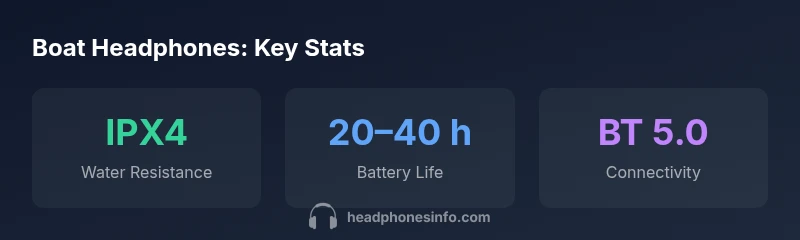
Durability on a boat starts with smart sealing. Look for IP ratings that specify splash protection and water resistance appropriate for marine use. IPX4 is a common baseline, while IPX5 or higher offers stronger spray protection. Beyond the rating, the build should minimize salt spray exposure on moving parts, with corrosion-resistant connectors and grilles. Crush tests, drop tests, and salt-spray tests are common in field evaluations to gauge real-world resilience. The materials matter too: rugged plastics, soft-touch padding that dries quickly, and replaceable accessories such as cables and ear tips extend the lifespan. In field notes, models with modular parts tend to survive longer under harsh conditions, because components can be replaced without discarding the entire set. Finally, a secure fit reduces the chance of accidental drops when the boat pitches or users lean into stowage compartments.
Sound Quality on the Water: ANC, Transparency, and Drivers
Wind noise and engine rumble can mask dialogue and bass alike. A well-tuned driver setup paired with active noise cancellation can noticeably improve clarity, but the balance isn’t trivial. On boats, the best headphones blend strong driver performance with wind-rejecting geometry and a transparent mode that lets important ambient cues through for safety. Look for dynamic drivers that handle midrange frequencies well and deliver a controlled bass without overpowering vocal clarity. For noise-cancelling designs, expect pass-through or adjustable ANC levels so you can tune the listening experience depending on boat speed and weather. A flat, balanced response is generally preferable to “fun” bass that muddies wind sounds. Overall, the top picks deliver consistent sound across different seating positions and helm angles, ensuring the same listening experience whether you’re below deck or on an exposed bow.
Wireless vs Wired: What Works on a Boat
Wireless headphones offer freedom and convenience, but boats introduce latency, interference, and range challenges. Bluetooth with a strong antenna and stable pairing can work well on deck, especially when paired with a compact, water-resistant case. Wired backups remain valuable for long anchorage periods or critical listening where latency or battery endurance is unacceptable. In many marine environments, Bluetooth 5.x with low-latency codecs is preferred, while some models offer hybrid modes that switch to a wired connection when necessary. If you expect frequent hazy days with rain or spray, prioritize models with robust wireless performance and secure, water-resistant connectors. The best solutions provide seamless handoff between devices and reliable re-pairing after being stowed or moved.
Comfort, Fit, and Wearing on Deck
Deck life requires a secure, comfortable fit that remains stable during movement. Over-ear designs can distribute pressure more evenly, but they must be light enough not to cause fatigue in salt-swept humidity. Replaceable ear pads and adjustable headbands help accommodation for hats, life jackets, or hooded jackets. Materials should dry quickly and resist salt corrosion on contact surfaces. Cable management is a practical concern if you use wired or semi-wireless configurations. In practice, models with rotating earcups, adjustable clamps, and non-slip headbands tend to stay in place when the vessel rocks. For extended listening sessions, prioritize breathability and a light, balanced weight to minimize fatigue and heat buildup under hot sun.
Battery Life, Charging, and Deck-friendly Usage
Trading off between battery life and weight is a common design challenge. On boats, extended listening is common, so choose headphones with longer rated life and efficient charging—ideally quick-charge options that restore substantial runtime in short downtimes. USB-C is increasingly standard, enabling faster top-ups from portable power banks when you’re at anchor. Consider behavior on summer days when you’re exposed to heat; heat can affect battery performance, so thermal management becomes a consideration in the design. If you’re a serious mariner, look for models with smart charging options and indicators that show remaining runtime clearly in bright daylight. Finally, ensure the carrying case is rugged and waterproof for easy stowage in damp cabins or cockpit lockers.
Care and Maintenance for Longevity
Salt, sun, and spray demand routine care. After each voyage, wipe down with fresh water and dry thoroughly to prevent corrosion on metals and switches. Store headphones in a dry, ventilated case away from direct sun to preserve battery health and padding materials. Replace worn ear tips and headbands regularly to maintain a secure fit and comfort. If your model is not being used for extended periods, store with a partial charge to protect battery cells. Regular maintenance checks on cables, connectors, and seals prevent small issues from becoming costly repairs. By following a simple care routine, boat headphones can remain reliable for many seasons and even multiple boats.
Quick Setup Guide: Choosing Your First Pair
If you’re new to boating headphones, start with a core feature list: water resistance, a secure fit, long battery life, and dependable wireless performance. Read user reviews that test real-world conditions on the water, not just studio acoustics. Compare models with similar driver sizes and impedance to estimate how they’ll sound with your preferred on-water playlists, safety audio cues, and radio communications. Consider how easy they are to operate with gloves, and whether the controls are accessible on the ear cups or the cable. Finally, verify that the included accessories—like a rugged case, extra ear tips, and a carabiner—will suit your boating routine.
Boat headphone models snapshot
| Model Type | Waterproof Rating | Battery Life | Connectivity |
|---|---|---|---|
| Wireless over-ear | IPX4 | 20–30 hours | Bluetooth 5.1 |
| Wireless on-ear | IPX5 | 15–25 hours | Bluetooth 5.0 + aptX |
People Also Ask
What makes boat headphones different from regular headphones?
Boat headphones are designed to resist water, wind, and salt spray, with secure fit and often longer battery life. They may include wind-reduction ANC and ambient transparency to keep you aware of surroundings. Durability and sealing are prioritized for outdoor use on water.
Boat headphones resist salt spray and wind, have a secure fit, and offer longer battery life. They also include features like ambient transparency for safety.
Are wireless headphones suitable for use on a boat?
Wireless headphones can be suitable on a boat if they offer robust Bluetooth performance and adequate water resistance. Ensure you have a reliable pairing system and a protective case for deck conditions. Wired backups can be valuable for critical listening duringAnchor or docking.
Yes, wireless can work well on a boat when you choose models with strong Bluetooth and water resistance. Keep a wired backup for reliability.
What IP rating do I need for boating?
Aim for at least IPX4, with IPX5 or higher providing stronger splash protection. Remember that waterproofing isn’t the same as submersion protection, so use caution around waves and spray. Check seals and charging port flaps as part of the assessment.
IPX4 is a good baseline; IPX5 or higher is better for extra protection against spray.
Do I really need ANC for boating?
Active noise cancellation helps reduce wind and engine noise but can add cost and sometimes reduce situational awareness. Look for adjustable ANC or transparency modes so you can hear important sounds when needed.
ANC can help with wind, but it's not essential. Transparency mode is a practical alternative on boats.
How should I care for boat headphones?
Rinse with fresh water after salt spray, dry thoroughly, and store in a protective case. Avoid harsh solvents and inspect seals regularly for wear. Proper care extends battery life and keeps joints and padding in good condition.
Rinse after use, dry well, and store properly. Regular checks keep them durable longer.
“Durable, water-resistant construction paired with reliable wireless performance is essential for audio on boats.”
What to Remember
- Prioritize IP-rated seals and secure fit for deck use
- Choose Bluetooth with stable range and low wind interference
- Balance battery life with comfort for long trips
- Use easy-care materials to withstand salt spray