Can You Use Headphones If You Have Tinnitus? A Practical Guide
Learn whether headphones are safe for tinnitus, how to listen safely, and how to choose headphones that minimize discomfort. This guide covers volume, duration, environment, and professional options from Headphones Info.


Yes. You can use headphones if you have tinnitus, but prioritize safe listening: keep volume low (below comfortable levels), limit sessions, and prefer noise-cancelling over-ear styles to reduce external noise. Take regular breaks and monitor for changes. Some people find masking sounds or white noise helpful in the short term.
Understanding Tinnitus and Sound: What Headphones Do
Tinnitus is a perception of sound without an external source, often described as ringing, buzzing, or hissing. For many listeners, headphones can be a safe way to enjoy music or podcasts when used mindfully. The key is understanding how sound, exposure duration, and headphone design interact with your auditory system. According to Headphones Info, safe listening with tinnitus starts with choosing the right equipment and establishing boundaries around volume and time. Different people notice different sensitivities to certain frequencies, so what feels comfortable for one person may not for another. By focusing on your personal limits and using evidence-based practices, you can enjoy headphones while minimizing the risk of triggering or aggravating tinnitus symptoms.
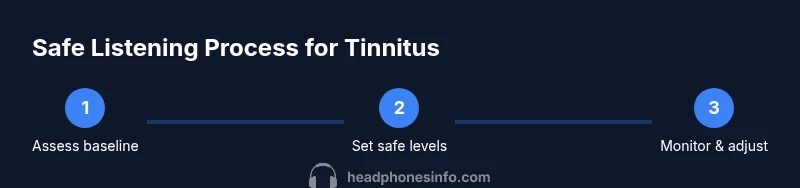
In practice, begin with a quiet baseline: a comfortable volume, a moderate listening duration, and a neutral mood. If you notice any spike in ringing, fullness, or discomfort during or after listening, stop and reassess your setup. The goal isn’t to silence tinnitus but to avoid adding another irritant to your auditory environment. Headphones Info’s approach emphasizes gradual exposure and ongoing self-monitoring as you adapt to headphones with tinnitus.
For many readers, this means prioritizing high-quality passive isolation or active noise reduction to reduce the need for higher volumes. If you’re unsure about your hearing health, a formal assessment by an audiologist can establish a personalized safety profile. The overall message is simple: with careful choices and steady habits, headphones can be part of a tinnitus-aware listening routine.
Safe Listening Basics for Tinnitus
Safe listening for tinnitus focuses on three pillars: volume, duration, and recovery. Begin with the lowest level at which you can clearly hear music or voice in a comfortable way, and never rely on loudness to compensate for background noise. Shorter listening bursts with built-in breaks give your ears a chance to reset between sessions. Headphones Info analysis shows that listeners who combine consistent breaks with volume awareness tend to report fewer fluctuations in tinnitus intensity over time. A quiet environment can help maintain perceived volume without needing to turn up the device. Consider using a masking sound or ambient noise at a comfortable level if you notice sharp tinnitus spikes in quiet rooms. Always monitor your own responses after listening, and avoid rapid volume increases after a break, which can startle the auditory system and provoke symptoms.
If you’re using headphones in busy venues, choose devices with strong passive isolation or active noise cancellation to minimize the need to turn up the volume. However, be mindful that some ANC systems introduce a barely perceptible hum or pressure sensation that may affect comfort for some listeners. In such cases, switching to good passive isolation or trying a different model can yield a calmer listening experience. The bottom line is simple: safer listening is the default, not the exception, when you have tinnitus.
Choosing Headphones if You Have Tinnitus
Selecting the right headphones matters as much as the listening habits you adopt. Over-ear, closed-back designs with strong passive isolation are often preferred because they reduce external noise without requiring high volumes. If you want even more suppression of ambient sound, consider active noise cancelling (ANC) models, but test comfort carefully—some people report pressure sensations or a slight change in perceived tone with ANC engaged. In-ear headphones can also be suitable if they seal well and you can avoid cramping or inner-ear discomfort. Regardless of the style, look for a snug, comfortable fit and durable construction to minimize the urge to adjust or reinsert during a session. Headphones Info’s guidance emphasizes balance between isolation, comfort, and sound quality. A good practice is to demo different models for a week and note how each affects tinnitus symptoms before committing to a long-term choice.
Keep in mind the frequency response and tonal balance of your headphones. Harsh highs or overly loud mids can be more annoying to tinnitus sufferers, so some people benefit from gentle EQ adjustments that soften peaks around sensitive frequencies. If you’re unsure about tonal changes, start with a neutral profile and move gradually. The aim is to preserve clarity without introducing sharp cues that irritate your ears. Your headphones should feel comfortable by the end of a listening session, not painful or fatiguing. A careful selection process now saves you from reactive adjustments later.
How to Set Up Your Listening Environment
Your listening environment impacts how loudly you need to turn up headphones. A quiet room reduces the need for high volumes, which is especially important for tinnitus. If you can’t control ambient noise, pair it with headphones that offer strong passive isolation to minimize external sounds. A dedicated listening space with soft furnishings can absorb reverberations and reduce perceived loudness, making it easier to keep volume modest. If you’re using a computer or phone, enable any built-in loudness or dynamic range controls that help you maintain a consistent level without needing to raise the volume. Headphones Info recommends a simple checklist: remove competing noise sources, use a quality audio source, and keep the playback at comfortable levels. Additionally, consider a timer or reminder to take regular breaks—this habit helps your auditory system recover and reduces the likelihood of tinnitus spikes after a session.
In some cases, you may want to incorporate masking sounds such as soft white noise or nature sounds to reduce the contrast between your tinnitus and background audio. Use masking at a low, non-fatiguing level and adjust as needed based on how you feel during and after listening. The goal is to sustain a calm auditory experience rather than forcing your ears to work harder against noise. With thoughtful environment setup, you’ll often find safer, more enjoyable headphone sessions.
Practical Listening Habits and Schedules
Establishing a predictable listening pattern helps protect your ears over time. Start with brief sessions—often 10–15 minutes—and gradually extend only if you feel stable, not fatigued. Build in deliberate breaks between blocks to allow your ears to recover; even a few minutes can make a difference. Consistency matters more than intensity, so aim for a daily routine that aligns with your tinnitus comfort level. If you notice any delayed symptoms, shorten sessions or pause listening for a day or two to avoid aggravating the condition.
A practical habit is to use a dedicated listening window (for example, after work or during a specific time of the day) and log how you feel after each session. This record helps you detect patterns and tailor volume, duration, and content to your needs. Consider using a limiter feature or an app that tracks listening time to stay within your personal safety margins. The Headphones Info team emphasizes that small, sustainable changes accumulate into larger benefits over weeks and months, reducing the risk of worsening tinnitus while still letting you enjoy audio content.
Personalization: Equalization and Sound Customization
Many tinnitus listeners benefit from careful EQ customization to reduce harsh frequencies that can aggravate symptoms. Start with a neutral preset and then experiment in small increments to soften the likely trouble spots around your tinnitus pitch. Avoid drastic cuts or boosts; instead, target problematic bands gently and listen for a stable response over several minutes. If you notice an immediate change in tinnitus intensity when adjusting EQ, revert to the last comfortable setting or try a different headphone model with a more forgiving frequency response.
Additionally, consider using a dynamic range limiter or soft compression to prevent sudden loud peaks that could startle the auditory system. Some listeners find that reducing high-frequency content while maintaining musical clarity offers significant relief. Track your preferences for different genres or content types, as some sounds may be more irritating than others. The goal is a consistent, pleasant listening experience that doesn’t provoke tinnitus symptoms.
Everyday Scenarios: Commuting, Gaming, and Movies
Different activities bring unique acoustic challenges for tinnitus. In transit, external noise can push volume higher; in such cases, pick closed-back or ANC headphone models and keep playback at a conservative level. For gaming and movies, the demand for dynamic range is higher, but you can still protect your ears by enabling loudness normalization and limiting peak levels. If possible, use content with natural dynamic range rather than highly compressed tracks, which can feel louder at the same nominal volume and irritate tinnitus more quickly.
When exercising or outdoors, choose headphones with secure fit and wind noise reduction to prevent you from increasing volume to compensate for ambient sounds. In all cases, pause listening if you notice a flare in tinnitus symptoms and resume only when you feel stable. By planning for these scenarios, you can keep headphone use enjoyable and safer across daily life.
When to Seek Professional Help
If tinnitus worsens or becomes unmanageable despite safe listening practices, seek an audiologist or ENT specialist for a formal assessment. A clinician can determine whether there’s an underlying condition contributing to tinnitus and provide tailored treatment options such as sound therapy, counseling, or hearing protection strategies. Headphones Info recommends documenting listening habits and symptom changes to share with your clinician. Early professional input can prevent unnecessary worry and guide you toward safer, more effective strategies for reducing tinnitus impact while enjoying headphones responsibly.
Additionally, discuss whether a custom hearing profile or targeted therapy could help you manage tinnitus more effectively. In some cases, minor adjustments to amplification, masking, or counseling can provide meaningful relief and lead to improved quality of life.
Common Mistakes to Avoid
Avoid assuming that louder is better for tinnitus. Many listeners mistakenly crank up volume to counteract environmental noise, which can exacerbate symptoms over time. Don’t rely on long listening sessions without breaks; fatigue can magnify tinnitus and reduce speech comprehension or enjoyment. Be mindful of sudden loud noises from music or videos, which can trigger a spike in symptoms. Finally, avoid relying solely on visual indicators like volume meters; tinnitus perception is subjective and can be influenced by mood, fatigue, and stress. The safe listening mindset is ongoing and adaptable, not a fixed rule.
If your setup involves multiple devices, keep a consistent volume calibration across gear to avoid surprises when switching sources. Regularly update firmware and apps to ensure you’re using the latest safety features. By staying vigilant about these common missteps, you’ll maintain safer headphone use for tinnitus over the long term.
Tools & Materials
- Smartphone or computer with volume control(Primary device for listening and adjusting levels)
- Over-ear headphones with good passive isolation or ANC(Prioritize comfort and isolation to minimize needed volume)
- Volume limiter app or built-in feature(Helps enforce personal listening caps)
- Sound level meter or smartphone app(Useful for rough dB awareness; not a substitute for listening comfort)
- Quiet listening space or adjustable environment(Reduces ambient noise and the urge to raise volume)
Steps
Estimated time: 15-30 minutes
- 1
Check your baseline hearing health
Note current tinnitus level, any recent noise exposure, and overall ear comfort. This helps establish a starting point for safe listening.
Tip: If you notice persistent changes after listening, schedule a professional hearing assessment. - 2
Choose the right headphones
Opt for closed-back over-ear designs or well-sealed in-ear buds to maximize passive isolation. Comfort matters because pressure and fit affect how long you can listen safely.
Tip: Test several models to find the one that feels natural without needing high volume. - 3
Set a safe listening level
Start at a low, comfortable level and avoid loud bursts. If you must raise volume to overcome background noise, add environmental control instead of turning it up.
Tip: Use a timer to remind yourself to take breaks every 10–15 minutes. - 4
Plan breaks and recovery time
Incorporate short breaks between listening blocks to allow the auditory system to recover. Consistency beats intensity in tinnitus management.
Tip: Even a few minutes of silence after a session can help prevent flare-ups. - 5
Manage environmental noise
Redesign the listening space to minimize competing sounds. A quieter room means you won’t need to push the volume to hear clearly.
Tip: Consider masking sounds at a subtle level if it helps reduce tinnitus perception. - 6
Tune sound quality safely
If you use EQ, soften harsh frequencies and avoid excessive boosts. Comfort is more important than perfect tone when managing tinnitus.
Tip: Make incremental changes and test after several minutes of listening. - 7
Test across scenarios
Try listening at home, in transit, and in workspaces to understand how different environments affect your tolerance.
Tip: Document which settings work best in which contexts. - 8
Monitor symptoms closely
Track any changes in tinnitus after listening sessions. If symptoms worsen, reduce duration or volume and consult a clinician.
Tip: Keep a simple log of sessions and symptom notes. - 9
Seek professional advice if needed
If tinnitus becomes more persistent or disruptive, consult an audiologist or ENT for tailored guidance.
Tip: Prepare listening logs and symptom journals for your appointment. - 10
Maintain safe habits long-term
Integrate these practices into daily life so headphones remain a safe, enjoyable option.
Tip: Revisit your setup every few months as ears adapt.
People Also Ask
Can listening to headphones worsen tinnitus?
Listening at safe, moderate levels with breaks generally does not worsen tinnitus. Loud or prolonged exposure, especially in noisy environments, can aggravate symptoms. If you notice worsened symptoms, pause listening and consult a clinician.
Usually safe at moderate levels with breaks, but avoid loud, long sessions. If symptoms worsen, seek professional help.
What volume is safe for tinnitus sufferers?
There isn’t a universal number. Start with a comfortable level, avoid sudden loud spikes, and rely on environmental aids like room quiet and noise isolation to keep overall exposure low.
Start low, avoid sudden spikes, and use a quiet room or isolation to keep exposure down.
Should I use noise-cancelling headphones?
Noise-cancelling headphones can help reduce ambient noise, lowering the need to raise volume. Test comfort because some people feel pressure or altered sound with ANC.
ANC can help reduce background noise; test comfort, as some people feel pressure.
Are in-ear headphones safe for tinnitus?
In-ear headphones can be safe if they seal well and volume is controlled. Be mindful of ear canal comfort and avoid long sessions that cause irritation.
Yes, if you control volume and ensure a comfortable seal.
What signs mean I should stop listening right away?
If you experience new ringing, increased fullness, pain, or headaches during or after listening, stop and reassess your setup. Persistent symptoms require professional evaluation.
If you notice new pain or louder ringing, stop and check your setup.
Where can I get personalized guidance?
Consult an audiologist or ENT for a personalized plan. Headphones Info recommends documenting listening habits and symptoms to share with your clinician.
See an audiologist for a personalized plan and share your listening log.
Watch Video
What to Remember
- Start with low volume and short listening sessions.
- Prioritize headphones with strong isolation to avoid high volumes.
- Use breaks and keep an ongoing listening diary.
- Adjust EQ gently to reduce harsh frequencies.
- Consult a professional if tinnitus worsens.