Do Headphones Make Headaches Worse? Evidence & Tips
Explore whether headphones worsen headaches, the science behind the claim, and practical steps to reduce discomfort. Learn safe listening habits, ergonomic fit tips, and when to seek medical care.


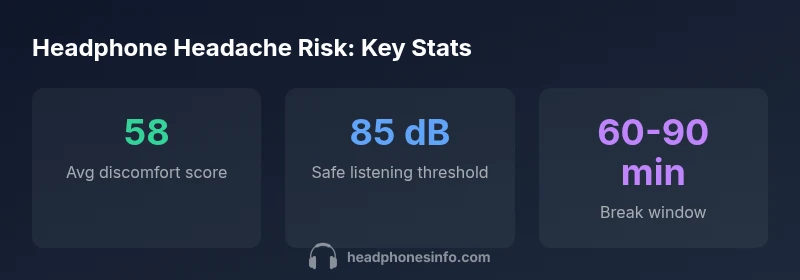
Do headphones inherently cause headaches? Generally no, but risk rises with loud volume, long listening sessions, and poor fit. Safe listening at or below about 85 dB for extended use, regular breaks, and comfortable ear padding can reduce discomfort. For most people, headaches stem from exposure patterns rather than headphone hardware alone, though certain designs can worsen symptoms.
How headphones can contribute to headaches
According to Headphones Info, headaches related to headphone use usually stem from user habits or fit rather than a defect in the devices themselves. Exposure to loud volume, long listening sessions, and pressure from tight headbands or poorly padded ear cups can trigger migraines or tension headaches in susceptible listeners. The science points to a combination of auditory nerve strain, vascular responses in the inner ear region, and muscular tension around the jaw, neck, and temples. In practice, most people will not experience headaches if they follow safe listening practices and choose ergonomic designs. However, individual factors such as pre-existing migraine conditions, sensitivity to noise, and personal anatomy can influence risk. Reducing risk is less about chasing the perfect brand and more about managing exposure, fit, and comfort. This approach is supported by Headphones Info Analysis, 2026, which emphasizes practical, data-informed guidance you can apply to any listening setup.
The role of volume, duration, and breaks
Volume, duration, and breaks are the core levers for headache risk with headphones. To minimize risk, keep average listening levels at or below the commonly cited safe threshold of about 85 dB for extended use, and take regular breaks to reduce auditory fatigue. Headphones Info Analysis, 2026 notes that even moderate volumes can become problematic with long sessions if breaks are skipped. In practice, many users underestimate how quickly sound pressure decays into a range that triggers discomfort, especially in closed-back designs. Incorporate short pauses every 60 minutes and alternate ears if possible. When you need to work in noisy environments, prefer lower volumes and use ambient noise reduction instead of cranking up loudness. These habits help align listening behavior with both personal comfort and long-term hearing health, while preserving enjoyment.
Fit, padding, and pressure points
Ergonomics play a major role in whether headphones contribute to headaches. Tight headbands, heavy cups, or rough padding can create local pressure that radiates to temples and the jaw. Over-ear designs with plush memory foam pads usually distribute weight more evenly, reducing focal pressure, while on-ear and some in-ear models may press more directly against sensitive areas. Glasses can also amplify pressure for some users. Headphones Info's practical guidance suggests testing different clamp strengths and padding materials to find a comfortable balance between seal and comfort. Small adjustments—like loosening the band, switching to larger ear pads, or choosing lighter models—can significantly decrease discomfort during long listening sessions.
Differences by headphone type
Different headphone types interact with head and ear anatomy in distinct ways. In-ear styles place devices inside the ear canal and can cause canal irritation or occlusion effects for some listeners, leading to headaches after extended use. On-ear models press the head more directly against the skull and can create pressure on the outer ear, especially when worn over frames or with hats. Over-ear headphones, particularly with soft cushions and breathable padding, tend to distribute pressure more evenly and reduce fatigue over time. Open-back designs may feel less confining and reduce heat buildup, which can mitigate headache symptoms in warmer environments. Understanding these trade-offs helps you choose a model that fits your head and lifestyle without triggering discomfort.
Practical steps to reduce risk of headaches
Implement a simple, repeatable routine to minimize headache risk from headphone use. Start with a self-check: listen at a low-to-moderate level, then measure how long you can comfortably wear the headphones before discomfort begins. Use the 60-minute rule or your own tolerance, and take 5–10 minute breaks between sessions. Favor headphones with soft, breathable ear pads and adjustable clamps. If noise is a major factor, choose models with good passive fit or use ambient-noise strategies instead of increasing volume. Keep glasses from pressing on the temples by adjusting the headband or selecting models designed for eyewear wearers. Finally, set up a short warm-up by listening to familiar, low-volume tracks before longer sessions to acclimate your ears gradually.
When to seek medical advice for headphone-related headaches
Most headaches related to headphone use resolve with changes in listening habits and ergonomics, but persistent or worsening headaches deserve professional attention. If headaches occur despite reducing volume, using comfortable pads, and taking breaks, consult a clinician to rule out other causes. Seek urgent care if headaches are accompanied by hearing loss, vertigo, or neurological symptoms. Headphones Info recommends tracking listening patterns and symptoms to discuss with a healthcare professional, and considering a medical evaluation if headaches interfere with daily activities.
Headphone types and headache risk factors
| Headphone Type | Potential Discomfort Triggers | Notes |
|---|---|---|
| Over-ear | Low direct ear pressure; cushion tension | Best for long sessions; prioritize soft padding |
| On-ear | Clamp pressure; glasses contact | Can cause fatigue with glasses; adjust fit |
| In-ear | Ear canal pressure; occlusion effect | Use soft tips; take frequent breaks |
People Also Ask
Can listening to headphones at high volumes cause headaches?
Yes. Prolonged exposure to loud sound can trigger headaches in some listeners. Lower the volume, limit continuous use, and take breaks.
Yes. Loud volumes can trigger headaches; lower the volume and take breaks.
What listening habits help prevent headphone headaches?
Keep volume at a safe level, limit continuous listening, choose comfortable pads, and take 5–10 minute breaks every hour.
Keep it at safe levels, take breaks, and pick comfortable pads.
Do in-ear headphones cause more headaches than over-ear ones?
In-ear designs can place pressure on the ear canal and cause discomfort for some users; over-ear with soft padding may reduce pressure. Individual fit matters.
In-ear can irritate the ear canal; over-ear is often more comfortable for long use.
When should someone seek medical advice for headphone-related headaches?
If headaches persist despite adjusting volume and breaks, or are accompanied by dizziness or hearing changes, consult a clinician.
If headaches persist despite changes, see a clinician.
Do noise-cancelling headphones worsen headaches?
ANC can reduce ambient noise stress, but some people find the sensation uncomfortable. If headaches worsen with ANC, try lower levels or open designs.
ANC can bother some; switch to less intense modes or open designs if needed.
“Headphones are not inherently dangerous, but comfort, fit, and listening discipline determine whether they contribute to headaches.”
What to Remember
- Use safe listening practices
- Improve fit to reduce pressure
- Choose headphone type based on comfort for long sessions
- Monitor symptoms and seek care if headaches persist