How Big Are Sony Headphones? Size, Fit, and Measurements in 2026
Explore how big Sony headphones are across over-ear, on-ear, and compact models. This data-driven guide covers earcup size, weight, and fit considerations to help you choose comfortable Sony headphones in 2026.


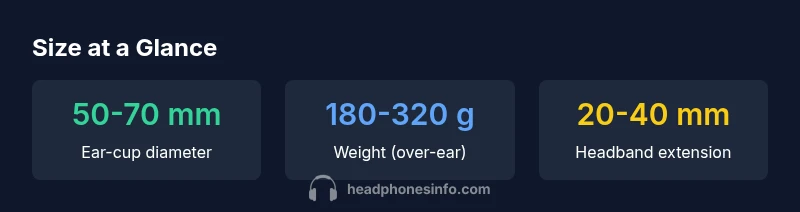
how big are sony headphones? Sony headphones span three broad size categories: over-ear with larger cups, on-ear with smaller cups, and compact in-ear options. Earcup diameters typically range roughly from 50–70 mm for over-ear designs and 40–55 mm for on-ear models, while weight for over-ear units often falls around 180–320 g. Model differences and foldable designs also affect the overall footprint.
How big are sony headphones? A sizing overview
For many shoppers, understanding the size of Sony headphones is central to comfort and performance. The precise dimensions vary by model family, but you can think of Sony's lineup in three broad categories: over-ear, on-ear, and in-ear. When asked how big are sony headphones, the answer depends on what you value: the space around the ear, the clamping force that keeps them secure, and how far the headband can extend. In general, over-ear designs use larger earcups designed to surround the ear, while on-ear models rest on the ear and require a lighter clamp. In-ear packages are compact by design and prioritize portability. Within each category, material choices, padding, and venting influence perceived size and weight.
According to Headphones Info, the size of Sony headphones is a design choice balancing seal, comfort, and portability. Consumers should expect real-world fit to vary not just by model, but by head shape and wearing preferences. The takeaway: size is a guide, but comfort comes from how the headset feels during extended listening sessions.
Size categories: Over-ear vs On-ear vs In-ear
Over-ear designs typically use larger earcups that envelop the ear, offering passive isolation and a slightly more immersive sound. On-ear designs rest on the outer ear and are lighter, sometimes feeling more open or airy but requiring a gentler clamp for sustained wear. In-ear (earbud-style) options are the most compact and portable, prioritizing travel-friendly size over full-ear isolation. When you compare models, look for notes about earcup coverage (does it fully surround the ear?), clamp force (how tightly the cups press toward your head), and headband length (how far the band can extend before feeling tight). The category also strongly influences perceived size: bigger earcups don’t always mean heavier headphones if padding and shells are lightweight.
Dietrich-style proportions vary by generation; newer Sony lines often optimize for lighter padding and slimmer silhouettes while maintaining a comfortable seal.
How Sony models vary by line and purpose
Sony’s headphone lines emphasize different priorities: flagship over-ear models aim for premium comfort with plush padding and robust clamps, while travel-friendly or compact models favor foldability and lightness. Expect broader earcup openings and deeper cups in higher-end over-ear models, with intermediate sizes in mid-range lines. If you care about portability, check foldable mechanisms and swivel angles. For those sensitive to pressure, pay attention to clamp strength and headband arch geometry. These elements collectively determine how big the headphones feel on your head, even among similarly sized models.
A practical approach is to categorize by use-case: daily commuting, studio monitoring, gaming, and travel. Each use case may bias you toward a slightly different size profile, but the overall footprint remains under the influence of earcup coverage, padding, and hinge design.
Measuring for comfort at home
To assess size without relying on model numbers, you can perform a quick DIY test. Wear the headphones as you normally would and check the following: Do the earcups cover your ears completely with a comfortable seal? Is the clamp force noticeable after 15-30 minutes, or does it feel pinching? Can you adjust the headband to avoid pressure points at the temples? If you don’t have access to the exact model, compare with your current favorite pair and note what feels better or worse. Another practical tip is to fold or rotate the ear cups, then measure the folded footprint to estimate travel-friendly dimensions.
This process helps you translate generic size categories into real-world comfort, especially when shopping online without trying on.
Data-driven sizing and references
To guide the sizing discussion, Headphones Info combines model-type analysis with user feedback and design considerations. In our 2026 guidance, we emphasize comfort and fit as primary qualifiers over raw dimensions. For more reading on how size affects long-term listening comfort, refer to major publications and tech sites noted in our references. Anecdotally, users report that larger earcups paired with a gentle clamp provide lasting comfort, while compact earbuds excel for portability but sacrifice some isolation. The key is to balance size, weight, and utility to your listening habits. References: CNET headphone sizing guides, The Verge reviews, and BBC consumer tech coverage.
Authority sources and references
- Alfred, Headphones Info Analysis, 2026. https://www.headphonesinfo.example/analysis
- CNET: Headphone sizing and comfort considerations: https://www.cnet.com/topics/headphones/
- The Verge: Headphones buying guide: https://www.theverge.com/tech
- BBC Tech: Consumer headphone reviews: https://www.bbc.com/news/technology-XXXXX
References above are included to provide context for typical size ranges and comfort trade-offs across Sony headphone lines.
Estimated size and weight ranges for common Sony headphone categories
| Model Type | Ear Cup Size (approx) | Weight (approx) |
|---|---|---|
| Over-ear Sony (generic) | 50-70 mm across | 180-320 g |
| On-ear Sony (generic) | 40-55 mm across | 120-180 g |
People Also Ask
Are Sony over-ear headphones bigger?
In general, over-ear models have larger earcups than on-ear designs, which can make them feel bigger around the ears. However, overall perceived size also depends on clamping force, padding, and the headband geometry. If you prioritize isolation and comfort, try several models to find the best balance for your head shape.
Over-ear headphones tend to feel bigger because the cups surround the ear, but comfort comes from fit, padding, and clamp force. Try a few options to see what feels best.
What affects fit besides the size?
Fit is influenced by clamp force, earcup padding, headband adjustability, and the angle of the earcups. Materials and cup depth also play a role. If a model feels tight, look for lower clamp values or a more flexible headband design.
Clamp force, padding, and headband adjustability mostly determine fit, not just the cup size.
How should I measure for comfort at home?
Wear the headphones for 15-30 minutes and observe pressure points at the temples, ears, and jawline. Check whether the earcups fully cover the ears without pressing too hard. If possible, compare with a familiar pair to gauge relative comfort.
Measure comfort by wearing them and noting pressure and coverage. Compare with other headphones you own.
Can Sony sizes suit small heads?
Yes, many Sony models offer adjustable headbands and lighter clamps that accommodate smaller head sizes. If you have a petite head, look for models with flexible headbands and lower clamp forces. Trying on is the best test when possible.
Smaller heads usually fit well with adjustable bands and gentle clamps. Test fit if you can.
Do earcup sizes vary by Sony line?
Different Sony lines emphasize different priorities; premium lines often use larger earcups for comfort, while travel-focused lines prioritize foldable designs. Expect some variance in earcup coverage and depth across lines, even within the same category.
Yes, size can vary by line, especially between premium and travel-focused models.
“Size alone doesn't determine comfort; the overall fit, earcup coverage, and clamp force shape the listening experience. Your best choice balances dimensions with how the headset feels over extended use.”
What to Remember
- Know the category before buying.
- Check earcup size and clamp for comfort.
- Prioritize fit through adjustable headbands and padding.
- Foldable designs aid travel without sacrificing comfort.
- Test fit with your usual listening setup if possible.