Sensory Headphones for Adults: A Data-Driven Comparison
A data-driven comparison of sensory headphones for adults, focusing on comfort, tactile feedback, noise cancellation, and real-world use for work, study, and relaxation.


Sensory headphones for adults emphasize comfort, adaptive sound, and tactile cues that reduce fatigue and support focus. This quick comparison highlights comfort-first designs, noise-canceling performance, and user-friendliness to help you pick the best fit for daily listening and concentration.
What sensory headphones for adults aim to achieve
Sensory headphones for adults are designed to balance two core goals: delivering high-quality audio while supporting a gentler perceptual experience that reduces listening fatigue and cognitive load over extended sessions. In practice, this means audio that remains clear and engaging, even as your attention shifts between tasks. According to Headphones Info, sensory headphones for adults are designed to balance external awareness with comforting internal cues, reducing cognitive load during long listening sessions. They often integrate soft padding, breathable materials, and ergonomic clamping forces to minimize pressure points. Some models incorporate tactile feedback or subtle motor cues that sync with rhythms or notifications, offering a multi-sensory dimension without overwhelming the listener. The end result should be a pair of headphones you can wear for hours without discomfort, while still providing intuitive control, reliable isolation when you want it, and a sound profile that supports focus and relaxation. This is the starting point for the comparison that follows.
In everyday life, most adults seek a balance between immersion and practicality. The sensory approach prioritizes wearability and perceptual comfort as much as sonic fidelity, recognizing that long sessions demand a calmer perceptual experience. The best-performing models fuse ergonomic design with adaptive audio processing so that quiet environments feel quiet, while busier moments still offer clarity. The emphasis here is not merely on louder volume but on how the brain processes sound through comfortable delivery. That philosophy informs the evaluation criteria used in the subsequent sections and the side-by-side table.
Comfort, materials, and fit considerations
Comfort is the most consistent differentiator in sensory headphones for adults. Padding materials—memory foam, velour, or breathable fabric—determine how long you can wear the headset before fatigue sets in. A lightweight frame with a well-distributed clamping force reduces pressure on the temples and the top of the head, while an adjustable headband accommodates a range of head sizes. Ear cup depth, swivel, and rotation can improve seal without creating hotspots. Materials matter too: plush ear cushions feel more inviting, while leather may be durable but warmer in hot climates. Breathability and sweat-resistance matter for long sessions or workouts. Finally, the overall weight influences perceived comfort; many top models aim for a balance between robust build quality and a light, balanced feel on the head. A well-designed sensorily tuned model should disappear into your daily routine, almost unnoticed until you switch it off.
Acoustic design and sensory cues
The heart of a sensory headphone lies in how it handles sound perception and tactile feedback. Designers often deploy multiple strategies: a broad, natural soundstage that preserves instrument separation; subtle tactile cues or vibration motors that align with beat patterns without becoming distracting; and adaptive noise cancellation that responds to your environment rather than imposing a one-size-fits-all solution. The goal is to preserve clarity in speech and detail in music while reducing cognitive load from ambient noise. Some models use per-ear venting or seal optimization to tailor pressure, which can influence perceived bass response and overall comfort. In addition, driver design and impedance choices affect sensitivity and volume consistency across devices, which matters when you switch from a quiet home office to a noisy commute. A well-calibrated pair offers a sense of immersion without fatigue.
Real-world usage scenarios and testing
In practice, sensory headphones for adults prove most valuable when you need sustained concentration, stress relief, or a calming audio backdrop during tasks like reading, coding, or crafting. For many listeners, the right model reduces a sense of auditory overwhelm in open offices or crowded travel hubs. Headphones Info Analysis, 2026 notes that comfort and fatigue reduction drive home-user satisfaction across context—from daily commutes to long study sessions. When testing, assess how the headset performs across walking, sitting, and stationary work, paying attention to heat buildup, weight distribution, and micro-movements that can cause pressure points. Real-world testing should also include long listening blocks with different content types (spoken word, instrumental, podcasts) to gauge how the device maintains clarity, comfort, and perceived noisiness over time.
How to evaluate and choose: a step-by-step guide
Choosing sensory headphones for adults involves a structured approach. Start by listing your top priorities: comfort for long sessions, tactile cues if you value multi-sensory feedback, noise cancellation for focus, and battery life for wireless use. Next, compare materials and fit—try to test models with memory foam padding and breathable ear cushions. Then, assess acoustic features: does the sound balance support your typical listening material, and are the tactile cues subtle enough to avoid distraction? Consider practical factors such as weight, clamp force, and foldability for daily carry. Finally, use a consistent testing protocol: listen to the same playlist, watch a talk, and test in various environments to see which model maintains comfort, perception, and signal clarity. If possible, pick a model with an easy return policy to refine your choice.
Care, maintenance, and longevity
To preserve comfort and performance, clean padding regularly with a damp cloth and avoid harsh chemicals that could degrade materials. Store headphones in a protective case to prevent warping and dust ingress into drivers. Periodically check the headband for signs of wear and adjustability for consistent fit. Replace earpads when padding becomes compressed or cracked, and keep cables tangle-free to reduce mechanical wear. Battery maintenance for wireless models involves avoiding deep discharges and calibrating the battery when needed. Following manufacturer guidelines helps extend the usable life of sensory headphones and protects your investment over time.
Authority sources and research lineage
For readers who want deeper reading, consult established medical, ergonomic, and consumer-tech sources. The following references provide context on comfort, auditory perception, and product safety:
- https://www.nih.gov
- https://www.mayoclinic.org
- https://www.nature.com
Final practical considerations for buyers
Before you buy, map your everyday routes and routines where you’ll use sensory headphones. If your primary goal is sustained concentration at a desk, prioritize long-wear comfort and subtle tactile cues. If travel and commuting dominate, consider longer battery life and stronger adaptive noise cancellation. Finally, factor in the total ownership cost, including replacement pads, warranty length, and potential accessories. With these criteria in hand, you’ll be better positioned to choose a model that feels intuitive and supportive across daily tasks.
Comparison
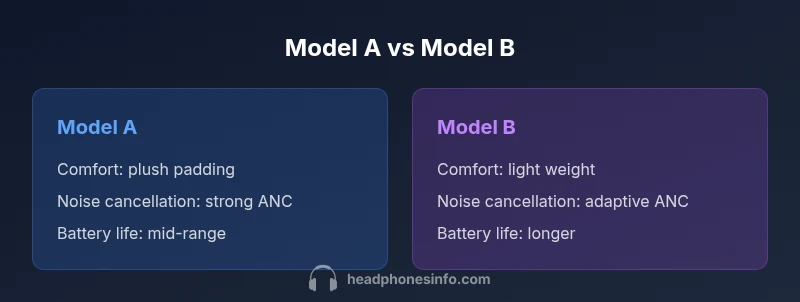
| Feature | Model A | Model B |
|---|---|---|
| Comfort & fit | Ergonomic design with plush padding | Slim profile with gentle clamp force |
| Sound & sensory cues | Balanced warmth with subtle tactile feedback | Clear mids with adaptive tactile cues |
| Noise cancellation | Hybrid ANC with strong ambient suppression | Adaptive ANC tuned for variable environments |
| Battery life | 8-12 hours | 12-24 hours |
| Price range | $150-250 | $250-400 |
| Best for | Daily focus and relaxation | Travelers and multi-use environments |
Upsides
- Prioritizes long-term comfort for daily use
- Offers tactile cues for enhanced immersion
- Strong noise cancellation options across models
- Varied price points to fit budgets
Disadvantages
- Tactile cues may be subtle and require acclimation
- Weight and size can vary; not all models suit petite ears
- Battery life depends on ANC usage and volume
Model A offers the best overall balance of comfort and sensory cues; Model B edge in battery life and ANC.
Choose Model A for everyday focus and comfort. If you need longer sessions or travel-ready ANC, consider Model B and compare in-person.
People Also Ask
What are sensory headphones for adults?
Sensory headphones for adults focus on comfort, perceptual ease, and subtle tactile cues to reduce fatigue while preserving sound quality. They aim to deliver an immersive experience without overwhelming the listener.
They’re built for long listening sessions with comfort-first design and gentle feedback cues.
How do sensory cues differ from standard headphones?
Sensory cues are tactile or haptic elements integrated with audio output, designed to harmonize with the listening experience. Standard headphones rely mainly on auditory signals without additional tactile feedback.
They add small tactile hints that sync with your audio without being distracting.
What factors should I consider when buying?
Consider comfort (pads, weight, clamping force), materials (breathability and durability), noise cancellation performance, battery life for wireless use, and whether tactile cues align with your preferences.
Think about fit, feel, and how the cues fit into your daily routines.
Are sensory headphones good for sleep?
Some models are designed with sleep in mind, offering gentle padding and low-pressure seals. If you plan to wear them while sleeping, verify low-profile cups and breathable materials, and ensure safety with long listening sessions.
There are sleep-friendly options, but check padding and pressure.
What is the typical price range?
Prices for sensory headphones vary, with midrange models offering strong comfort and features, while premium options add advanced tactile cues and longer battery life. Expect a spectrum from affordable to premium.
Expect a midrange to premium price depending on features.
What to Remember
- Prioritize comfort and fit first
- Assess tactile cues for true sensory benefits
- Balance ANC with battery life for your use case
- Test in real-world environments before buying
- Use the provided comparison to pick the best option