Can 2-Year-Olds Wear Headphones? Safety Guide
Learn whether can can 2 year olds wear headphones, safety limits, kid-friendly options, volume guidance, and practical tips for travel, sleep, and everyday use.


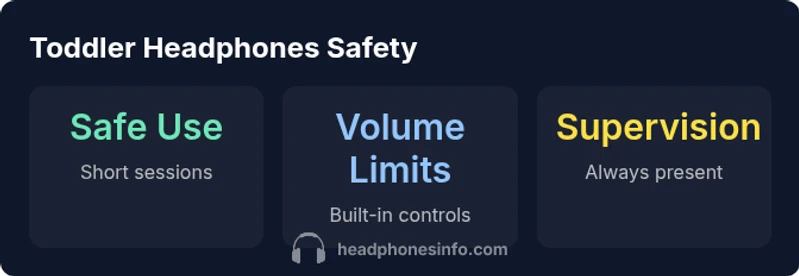
Can 2-year-olds wear headphones? Yes, but only with safety-first limits: choose volume-limited, kid-sized headphones and supervise use. Most guidelines from Headphones Info Analysis, 2026 suggest avoiding long listening sessions and watching for signs of discomfort. For bedtime or travel, consider non-intrusive alternatives like sleep masks or low-noise audio to stay within gentle limits. Consult pediatric guidance if concerns arise.
Safety Foundations for Toddlers and Headphones
Can 2-year-olds wear headphones? This is a common question for parents and caregivers navigating early sensory experiences. According to Headphones Info, toddlers can use headphones, but only under strict safety rules and with age-appropriate hardware. The Headphones Info team emphasizes that any listening should be short, supervised, and limited to devices designed for children. Start with a calm, trial period to observe comfort and tolerance, and never force a child to wear devices for extended periods. In practice, select models that are labeled for kids, have built-in volume limits, and feature gentle, lightweight cushions. Consider the child’s head size, ear shape, and clothing comfort, because ill-fitting gear can cause discomfort and resistance. Finally, pair headphone use with other engaging activities so listening remains a choice, not a requirement. If problems arise—unwillingness to put on the headphones, pulling at the band, or red ears—pause use and consult a pediatrician if concerns persist.
What to Look for in Kids' Headphones
Choosing headphones for a 2-year-old means prioritizing safety, comfort, and durability. Look for built-in volume limits, typically adjustable up to a gentle maximum, and automatic shut-off after short play sessions. Soft, breathable headbands and replaceable ear pads reduce irritation during longer wear. The best kid-friendly models are lightweight, have rounded edges, and come with a snug but comfortable fit for small heads. Prefer wired connections to avoid battery hassles, but if you choose wireless, verify that charging is simple and that the device has a straightforward parental control interface. Also check safety certifications and material quality to minimize allergic reactions or skin irritation. Finally, verify that cables are tangle-resistant and that the product offers a breakaway or safety feature if yanked. By prioritizing fit, materials, and reliability, you’ll reduce resistance and make headphone time more pleasant.
How to Use Headphones Safely with a 2-Year-Old
Effective headphone use requires a simple routine and ongoing supervision. Begin with very short sessions while you model proper listening behavior. Always ensure the device is volume-limited and that the child is seated in a calm, distraction-free space. Check that the headphones fit gently and do not press on the ears or temples. Monitor for signs of discomfort, such as pulling at the band, red ears, or fussiness, and pause immediately if any arise. Use headphones as a part of an activity rather than a requirement—combine listening with picture books, songs, or language games. Establish a clear shut-off time and provide a comforting transition when listening ends. If your child shows reluctance, respect the boundary and revisit when they’re more receptive. Consulting a pediatrician is advisable if there are persistent concerns about hearing or ear health.
Alternatives to Headphones for Sleep and Travel
Not every quiet moment needs headphones. For sleep and travel, consider non-intrusive options such as soft fabric pillow speakers placed near the head or a caregiver's voice playing softly. White-noise machines or nature sounds can provide soothing ambience without direct ear contact. If you do use a headphone-like device, choose models designed for sleep with ultra-soft pads and a very light fit. Avoid overuse during naps or bedtime and switch to comforting activities when possible. The goal is to reduce anxiety around sounds while protecting ears, not to create dependence on headphones for every activity.
Signals That Headphone Use Is Not Suitable
Be alert for clear signals that headphones are not appropriate for your child at this time. If the child consistently pulls away, rubs or scratches the ears, or shows headaches, fatigue, or dizziness after listening, discontinue use. Irritability, trouble sleeping, or fear during wear are red flags. In such cases, revert to alternatives and discuss concerns with a pediatrician if symptoms persist. Remember that toddlers' hearing is still developing, and any discomfort warrants stopping use and reevaluating the approach.
Practical Setup: Volume Limits, Fit, and Supervision
A practical setup can maximize safety and comfort. Start with a model that offers reliable, kid-friendly volume control and a low-profile headband. Ensure a snug, comfortable fit across the ears without excessive pressure. When possible, test the device together with your child, adjusting the clamp force, ear pad softness, and cable length to avoid tangling. Establish a short listening window with built-in breaks and use a timer or caregiver-led cue to end sessions. Keep headphones out of reach when not in use to reduce curiosity-driven attempts to play with them. Regularly inspect the headphones for wear and tear and replace any damaged parts. Finally, always supervise toddlers during listening sessions and use headphones as a guided, enjoyable activity rather than a passive habit.
Choosing Between Wired vs Wireless for Toddlers
Both wired and wireless options have trade-offs for toddlers. Wired headphones are simple, require no charging, and reduce the risk of Bluetooth exposure or weak battery alarms. Wireless models offer cord-free freedom and easier movement, but require charging and a known safe volume setting in the parental app. For toddlers, a wired solution with a fixed volume setting is often the simplest and most predictable choice. If you opt for wireless, choose a model with automatic volume limit, a sturdy build, and a straightforward pairing process. Regardless of type, ensure the design is compact, light, and comfortable for little heads, with soft ear cushions and a secure but gentle fit.
Safety guidelines for toddler headphone use
| Category | Ear Safety Guideline | Best Practice |
|---|---|---|
| Volume target | < 60% of max volume | Keep sessions short and supervised |
| Headphone type | kid-sized over-ear | Closed-back for noise isolation |
| Usage duration | short sessions with breaks | Combine with breaks and non-screen activities |
People Also Ask
Are headphones appropriate for a 2-year-old?
Headphones can be appropriate for a 2-year-old when safety features are in place, use is supervised, and sessions are short. If signs of discomfort appear, discontinue use and revisit later.
Headphones can be okay for a toddler if you pair them with safety features and careful supervision.
What safety practices should I follow when giving headphones to a toddler?
Choose kid-sized models with volume limits, test fit together, supervise during use, and set clear end times for listening.
Pick kid headphones with a volume limit, test them with your child, supervise, and set a time limit.
Should I use wired or wireless headphones for toddlers?
Wired headphones are simple and reliable. If you choose wireless, ensure volume limits and easy operation with a safe charging routine.
Wired is usually simpler for toddlers; if wireless, look for built-in volume limits and straightforward use.
Are there sleep-focused headphones suitable for toddlers?
Sleep-focused headphones exist but may be uncomfortable for some toddlers. Consider soft pillow speakers or caregiver-led audio for bedtime.
Sleep headphones can work, but try softer bedside options first.
What are non-headphone alternatives for quiet time?
Non-headphone options include white noise machines, caregiver storytelling, and gentle music played from speakers at a safe distance.
Try white noise or caregiver-led stories instead of headphones.
“Toddlers can use headphones when safety features are in place and use is supervised for short periods.”
What to Remember
- Start with safety-first headphones for toddlers
- Prioritize volume limits and comfortable fit
- Supervise listening and keep sessions brief
- Consider non-headphone alternatives for sleep/travel