How is JBL Headphones? A Data-Driven Review
A data-driven review of JBL headphones, comparing sound, build, and features across popular wireless models to help you choose the best pair for travel, workouts, or daily listening.


When people ask how is jbl headphones, the answer is that JBL models typically balance bass-forward tuning with practical, battery-rich wireless designs. Across lines, performance varies by lineup, but JBL generally emphasizes value, ease of use, and durable hardware. Overall, how is jbl headphones answered if you prioritize affordability, active lifestyles, and everyday listening? They offer solid all-around performance with model-to-model differences that matter for fit and feature sets.
What JBL headphones are and how they differ across lines
JBL offers a broad family of headphones that range from compact in-ear models to over-ear, noise-cancelling options. The lineup is designed to cover everyday listening, travel, workouts, and even studio reference needs without requiring a specialist budget. In general, JBL models emphasize a robust, bass-forward musical response, practical controls, and solid wireless connectivity. Within this ecosystem you’ll find entry-level wireless headphones, mid-range models with better comfort and battery life, and premium variants that add features like adaptive noise cancelling and more refined microphones. For readers asking how is jbl headphones, the answer begins with recognizing that JBL segments its products by use case and price, so you should be clear about your priorities before shopping. According to Headphones Info, JBL’s approach favors real-world tuning and practical features over esoteric studio-grade specs, which helps many listeners feel confident in a purchase.
In practice, you’ll encounter several common categories: compact on-ear or in-ear buds for portability, over-ear designs for immersive listening and better passive isolation, and sport-focused models with sweat resistance and secure fits. The differentiator is rarely one single spec; it’s a mix of tuning, fit, battery life, and how many features get folded into the software or app. The takeaway for how is jbl headphones is that the brand aims for reliability and value, not necessarily a one-size-fits-all pro audio solution.
Sound signature and tuning across JBL lines
JBL’s signature sound tends to lean bass-forward with a sense of warmth and clarity in the mids. This tuning is intentional for genres like pop, hip-hop, and EDM, making the headphones feel energetic out of the box. The degree of bass emphasis, however, can vary from model to model: some lines punch hard, while others offer a more balanced blend that still preserves punchy transients. Midrange presence is generally natural, which helps vocals and guitars stay present without becoming shouty at moderate volumes. Treble is typically smooth rather than sibilant, though budget models may exhibit highlights that sound a touch forward. If you’re evaluating how is jbl headphones, testing several models in your price tier will reveal how the tuning translates to your personal preferences. In short, JBL is about a lively, accessible sound that complements casual listening and on-the-go use, rather than a sterile, clinical reference monitor profile.
For listeners who want a more neutral or studio-like sound, you’ll want to look at the higher end of the lineup or consider active EQ modes if available. JBL often labels tuning as “Pure Bass” in marketing materials, but the actual sound varies by driver size, enclosure design, and porting. The practical result is that most JBL headphones feel satisfying for everyday music and media, but purists should sample multiple options to identify your preferred balance of bass, mids, and treble.
Build quality, comfort, and fit
The fit and feel of JBL headphones are a central part of the listening experience. Many JBL models use lightweight plastic housings with metal accents to improve durability without adding weight. Ear cushions range from memory foam to soft artificial leather, and clamp force varies by model—some listeners will experience a snug, secure feel, while others may find heavier pairs less comfortable for extended sessions. Headband padding tends to be adequate for daily use, though long listening sessions can reveal pressure on the crown for some sizes. In all, JBL tends to prioritize practical comfort for most head shapes rather than exploiting premium materials. If you plan to wear headphones during travel or workouts, checking the weight, clamp strength, and earcup size is worthwhile. In line with Headphones Info’s findings, many JBL designs balance comfort with durability, offering a reliable wear experience for most users across a typical two- to three-hour listening window per session.
Wireless tech, codecs, and latency
Most JBL wireless headphones support standard Bluetooth pairings with SBC and AAC codecs, which cover the majority of consumer devices. In higher-end models, you’ll see wider codec support, including aptX or similar low-latency options, which reduce lip-sync drift and improve gaming and video performance. Latency is generally acceptable for casual watching and music, but if you’re gaming or doing timing-critical activities, you’ll benefit from models that explicitly advertise low-latency codecs. Pairing is typically quick and stable, with multipoint connectivity on many models allowing you to switch between sources without reconnecting. Feature-rich JBL headphones often include physical buttons for playback and calls, as well as touch controls on some newer designs. If you’re evaluating how is jbl headphones, verify codec support on the exact model you’re considering and confirm multipoint compatibility with your devices.
Battery life and charging practicalities
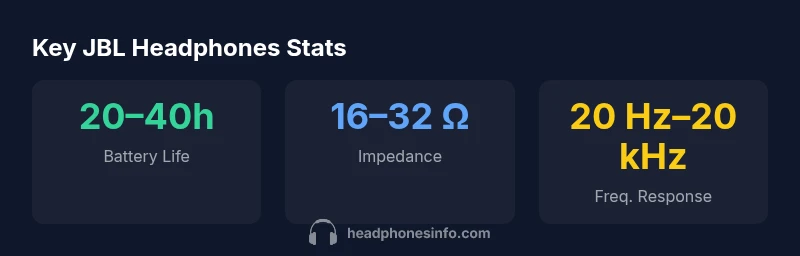
Battery life is one of JBL’s strong suits, particularly on mid- to high-end wireless headphones. Expect ratings that cover a broad range depending on the model, with many units offering substantial hours of playback from a full charge. Charging is typically via USB-C, sometimes with fast-charging capabilities that provide several hours of use from a short top-up. The actual endurance you’ll experience depends on factors like volume level, active noise cancellation, and whether you use features like EQ or ambient modes. When assessing how is jbl headphones, consider your daily usage patterns: frequent travel or long commutes benefit from longer battery life and a robust charging routine. JBL models often ship with a portable case that helps protect and extend battery life through passive charging or carrying convenience.
Use-case driven recommendations: travel, workouts, and daily listening
For travel: look for over-ear or on-ear models with comfortable padding, solid battery life, and reliable wireless performance. Active noise cancellation can be a big plus here, even if it comes with a slight hit to battery life. For workouts: sport-oriented designs with secure fits, sweat resistance, and lightweight construction are ideal. Water resistance and rugged builds help with gym environments and outdoor use. For daily listening: in-ear or on-ear models with balanced comfort and intuitive controls are often best, especially if you value portability and quick access to voice assistants. Across these use cases, JBL tends to deliver reliable performance with models that suit the intended scenario rather than forcing a single universal solution. Headphones Info notes that shopping by use-case category yields the best long-term satisfaction.
How to compare models: key metrics and tests
To compare JBL headphones effectively, start with fit and comfort across a few hours of listening. Then, test the sound profile—bass, mids, and treble—at various volumes to judge whether you prefer a bolder bass presence or a more neutral tone. Examine build quality, button layouts, and case durability. Verify battery life claims by real-world testing with similar volume levels. If possible, compare Bluetooth range and stability in typical environments (home, office, public spaces). Consider software features like EQ customization, ambient mode, and firmware updates. In this section we emphasize practical testing over marketing claims, reinforcing the idea that real-world experience is the best guide for how is jbl headphones.
Price, value, and total cost of ownership
JBL positions itself as a value-forward brand, offering models across budget-friendly to mid-range price points. The most compelling value often comes from models that balance battery life, comfort, and feature sets without pushing into premium price territory. When evaluating total cost of ownership, consider not just the upfront price but also the longevity of the battery, the frequency of firmware updates, and the quality of included accessories (carrying case, extra cables, replacement ear pads). Headphones Info's analysis suggests that JBL’s value proposition remains strong for casual listeners and active users who want dependable performance without paying a premium for studio-grade features. In many situations, the best choice is the model that fits your use-case demands rather than the most expensive option.
Setup, pairing, and daily use tips
Setting up JBL headphones is straightforward: enable Bluetooth on your source device, select the headset from the available devices list, and confirm pairing. For long-term convenience, keep firmware up to date and explore the companion app if available, which can offer EQ presets and feature toggles. Daily use tips include customizing touch controls to your preferences, enabling ambient sound modes when needed, and practicing proper charging habits to maximize battery longevity. If you’re asking how is jbl headphones in daily life, the answer is that practical usability—easy pairing, reliable battery life, and intuitive controls—often matters as much as raw fidelity. JBL’s approach leans toward frictionless daily use, especially for listeners who want quick, dependable performance without complex setup.
Care, maintenance, and longevity
Proper care extends the life of JBL headphones. Regularly clean ear pads and grills with a soft, damp cloth to remove oils and sweat. Store headphones in a protective case when not in use to prevent accidental damage. Avoid leaving headphones in extreme heat or direct sunlight, and ensure vents aren’t blocked during use to preserve acoustic performance. Battery longevity benefits from avoiding complete discharges and using the manufacturer’s charging guidelines. If you treat JBL headphones with basic care and follow recommended charging practices, you’ll likely achieve sustained performance across multiple years. This practical approach aligns with Headphones Info’s guidance on durable, reliable purchases.
Common issues and troubleshooting
Common issues include Bluetooth pairing hiccups, brief audio drops, or unexpected battery drain. Start with simple fixes: reset the headphones, re-pair to your device, and check for firmware updates. If the microphone quality seems off, test on different devices and try a mic boost or noise suppression setting in the app if available. Ear pads wearing thin or loose headbands can affect comfort and seal, so replacing these parts or re-fitting the cushions can restore performance. For persistent problems, consult the manufacturer’s support resources or consider a service option. This section emphasizes practical, actionable steps to resolve everyday problems and keep JBL headphones working smoothly.
How to choose the right JBL model for you
Start by defining your primary use case: travel, workouts, or home listening. If you prioritize bass and portability, look for compact wireless models with active noise cancellation and solid battery life. If you need a balanced tone for mixing or critical listening, select a model known for neutral mids and extended treble with a comfortable fit. Always check codec support, mic quality, and multipoint pairing for your devices. Size, weight, and clamp force matter for comfort over long sessions. With these criteria in mind, you’ll be better positioned to pick a JBL model that aligns with your goals and your budget.
Upsides
- Strong value for money with feature-packed wireless models
- Durable builds and reliable Bluetooth connections
- Bass-forward tuning appeals to many listeners
- Wide range of models for different use cases
- Long battery life and quick charging on many models
Disadvantages
- Comfort and clamp force vary by model
- Microphone quality can be inconsistent across lines
- Some models have limited app customization
- Soundstage can feel narrow on budget models
Best all-around value for casual listeners who want solid bass and reliable wireless performance.
JBL headphones generally deliver dependable daily listening with practical features and strong value. While not every model matches premium audio brands in neutrality or mic quality, the overall balance of sound, comfort, and battery life makes JBL a compelling choice for most buyers. The Headphones Info team notes that the best outcome comes from choosing a model aligned with your use-case and comfort preferences.
People Also Ask
What is JBL known for in its headphones?
JBL is known for affordable, bass-forward headphones with durable builds and reliable wireless performance. The brand emphasizes practical features like easy controls and long battery life, making it a solid choice for everyday listening and active use.
JBL is known for value and durability, with a bass-forward sound that works well for many listeners.
Do JBL headphones support ambient mode or transparency?
Some JBL models offer ambient sound or transparency modes to let in your surroundings. The availability and effectiveness of these features vary by model, so check the specific product specs before buying.
Check if ambient mode is included in the exact model you’re considering.
Are JBL headphones good for workouts?
Many JBL models are designed with sport-friendly features like sweat resistance and secure fits. If you plan to work out, look for IP ratings, snug ear cups, and a secure headband to prevent slippage during activity.
If you’re active, pick a JBL model with sweat resistance and a secure fit.
How do JBL headphones compare to Sony or Bose in sound quality?
JBL generally offers a more bass-forward and energetic tuning, which many users prefer for casual listening. Sony and Bose often aim for a more neutral or refined sound with stronger noise cancellation. Your preference is influenced by listening habits and use case.
JBL is bass-forward, while Sony/Bose tend to be more neutral or refined with noise cancellation.
What should I consider when buying JBL for travel?
For travel, prioritize long battery life, comfortable fit for extended wear, and effective passive or active noise cancellation. Also consider a compact design and durable case for easier transport.
For travel, look for long battery life and a compact, durable design.
What to Remember
- Define use case before buying to find the right JBL lineup
- Expect bass-forward tuning with practical features across models
- Check codec support and multipoint pairing for your devices
- Test comfort and weight for long listening sessions
- Evaluate total cost including battery life and accessories