How to deal with headphone cord: practical care and repair
Learn practical, safe techniques to manage, repair, and protect headphone cords. From tangling prevention to minor repairs and storage tips, extend cord life with actionable steps.


Whether you are wrestling with a stubborn knot, frayed insulation, or a stressed plug, this guide shows how to deal with headphone cord safely and effectively. You’ll learn preventive habits, simple repairs, and maintenance tips to extend cord life without risking damage to your headphones or devices. By following a step-by-step approach, you can reduce tangling, wear, and supply-chain delays from cord failures.
Why headphone cords are prone to wear and tangling
Cords are thin, flexible conductors that carry audio from your device to your ears. They bend, twist, and rub against hair, clothing, and device hinges, which over time creates micro-tears in the insulation and weakens the plug area. Repeated winding around the headset increases stress near the jack, accelerating failure. According to Headphones Info, the most common culprits are sharp bends near the plug, loose strain relief, and gathering dust inside the 3.5 mm socket. Understanding these failure modes is the first step in learning how to deal with headphone cord more effectively. By recognizing wear patterns, you can intervene early, choose durable accessories, and adjust how you handle the cord during daily use.
Identifying the most common problems
The typical issues fall into three categories: tangling and knotting, insulation frays, and plug end wear. Tangled cords develop kinks that stiffen over time, making further bending worse. Frayed insulation exposes copper and increases crack risk if the cord is pulled. Worn plugs can leave the device noisy or inaudible. Headphones Info Analysis, 2026, finds that these failure modes are strongly influenced by handling habits and the type of cord. For example, cotton braids and fabric sleeves can disguise wear until a break occurs. Recognizing these patterns helps you decide whether to apply simple fixes, replace sections, or seek a full cord replacement.
Everyday habits to prevent tangling
Preventing problems is easier than fixing them. Use a lightweight clip or carabiner to secure cords when not in use. Coil the cord gently in a figure-eight instead of wrapping tightly around the device. Store headphones in a soft pouch, away from metal keys or coins that can press into the insulation. When winding the cord around a device, avoid tying knots or pulling tight. These small habits reduce stress at the most vulnerable points and extend the life of the cord.
Tools and accessories that help
Having the right tools on hand makes repairs safer and neater. For a DIY approach, assemble basic items like heat-shrink tubing of assorted sizes, electrical tape, scissors, and a heat source. Cable ties and a soft sleeve or spiral wrap can provide durable strain relief. If you plan to replace a worn connector, carry an appropriate replacement plug. Keeping these tools handy reduces the temptation to improvise with unsafe methods.
Step-by-step overview: turning a plan into action
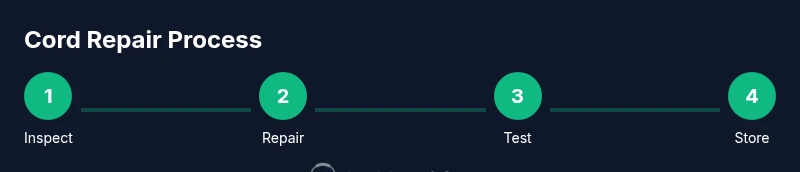
This overview covers the practical approach to how to deal with headphone cord worn areas. You will inspect the cord, choose a repair strategy, reinforce vulnerable spots, and test the result. Each step emphasizes safety and minimal change to the overall audio experience. If you encounter heavy damage or fear over heating elements, stop and seek professional help. The following steps are designed for common wired and hybrid cords found in consumer headphones.
Safe repair techniques you can perform at home
Begin by cleaning the damaged area and preparing the workspace. Slide a piece of heat-shrink tubing over the intact portion before you cut away any damaged segment. If insulation is only slightly damaged, you can wrap the affected area with electric tape and then seal it with a matching layer of heat shrink. Always apply heat gradually from a distance, turning the cord slowly to avoid overheating. Do not apply heat directly to the plug contacts. Let the repair cool completely before testing.
Strengthening and protecting the cord ends: strain relief
End sections near the jack and the earpiece are the most common failure points. Use a combination of heat-shrink and a short length of flexible spiral wrap to create robust strain relief. Secure the wrap with a couple of cable ties or tape, ensuring there is no pressure on the plug. This simple reinforcement reduces micro-motions that fatigue the insulation. If your cord uses a removable plug, consider replacing the plug with a sturdier model rated for frequent bending.
Cord storage and travel strategies
Develop a consistent storage routine to minimize tangling during transit. Use a small pouch or designated pocket in your bag and keep cords loosely coiled in a gentle loop. For travel, a fabric cord sleeve or a spiral wrap tucked inside a protective case reduces snagging. When you remove the headphones, always use the same unwrapping direction to avoid twisting. These habits help maintain cord integrity while on the move.
When to replace and warranty considerations
Some damage just cant be fixed with repairs. If you see multiple wear points, persistent kinks that reappear after repairs, or cracks that extend through the insulation, replacing the cord or the headset is often more practical. Check the manufacturers warranty for terms related to cord replacement. In many cases, a replacement will be faster and cheaper than repeated makeshift repairs, and it preserves audio quality and safety.
Tools & Materials
- Heat-shrink tubing (assorted sizes)(Choose sizes to fit cord diameter; use dual-wall for best insulation)
- Electrical tape(Seals heat shrink and adds extra insulation)
- Scissors(For trimming damaged sections cleanly)
- Heat source (heat gun preferred; a hair dryer or lighter can work briefly)(Apply heat gradually and keep away from plug contacts)
- Cable ties (zip ties)(For securing strain relief without adding pressure)
- Spiral wrap or protective sleeve(Adds durable external protection and guides cord routing)
- Replacement plug (optional)(If connector is severely worn, consider upgrading)
Steps
Estimated time: 30-60 minutes
- 1
Inspect the cord and unplug
Power down devices and gently inspect the entire length for obvious damage, cracks, or exposed copper. Note areas that show wear and plan your repair strategy.
Tip: Take a photo of the damaged area for reference before you modify the cord. - 2
Decide repair vs replacement
If damage is isolated to a small section, repair is often feasible. Widespread insulation wear or multiple weak points usually warrants replacement.
Tip: If the plug area wiggles or feels loose, replacement may be safer. - 3
Prepare workspace and measure
Clear a clean surface, gather tools, and measure how much of the cord must be removed if you must cut away damaged material.
Tip: Mark the cut area with a light pen to ensure a straight, neat edge. - 4
Slide heat-shrink into place
Before cutting, slide a piece of heat-shrink tubing over the intact portion to cover the repair later.
Tip: Choose a slightly longer sleeve than the expected repair to ensure full coverage. - 5
Cut away damaged insulation
Carefully remove only the damaged section, exposing clean conductor. Do not nick wires or cut near the plug.
Tip: Work slowly and check both strands for continuity with a multimeter if available. - 6
Apply heat-shrink and seal
Position the tubing around the repaired area and apply heat evenly until it snugly seals. If needed, add a second layer for extra protection.
Tip: Keep heat at a safe distance and rotate the cord to prevent overheating one spot. - 7
Reinforce with tape and optional wrap
Wrap the repaired area with electrical tape for added insulation, then cover with heat shrink if you choose.
Tip: Wrap clockwise and maintain even tension to avoid forming new tangles. - 8
Create strain relief
Add a small amount of spiral wrap or a short length of flexible tubing at the plug and earphone ends to reduce flex stress.
Tip: Avoid tightening the wrap around the plug; leave a small free span for movement. - 9
Test and observe
Attach to a low-volume source and verify both channels are clear. Check for warmth or smell during extended use.
Tip: If any abnormal heat appears, stop and reassess the repair. - 10
Store and maintain
Put the cord into a soft pouch or sleeve and keep it away from keys and metal objects. Practice gentle coiling to minimize future wear.
Tip: Always store cords separately from other gear to prevent tangling.
People Also Ask
What is the best way to prevent headphone cords from tangling?
Store cords with clips or soft wraps and avoid tight knots. Gentle coiling and dedicated pouches reduce knots and kinks.
To prevent tangling, use clips or wraps and store cords in a pouch; keep coils loose.
Is repairing a frayed cord safe?
If insulation is damaged, repair with proper heat shrink or seek professional service. A frayed cord can pose short-circuit risk.
A frayed cord should be repaired properly or replaced to avoid electrical hazards.
When should I replace the cord instead of repairing it?
If multiple wear points exist or repairs keep failing, replacement is usually more cost-effective and safer.
If repairs keep failing, it’s time to replace the cord.
Can third-party accessories void my warranty?
Some manufacturers restrict third-party repairs; check warranty terms before modifying. When in doubt, contact support.
Check warranty terms before modifying, and contact support if unsure.
How long can a well-maintained cord last?
Lifespan varies with use. Clean storage and gentle handling can noticeably extend cord life.
Proper care can extend cord life.
What about different connector types (3.5mm, USB-C, Lightning)?
Repair steps differ by connector. Look for guides specific to 3.5 mm, USB-C, or Lightning cords.
Different connectors need different repair approaches.
Is it safe to use heat to repair a cord?
Heat shrink is common and safe when used correctly. Avoid overheating and protect electronics from heat.
Heat must be controlled to avoid damage.
Watch Video
What to Remember
- Plan repairs before starting
- Use proper strain relief at ends
- Reinforce with heat shrink and tape
- Store cords properly to prevent tangling
- Replace when warranty or safety concerns arise