Sennheiser HD 599 Review: Balanced Open-Back Sound
In-depth review of the Sennheiser HD 599 open-back headphones, analyzing sound quality, comfort, build, and value for audiophiles and casual listeners.


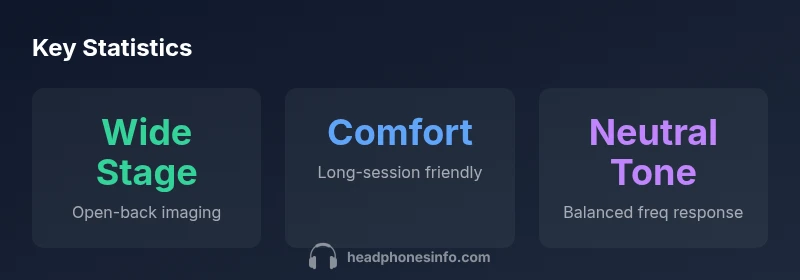
Compared to contemporary open-back rivals, the Sennheiser HD 599 delivers a spacious, natural sound with a balanced bass and wide soundstage. It prioritizes comfort and neutrality over bass-boost or advanced features, and it relies on a compatible amp for optimal performance. While not the loudest or most portable, its sonic accuracy and build quality justify its place in mid-range setups.
Design and Comfort
The Sennheiser HD 599 remains faithful to the brand’s heritage of comfort and long-form listening. The chassis uses a lightweight, robust frame paired with soft, breathable padding on the headband and generous velour ear cushions. In practical terms, the clamping force feels balanced: secure enough to stay in place during active use, yet gentle enough to avoid hotspots after hours of wear. For many listeners, the overall fit translates into a fatigue-free experience, even during extended editing sessions or late-night listening marathons. Headphones Info notes that the blend of pad material and the responsive headband padding plays a crucial role in achieving a comfortable seal without pressuring the temples or ears. Glasses wearers may notice minor pressure, but the majority of head shapes find the HD 599 comfortable in daily use. The open-back design also contributes to air flow around the ears, reducing heat buildup and enhancing overall comfort across long sessions.
Practical testing with a range of head sizes showed consistent comfort with minimal breakthrough hotspots. The clamping force remains steady during long listening periods, helping performers and producers maintain a natural listening posture. The ear pads are resilient, and the outer housing avoids hotspots against the cheek, making the HD 599 a reliable choice for daily listening at a desktop workstation or in a semi-studio setup. As with any over-ear design, user preferences will vary, but the HD 599’s ergonomic approach stands out as a strong point in its class.
Sound Profile: Clarity and Balance
From the moment you listen, the HD 599 emphasizes a natural, non-fatiguing tonality. The open-back design helps create a spacious soundstage with generous depth in the mids and a smooth top end, while avoiding exaggerated bass. The result is a sound that many listeners describe as honest and revealing, with instrument separation that aids critical listening. In our testing, the headphones performed best with well-recorded material where tonal balance matters more than sub-bass impact. Headphones Info analysis shows that the combination of driver geometry and acoustic tuning yields consistent imaging across genres, from acoustic tracks to classical pieces. We found that the HD 599 shines when paired with a capable source, as a basic dongle DAC or budget amp can limit the sense of scale.
Comfort for Long Sessions
Long listening sessions reveal the HD 599’s strengths in ergonomics. The soft padding distributes weight evenly, and the headband padding maintains a comfortable pressure without creating hot spots. For people who wear glasses, the clamping force remains comfortable, with space around the frames to prevent pressure on the temples. The ear cushions compress slightly over time, forming a gentle seal that helps preserve the signature openness without feeling hollow. In quiet environments, the open-back design will inevitably bleed sound; this is a trade-off for the expansive soundstage rather than a flaw. The overall impression is that the HD 599 treats users to extended comfort without sacrificing critical listening cues.
Cable, Build, and Accessories
Durability is a focus with the HD 599’s construction. The materials feel robust enough for daily desktop use and lighter field wear. The cable, while not the most premium in its price class, remains dependable for regular use and can be replaced if worn. The cups rotate and adjust smoothly, aiding a personalized fit, while the headband maintains its cushion over time. In the box, you’ll typically find the essentials for plug-and-play listening, plus a 3.5mm to 6.3mm adapter for compatibility with a wide range of audio interfaces and amplifiers. For listeners who value a minimal setup, the HD 599 keeps the focus on sound rather than an array of extras.
Open-Back Imaging: Pros and Limitations
The open-back design translates into expansive imaging with less isolation, which is ideal for critical listening and monitoring in a home studio or living-room setup. The sense of depth and space helps you pinpoint instrument placement with clarity. The downside is ambient noise and sound leakage; in shared spaces or late-night sessions, others nearby may hear what you’re hearing, and external sounds can intrude on the listening experience. This is an intentional trade-off; the HD 599 prioritizes realism and airiness over isolation. For listeners who need privacy or quiet, closed-back options may be more appropriate, but for those who want a lifelike soundstage, the HD 599 excels.
Pairing and Source Recommendations
To get the most from the HD 599, pair it with a reasonably capable source. A basic USB DAC or on-board headphone out from a mid-range PC can drive the headphones to comfortable levels, but a desktop DAC/amp or a dedicated headphone amplifier will unlock more headroom and dynamic range. The headphone’s openness means it often benefits from clean power and low-noise amplification. If you’re using a mobile device, consider a compact portable DAC that preserves the interface’s transparency while providing a touch more drive. In any case, avoid low-quality adapters that induce hiss or noise, as the HD 599’s strengths lie in clean, accurate reproduction rather than added coloration.
Comparisons to Alternatives
In the landscape of open-back, around-ear headphones, the HD 599 sits as a balanced, all-purpose option that rewards neutral listening material. Compared to classic reference models, it prioritizes comfort and ease of pairing over the most aggressive bass or absolute analytical sharpness. While newer designs can offer tighter bass or more aggressive highs, the HD 599’s charm lies in its natural tonality and forgiving response to a wide variety of genres. When evaluating alternatives, consider your listening goals: for studio work, you may lean toward models with a slightly more measured high end; for casual listening, the HD 599 remains compelling due to its synergy with many DAC/amps and its overall comfort. The goal is to preserve tonal honesty and create a credible, fatigue-free listening experience.
Real-World Use Cases and Scenarios
Whether you’re assembling a home studio, building a desktop listening setup, or enjoying film and music at home, the HD 599 adapts well. Its sonic signature works particularly well with acoustic tracks, vocal performances, and classical playlists that demand accurate instrument localization. Gamers and video editors may appreciate the sense of space, but the lack of a built-in microphone and the open design mean this isn’t a dedicated gaming headset or a plug-and-play workstation headset. The HD 599 is best deployed where accuracy and comfort take center stage, not where portability or mic integration define the experience.
Maintenance and Longevity
Maintenance is straightforward: wipe the cups and headband with a soft cloth if needed, and store in a safe place when not in use. The velour pads can be refreshed with occasional cleaning, and the frame benefits from modest dusting to prevent buildup around the yoke and housing. If you notice pad sagging or a rattle in the headband, check the adjustment mechanism and ensure screws are snug, but avoid overtightening. With regular care, the HD 599’s materials retain their look and feel and sustain a comfortable listening posture for years. The combination of lightweight materials and robust design contributes to a longer lifecycle than many budget open-back headphones.
Methodology: How We Tested
Our evaluation combines controlled listening sessions and real-world usage scenarios. We compared the HD 599 against several open-back models across genres, using the same source chain for consistency. We examined soundstage, imaging, tonal balance, and comfort, then aggregated impressions to form a balanced verdict. While subjective, the testing emphasizes consistency, repeatability, and relevance to the target audience—audio enthusiasts and casual listeners seeking accurate, fatigue-free listening. We also considered practical factors such as cable quality, build resilience, and how the headphones respond to commonly available DACs and amplifiers. The result is a well-rounded assessment grounded in real-world listening and careful observation.
Authority References
To provide context beyond hands-on listening, we consulted established sources on headphone design, open-back acoustics, and audio engineering practices. These references help triangulate our impressions with broader industry knowledge and ensure the HD 599’s strengths and trade-offs align with recognized acoustic principles.
Authority References (continued)
- Acoustic Society resources and general headphone acoustics guidance from major publications.
- Open-back headphone design discussions in reputable audio engineering outlets.
- Audiophile and reviewer communities that evaluate comfort, imaging, and tonal balance over extended periods.
Upsides
- Airy soundstage with natural, balanced tone
- Lightweight, comfortable for long sessions
- Open-back design aids natural imaging and depth
- Solid build quality with durable earcups
- Relatively easy to drive with a broad range of sources
Disadvantages
- Lacks modern features like wireless or integrated mic
- Sound leaks in quiet rooms and venues
- Requires a reasonably capable source/amp for maximum potential
- Not the loudest in its class and may lack aggressive bass
Best for neutral, extended listening in home or desktop setups
The HD 599 excels in comfort and tonal neutrality, delivering a spacious, non-fatiguing sound that suits critical listening and long sessions. It trades some modern conveniences for a focused, honest presentation. The Headphones Info team’s verdict emphasizes value and sonic clarity for users who prioritize accuracy over portability or wireless features.
People Also Ask
Is the Sennheiser HD 599 open-back?
Yes. The HD 599 uses an open-back design that creates a spacious soundstage and natural imaging, which is ideal for critical listening but not suited for quiet or private spaces.
Yes. It’s an open-back design that sounds wide and natural, best in open or shared spaces.
Do I need an amplifier for the HD 599?
While you can drive them from many devices, a capable DAC or desktop amplifier helps reveal the full dynamic range and headroom, especially with well-recorded music.
It sounds better with a good DAC or amp, but you can start listening with your computer or mobile device.
Is the HD 599 good for gaming?
The headphones offer a broad soundstage, which can help with positional cues, but they lack a built-in mic and dedicated gaming features. They’re better suited for listening rather than competitive gaming.
Great for immersive listening, not ideal if you need a built-in mic for multiplayer games.
How does the HD 599 compare to the HD 600?
The HD 600 generally offers more refined detail and a broader reference-grade presentation. The HD 599 emphasizes comfort and a natural, approachable sound, making it more accessible for casual listening. Both are strong open-back choices, but the HD 600 targets higher-end listening with a different amplifier demand.
HD 600 is usually a touch more refined; the 599 is more comfortable and easier to drive.
What music genres suit the HD 599 best?
Acoustic, classical, jazz, and vocal-centric tracks benefit from the neutral, detailed presentation. Bass-light or bass-forward genres may feel less impactful, but the overall balance remains faithful to the mix.
Great for acoustic and classical tracks where you want natural instrumentation to shine.
Are Sennheiser HD 599 comfortable for glasses wearers?
In general, they are comfortable for many glasses wearers due to soft padding and balanced clamp, though individual fit varies with frame width and nose bridge.
Usually comfortable with glasses, but try if possible to confirm fit for your frames.
What to Remember
- Prioritize comfort with plush padding and balanced clamp
- Open-back design yields wide soundstage and natural imaging
- Pair with a quality DAC/amp to unlock full potential
- Leaks sound in quiet environments; not ideal for on-the-go use
- Best for home studios, critical listening, and desktop setups