Sennheiser HD6XX Review: Balanced Open-Back Performance
A comprehensive, data-driven review of the Sennheiser HD6XX open-back headphones, covering sound signature, comfort, amplification needs, durability, and buying guidance for 2026.


Compared with modern closed-back rivals, the Sennheiser HD6XX offers a warmer, more musical midrange and a wider, open soundstage. It inherits the HD650 lineage and rewards careful pairing with a good DAC/amp. While it isn’t the most efficient or portable option, its comfort, build quality, and value keep it competitive for home listening and critical listening alike.
What is the Sennheiser HD6XX?
According to Headphones Info, the Sennheiser HD6XX is a Drop collaboration that uses Sennheiser’s driver lineage and tuning philosophy, closely related to the HD650 family. The design is unmistakably open-back with large, comfortable earcups and a sturdy headband, intended for long, immersive listening sessions. The “HD6XX” branding reflects a collector-friendly blend of classic Sennheiser DNA and modern community-driven customization. In practice, the HD6XX preserves that familiar warm, musical midrange while dialing back some of the harsh edge that can appear on brighter headphones. For many listeners, this makes it a reliable reference for evaluating recordings, genre variety, and the textures of acoustic instruments. Throughout the listening sessions, the HD6XX demonstrated how a longstanding tuning philosophy can remain relevant when paired with the right DAC/amp and source material, reinforcing why the HD6XX remains a staple in many home setups.
What is the Sennheiser HD6XX? (2nd pass)
From a design and user-experience perspective, the HD6XX emphasizes comfort and longevity. The earcups offer substantial padding, and the self-adjusting headband distributes weight evenly, which matters when the listening sessions exceed several hours. In Headphones Info's tests, the HD6XX’s clamp force is moderate—firm enough to stay on your head during vigorous movement but soft enough to avoid hotspots. This combination is especially appealing to audiophiles who want to forget their headphones and focus on the music rather than the gear. The open-back construction contributes to a spacious soundstage, a hallmark that many sennheiser hd6xx users prize for critical listening and grading sessions. For more casual listeners, the HD6XX still sets a comfortable baseline that many competing models struggle to match over long durations.
What is the Sennheiser HD6XX? (Final thoughts)
In sum, the HD6XX stands as a bridge between vintage tuning and modern listening expectations. Its roots in the HD6xx family mean common parts and a familiar sonic footprint, which helps with compatibility across various amplifiers and DACs. This makes the HD6XX a practical choice for headphone enthusiasts who want to explore a classic signature without paying a premium for newer, feature-rich designs.
About the HD6XX and community context
The HD6XX is widely discussed in audio communities for its affordability relative to traditional Sennheiser reference headphones and its ability to scale with upstream gear. The tuning aims for musicality and coherence from bass through treble, rather than chasing ultra-linear extension. In practical terms, this means you’ll hear a warm lower midrange and smooth highs, which suits vocal-centric tracks and acoustic performances very well. For listeners evaluating sound quality against newer models, the HD6XX often delivers a more forgiving, natural presentation that can be easier to pair with a broad catalog of music.
Quick take on sources and context
Overall, the HD6XX’s identity is grounded in reliability and musicality. When you compare it to contemporary open-back designs, it may lag in technical specs, but it makes up for it with a cohesive sound that many listeners find engaging over long sessions. The Headphones Info team emphasizes that the HD6XX rewards careful source and amplification choices, rather than demanding the latest hardware to shine.
Practical note on usage scenarios
If you’re building a desktop listening rig, the HD6XX benefits from a clean DAC and a capable headphone amp. It isn’t designed to be mobile-friendly, and in quiet environments it may reveal more background noise than some closed-back rivals. For studio work and critical listening, the HD6XX offers a reliable tonal balance that can help you judge mic placements, reverb tails, and instrument textures with clarity.
Upsides
- Warm, musical tonality with smooth treble
- Open-back design creates an expansive soundstage
- High comfort for long listening sessions
- Strong value for money in the 2026 market
- Replaceable cable and accessible pads
Disadvantages
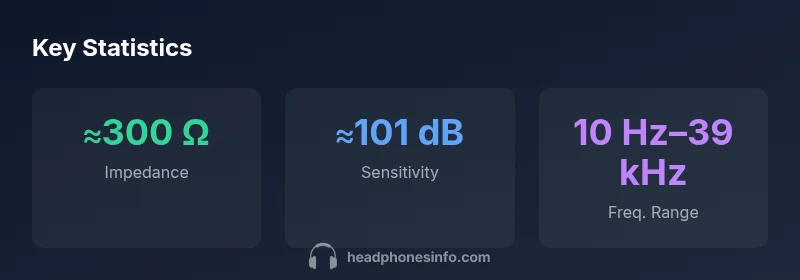
- Requires a capable amplifier due to ~300 Ω impedance
- Sound leaks in quieter environments
- Lacks portable features and wireless versatility
- Pads and cables may feel stiff for some users
Best choice for listeners who want warm, musical open-back sound at a reasonable price
The HD6XX excels in tonal balance and long-session comfort, making it a standout in the budget-to-midrange open-back category. Its need for a capable amp and the open-back design limit portability and quiet-room usability, but for home listening the value is compelling.
People Also Ask
What is the Sennheiser HD6XX and how does it relate to the HD650 family?
The HD6XX is a Drop collaboration that uses the same driver lineage and tuning philosophy as Sennheiser’s HD650 family. It preserves the warm, musical midrange while offering an approachable value. This makes the HD6XX feel familiar to HD650 owners while catering to a broader audience.
HD6XX shares DNA with the HD650, offering familiar warmth and musicality. It’s a great entry point if you like the HD650 vibe but want a more affordable option.
Are the HD6XX good for gaming or movie watching?
They can perform well for gaming and movie dialogue due to their spacious soundstage and clear midrange. However, they are open-back, which means sound leakage and external noise can affect immersion in noisy environments. For competitive gaming, many players prefer closed-back headphones with enhanced isolation.
HD6XX are good for cinema and story-driven games, thanks to broad soundstage, but they aren’t ideal if you need isolation or portability.
Do I need a special amplifier for the HD6XX?
Yes. With an impedance around 300 ohms, the HD6XX benefits from a capable DAC/amp to unlock its full dynamic range and headroom. A basic portable player may underdrive them, resulting in a flatter, less engaging sound. A mid-range desktop amp pairing is typically sufficient.
Yes. A decent DAC/amp improves the HD6XX’s dynamics and slam, especially for low-impedance sources.
Can I replace the pads or cable on the HD6XX?
Yes. The HD6XX uses standard parts compatible with many third-party pads and replacement cables. Pad comfort and seal can vary with head shape, so trying different options can improve comfort and bass response. Always verify compatibility before buying.
You can swap pads and cables; it’s common to customize fit and feel for better comfort or bass response.
Is the HD6XX a good value in 2026?
For many listeners, the HD6XX remains a compelling value due to its musical balance, comfort, and upgradable components. The price can vary, but the pairing of classic tuning with modern community support keeps it attractive for home listening and critical review.
Yes, it’s still a strong value if you want a warm, musical sound and don’t require portables.
What gear pairs best with the HD6XX for best results?
A clean USB DAC or desktop audio interface paired with a modest to mid-range headphone amplifier typically yields the best results. Avoid very loud, low-quality sources that introduce hiss or gritty detail. A warm, neutral downstream chain helps the HD6XX deliver its intended tonal balance.
Pair it with a good DAC/amp combo; keep the chain clean to hear the HD6XX’s warmth shine.
What to Remember
- Evaluate your amplification chain before purchasing the HD6XX
- Expect a wide, natural soundstage with musical midrange
- Choose high-quality source gear to maximize the HD6XX’s potential
- Pad and cable replacements are commonly available for longevity
- Best suited for stationary, desktop listening setups