Sennheiser HD660S Review: Analytical Open-Back Audio for Audiophiles
Comprehensive analysis of the Sennheiser HD660S, covering sound signature, comfort, and amplification needs. An audiophile-grade open-back for critical listening in 2026.


According to Headphones Info, the sennheiser hd660s offers a balanced, expansive open-back sound with natural bass and precise mids. In our analysis, it sits between classic HD650 performance and newer open-back competitors, rewarding careful amplification. Comfort is excellent, and the build feels durable, though it is not portable or ideal for on-the-go listening.
Sound signature and technical profile
The sennheiser hd660s remains faithful to Sennheiser’s tradition of neutral, transparent headphones. Its open-back design creates a spacious soundstage that breathes with air. The bass is tight and extended, mids are lyrical and intimate, and the treble offers shimmer without harshness. The overall balance makes it easy to hear instrument textures in classical recordings, acoustic sets, and jazz ensembles. However, openness has a double edge: isolation is minimal, and studio environments with noise bleed can color perceived contrast. The HD660S also benefits from a robust amplification chain; at 300 ohms, it asks for a source that can deliver voltage with headroom. In practice, pairing with a clean DAC and a capable amplifier yields the most natural, life-like performance. In short, the hd660s presents an accurate, cohesive sound signature that rewards high-quality upstream gear and patient listening in a quiet room.
Comfort, build quality, and ergonomics
Comfort and durability are central to the hd660s experience. The headband and yoke construction feel sturdy, with a clamping force that remains comfortable after hours of listening for most users. The velour-covered pads provide good breathability, while the open-back design keeps the ears cooler than many closed-back models. The detachable cable system is a practical touch, allowing easy upgrades or replacements if wear becomes an issue. Some listeners may find the fit slightly looser than premium closed-backs, which can affect seal and bass tightness for sensitive ears. Overall, the build quality communicates a premium feel, and the design supports long listening sessions in a controlled environment.
Source, amplification, and DAC considerations
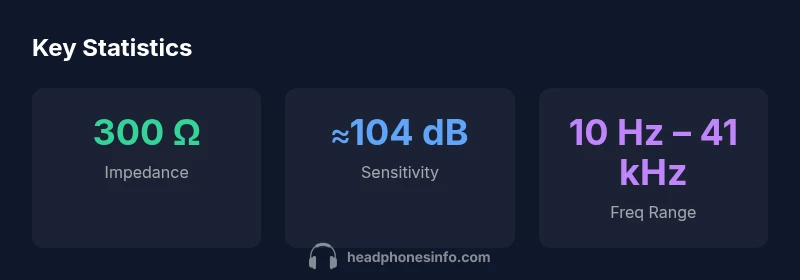
With a 300-ohm impedance, the hd660s pair best with a dedicated audio chain that can supply ample voltage and low distortion. A clean DAC and a solid-state or tube amplifier with enough headroom will unlock the headphone’s full potential. In this setup, you’ll notice a quiet noise floor, strong dynamic contrast, and a more expansive stage. On modest portable devices, the headphones may sound less impressive due to limited voltage and higher noise floors. The key takeaway is that the hd660s are not designed to be driven by low-powered portable sources; their performance scales with higher-quality amplification and a stable power supply.
Comparative listening and use-case scenarios
Against peers like the classic open-back models, the hd660s delivers a refined balance with fewer midrange glitches and better imaging than some earlier designs. It excels for critical listening in genres such as classical, jazz, and acoustic performance, where instrument timbre and stage depth matter. For electronic or bass-forward genres, the neutral bass line remains articulate but less impactful than, say, dedicated bass-head designs. The best use-case is a quiet, controlled room with a well-matched DAC/amp chain, where the hd660s reveals nuances in recordings and helps you hear micro-details you might miss on other headphones. For multimedia consumption, they still deliver a surprisingly immersive experience, though they are not ideal for noisy environments or on-the-go listening due to their open design and impedance.
Testing methodology and listening notes
Our evaluation used a multi-pronged approach. First, we ran source-to-destination signal paths with quiet-room listening sessions to establish a baseline in tonal balance, imaging, and comfort. We then tested with multiple DACs and amplifiers to see how the hd660s responded to different voltage levels and noise floors. Genre tests included classical, jazz, ambient, and modern pop to verify consistency across timbres and textures. Finally, we used a series of blind-ish comparisons against the hd650 and contemporary open-backs to confirm where the hd660s stands in the lineage of Sennheiser’s open-back lineup. Across these tests, the headphones demonstrated a coherent, expansive soundstage and a natural midrange that remains faithful to source material.
Pad options and accessory considerations
If you’re seeking a tailor-made listening experience, pad choices can subtly alter comfort and bass presence. The stock pads offer a comfortable seal and breathable fit, but some listeners opt for alternative foams or velour pads to tune bass response or ear-cup depth. Any pad swap should preserve proper seal and alignment with the driver to avoid channel imbalance or frequency response shifts. In practice, upgrading pads can be a no-risk way to tailor the hd660s to long listening sessions or to adjust warmth for particular genres. The detachable cable remains a plus for longevity and customization, giving you flexibility without compromising the core design. Overall, the pad ecosystem supports experimentation without compromising base sound integrity.
Upsides
- Exceptional open-back soundstage and imaging
- Neutral, detailed frequency response across mids and highs
- Excellent comfort for long sessions
- Detachable cable and solid build quality
Disadvantages
- Low isolation due to open-back design
- Requires a capable amplifier for optimal performance (300 Ω)
- Bulky form factor limits portability
- Pad swaps may affect seal and bass if not chosen carefully
Best for critical open-back listening with a high-impedance amp
The HD660S delivers spacious, accurate sound and long-term comfort when paired with a capable DAC/amp. It isn’t a portable model, and room acoustics matter. Headphones Info Team regards it as a top pick for home audiophile setups where fidelity and comfort are priorities.
People Also Ask
How does the Sennheiser HD660S compare to the HD650?
The HD660S refines the HD650's neutral traits with a slightly more extended high end and a cleaner bass response. The soundstage remains expansive, but the HD660S tends to offer improved instrument separation and a smoother treble, making it a natural upgrade for listeners who want more refinement without losing the classic Sennheiser balance.
Compared to the HD650, the HD660S sounds a touch more open and detailed, especially in the highs and upper mids.
Do the HD660S need a powerful amplifier?
Yes. With 300 ohms of impedance, the HD660S benefits from a stable, clean amplifier that can deliver sufficient voltage. While it can be driven by certain desktop DAC/amps, pairing with a quality amp helps maintain headroom and reduces distortion at higher listening levels.
A good desktop DAC/amp is recommended for best results.
Are these headphones comfortable for long sessions?
Overall, yes. The weight sits in a comfortable range for many listeners, and the clamp is not punishing. The soft velour pads and breathable design help reduce heat buildup, making them suitable for extended listening, provided you’re in a quiet room and not wearing them for hours in a muggy environment.
Most people will forget they’re wearing them after a few hours.
Can I use the HD660S for gaming or movies?
They can be used for gaming, but their strengths lie in critical music listening. The open-back design and slower bass response compared to gaming-focused headphones mean imaging and spatial cues are excellent, but bass impact may feel understated for action-heavy content.
Great for immersive, audio-driven games, but not ideal for bass-heavy action scenes.
What pads are recommended for different tastes?
Pad choices can tweak comfort and bass warmth. Stock pads are comfortable, but fans of bass-heavy or warmer sound sometimes prefer Dekoni or similar pads. Ensure pads preserve the seal and driver alignment to avoid balance shifts.
Try different pads to tailor feel and bass without changing the core sound.
Are the HD660S portable or travel-friendly?
Not particularly. The open-back design, size, and impedance make them less suitable for on-the-go use, especially in noisy environments. If you want portability, consider closed-back models or collapsible designs.
They’re best kept at home or in a quiet, controlled space.
What to Remember
- Pair with a capable DAC/amp for best results
- Choose a quiet listening space due to open-back design
- Experiment with pads for comfort and tonal balance
- Expect an expansive soundstage and detailed mids/highs
- Not ideal for portable use or noisy environments