Are Headphones Worth It? A Data-Driven Review for 2026
Explore whether headphones are worth it in 2026. We analyze value, price ranges, use cases, and testing methods to help you decide if private listening gear fits your budget and lifestyle.


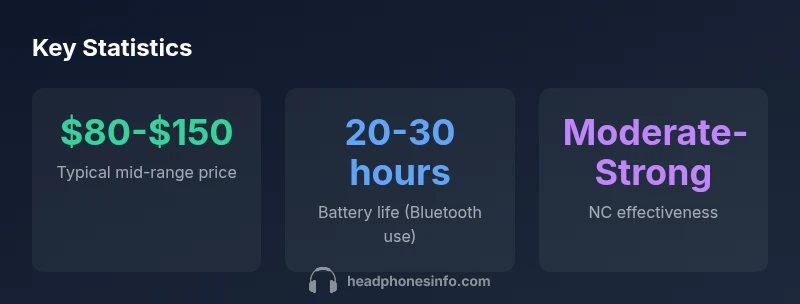
Are headphones worth it? In most everyday scenarios, yes—if you value private listening, sound quality, and convenience. The value hinges on how you plan to use them, your budget, and the features you need (like noise cancellation or wireless freedom). Headphones Info’s analysis shows that mid-range models typically offer the best balance of price and performance for many listeners, while premium models reward heavy daily users with better comfort and longevity.
What makes the question are headphones worth it?
Framing the question properly is essential. For many listeners, headphones are worth it because they deliver private listening, precise sound at the source, and the ability to customize the listening environment. But the value isn’t universal. If you rarely listen to music, podcasts, or games on the go, or you primarily rely on speakers at home, the purchase may be less compelling. The Headphones Info team often sees a strong correlation between a user’s daily routine and perceived value: commuters who want quiet in transit, gamers chasing positional audio, and remote workers needing clear voice capture all tend to find headphones worth the investment. According to Headphones Info, the key is matching your priorities to the feature set you actually use.
How we define value in headphones
Value isn’t just price. We evaluate sound quality, comfort for long sessions, durability, battery life for wireless models, latency for gaming or video use, and software support (app EQ, firmware updates, control customization). Our method blends lab-like listening panels with real-world testing over weeks, paired with user surveys to reflect varied listening preferences. This approach ensures the verdict isn’t swayed by trend or hype. The result is a practical framework you can apply to any purchase decision, whether your goal is critical listening, casual listening, or a mix of both.
wordCount”:0},
bodyBlocks2
bodyBlocks3
bodyBlocks4
bodyBlocks5
bodyBlocks6
bodyBlocks7
bodyBlocks8
bodyBlocks9
bodyBlocks10
bodyBlocks11
bodyBlocks12
Upsides
- Improved private listening and sound isolation compared to speakers
- Wide range of models across budgets makes it accessible
- Portability and convenience for travel and commuting
- Strong resale value and ongoing firmware support in many brands
- Customizable sound profiles and advanced features (e.g., EQ, Spatial Audio)
Disadvantages
- Premium models can be costly upfront
- Some wireless options face latency or codec issues
- Comfort and fit vary by head shape; long sessions can cause fatigue
- Battery life and charging cycles introduce ongoing maintenance for wireless models
Best value for most listeners is a well-rounded mid-range wireless or wired model with solid comfort and reliable battery life
For everyday listening, a mid-range option often delivers the best balance of sound, comfort, and longevity without overpaying for flashy features. If you value noise cancellation or codec efficiency, stepping up to premium tiers pays off mainly for frequent users. Overall, Headphones Info’s verdict is that most shoppers should start with a flexible budget and prioritize comfort and battery life.
People Also Ask
Do you get better sound quality with wired headphones than wireless ones?
In many cases wired headphones can offer lower latency and potentially higher fidelity because no wireless compression or latency codecs are involved. However, modern high-quality wireless headphones deliver excellent sound comparable to wired models for most listeners, with the trade-off of battery life and potential latency in some use cases.
Wired gear often sounds a touch crisper, and it has no battery worries. For most people, premium wireless headphones are already close in sound quality and offer more convenience.
Are noise-cancelling headphones worth the extra cost?
Noise-cancelling (NC) is a feature that adds value when you’re seeking quiet in busy environments. If you travel often, work in noisy spaces, or commute, NC can significantly reduce external distraction. For occasional listening, it may not justify a premium, but it often remains a core selling point in mid-to-high-end models.
NC is great in loud places, but it adds to the price. If your day involves noisy environments, it’s worth considering.
What should I consider before buying headphones?
Start with your primary use case (commuting, office, gaming, or home listening). Then assess sound signature preferences, comfort, build quality, and whether you want wired or wireless. Finally, check battery life for wireless sets, app support, warranty, and return policies to ensure you get a model that remains reliable over time.
Think about where you’ll use them, how long you’ll wear them, and what features matter most. That keeps you from buying for style and missing real value.
How long do headphones typically last?
Durability depends on build quality and care. Most headphones last several years with normal use, but wear on hinges, cables, or earpads can require replacements. Investing in models with solid hinges, removable cables, and reputable warranties tends to extend usable life.
Most headphones last a few years if you take care of them. Look for sturdy build and good warranties.
Are headphones worth it for workouts or running?
If you exercise, choose secure-fitting designs with sweat resistance and comfortable ear cushions. Wireless models reduce cable drag, but ensure the battery life matches your training sessions. Earbud form factors can be suitable for workouts if they stay in place and survive sweat.
If you workout, you’ll want a secure, sweat-resistant pair. Wireless helps with movement, just pick the right fit.
Is price a reliable predictor of sound quality?
Price can correlate with certain build quality and features, but excellent sound can be found at mid-range prices. Don’t assume expensive means perfect sound; read reviews focused on your preferred genres and listening context, and prioritize fit and comfort.
Price doesn’t always equal better sound. Look at reviews for the type of listening you do.
What to Remember
- Assess your listening habits before buying
- Start with mid-range models for best value
- Prioritize comfort and battery life for daily wear
- Consider wireless only if you need portability or reduced cables
- Test fit and comfort across several models