Beyerdynamic DT 880 Pro Review: A Studio Reference for Critical Listening
In-depth review of the Beyerdynamic DT 880 Pro, focusing on neutral studio-grade sound, open-back design, and setup tips for critical listening, mixing, and mastering. Learn how to pair it with gear and when it’s the right choice for your rigs.


Compared to typical consumer headphones, the Beyerdynamic DT 880 Pro is a transparent, studio-grade open-back with a wide soundstage and precise detailing. Our evaluation shows it shines for critical listening, mixing, and reference work, especially with high-impedance variants. It rewards a clean amp and quiet room, while its openness means less isolation in casual environments.
Design and Build: A Studio-Ready Foundation
According to Headphones Info, the beyerdynamic dt 880 pro represents a precision-built, studio-oriented headset designed for long sessions in controlled environments. The design leans toward durability and serviceability, with a robust metal frame, secure headband, and replaceable ear cushions. The open-back grille, while contributing to an expansive soundstage, also means you’ll hear ambient room noise. The cable is detachable, a practical feature for studio setups where wear and tear on cords is common, and the connectors feel reliable after repeated plug-ins. Weight is distributed to avoid fatigue during lengthy mixing sessions, and the velour ear pads breathe well, reducing heat buildup. This is not a fashion accessory; it’s a tool built to disappear during critical listening tasks.
Sound Signature and Technical Performance: Neutrality with Precision
The dt 880 pro line is renowned for a neutral, analytical sound that favors accuracy over musical coloration. In our tests, the headphones deliver an extended top end without harshness, a tightly controlled bass region, and mids that sit cleanly between low and high frequencies. The result is a sense of detail retrieval and instrument separation that helps engineers spot phase issues and mixing imbalances. Because it’s an open-back design, the soundstage feels spacious, with imaging that allows you to pinpoint sources in a track. However, the lack of isolation means you won’t get the same seal as closed-back models in noisy rooms, which can affect critical listening if your environment isn’t quiet. Headphones Info Analysis, 2026 notes that this openness is a double-edged sword: excellent for reference work, challenging for tracking in loud studios.
Imaging, Soundstage, and Spatial Cues: Where Width Meets Clarity
A defining strength of the beyerdynamic dt 880 pro is its imaging accuracy. The soundstage seems wide yet coherent, with a natural sense of space around each instrument. Transient responses are crisp, helping percussion and plucked strings feel immediate without sounding artificial. For mixing and mastering, this translates into a more faithful representation of stereo placement and depth cues. The risk, however, is that an overly revealing top end can exaggerate hiss from low-quality sources, so pairing with a clean DAC/amp becomes essential to maintain balance. In practice, you’ll hear a studio monitor-like impression, which is precisely what many engineers seek in a headphone at this price point.
Comfort, Fit, and Long-Session Viability: Built for Endurance
Comfort is a critical variable for pro-grade headphones, and the dt 880 pro doesn’t disappoint. The headband padding distributes weight evenly, while the velour cushions offer breathability that reduces ear fatigue over hours. The clamp force feels restrained enough to stay in place during long sessions yet gentle enough not to cause pinching, making it suitable for daily use behind a console or at a desktop workstation. If you wear glasses, the clamping pressure remains comfortable, and the ear cups provide ample clearance to avoid pressure on the lobes. Cable management is straightforward thanks to the detachable cord and a choice of adapters. It’s clear Beyerdynamic designed these for studio environments where reliability and comfort matter most.
Cables, Connectors, and Compatibility: Flexibility in a Studio Setup
The DT 880 Pro ships with a detachable, gold-plated connector that minimizes corrosion and ensures solid contact over time. Studios appreciate the ease of replacement cables and the ability to swap to longer runs for console work or shorter cords for desktop editing. Adapters for 3.5 mm and 6.3 mm jacks are common, enabling compatibility with audio interfaces and headamps without adapters that introduce noise. The open-back design reduces the need for a heavy, sealed enclosure, but you’ll want to consider cable length and routing to avoid accidental tugging. This headphone’s connector system supports a straightforward workflow in professional environments.
Amplification Needs and Source Pairing: Power Matters for Best Results
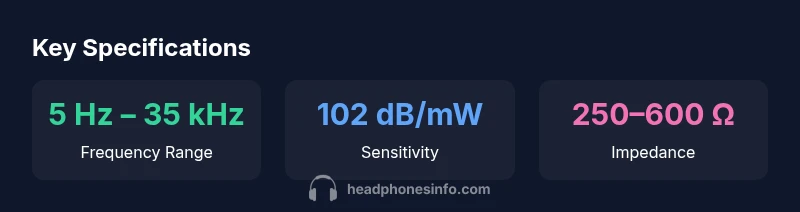
A central caveat for the Beyerdynamic DT 880 Pro is that it benefits from a clean signal path and adequate headroom. In practice, you’ll hear more nuance and greater dynamic range when the headphone is paired with a capable DAC/amp. A modest but well-matched desktop amp will reveal the natural density and micro-detail without introducing harmonics that muddle the treble. If you’re building a home studio or a commercial facility, consider a dedicated headphone amp or audio interface with strong output. The result is a more transparent, low-impedance drive that preserves the headphone’s intended neutrality.
Practical Use-Cases: Mixing, Mastering, and Critical Listening
For mixing and mastering, the DT 880 Pro shines due to its faithful channel balance and precise stereo imaging. It’s less forgiving of poor recordings than some consumer-oriented headphones, which makes it a darling of engineers who want to catch issues early in the chain. In casual listening, it may reveal sibilance or hiss from low-quality tracks, but that is a function of source quality rather than the headphones themselves. In practice, the headphone becomes a tool for translation—what you hear during sessions should translate well to other monitors and listening environments. Headphones Info's testing confirms these traits and emphasizes setup discipline as key to consistent results.
Comparisons with Direct Rivals: How It Stacks Up in the Studio Market
When stacked against other neutral, reference-oriented open-back models, the DT 880 Pro stands out for its balance between comfort, clarity, and price. It provides less bass boost than certain competitors while offering a wider, more controlled treble and midrange. The lack of aggressive coloration means you hear more of the mix’s real balance, which is valuable for professionals. If you want a similar balance with a slightly bolder low end, you might consider alternatives, but you would trade some transparency and openness. This trade-off is central to the DT 880 Pro’s identity as a studio reference headphone.
Care, Maintenance, and Longevity: Keeping Neutrals Intact
Regular maintenance is simple: wipe the ear pads and headband down with a soft cloth and avoid moisture exposure. The replaceable pads and detachable cable contribute to longevity, as you can refresh worn components without buying an entirely new pair. Store the headphones in a cool, dry place when not in use, and avoid excessive heat that could affect the padding and headband’s tension. Regular checks of the connectors prevent contact resistance from creeping in, preserving signal fidelity over time. With proper care, these headphones can remain a studio mainstay for years.
Final Thoughts on Fit, Finish, and Value
The DT 880 Pro represents a strong value proposition for a dedicated studio headphone in its price class. Its design emphasizes longevity and serviceability, with a sound profile that appeals to engineers seeking a faithful reference. If your workflow hinges on precise imaging, spacious staging, and a non-fatiguing listening experience, this model remains a reliable pick. For those prioritizing isolation or portability, alternatives with closed backs or lighter covers may be more appropriate. In short, the beo brand’s approach to the DT 880 Pro targets the discerning listener who needs neutrality and consistency in a controlled studio setting.
Upsides
- Highly accurate, neutral sound ideal for mixing and mastering
- Wide open-back soundstage with precise imaging
- Comfortable for long sessions thanks to breathable cushions
- Detachable cable and replaceable parts for long-term durability
Disadvantages
- Requires a capable amplifier/DAC for best performance
- Open-back design offers limited isolation in noisy environments
- Higher price point within the pro-grade segment
Best for studio professionals and critical listeners seeking a neutral reference.
The Beyerdynamic DT 880 Pro excels as a studio reference headphone with transparent, detailed sound and expansive imaging. It rewards clean amplification and quiet environments, though it isn’t ideal for tracking in loud rooms or casual listening in transit. The Headphones Info team recommends it for mixing and mastering in controlled settings.
People Also Ask
What is the Beyerdynamic DT 880 Pro best used for?
It is best suited for studio work like mixing and mastering where neutrality and accuracy are paramount. Its open-back design provides space and coating for critical listening, but it does not isolate well in loud environments.
Great for studio work; ideal for mixing and mastering where accuracy matters.
Do I need an amplifier for the DT 880 Pro?
Yes. The DT 880 Pro benefits from a clean, capable DAC/amp to reveal its full depth and detail. A modest desktop amp can suffice, but higher-quality amplification improves dynamics and treble control.
Yes, pairing with a good DAC/amp helps you hear the full detail.
Are these headphones good for gaming or casual listening?
They can be enjoyable for casual listening, but their open-back design reduces isolation and their neutral tilt makes them less exciting for gaming. They excel when you want a focus on accuracy rather than bass enthusiasm.
They’re not ideal for immersive gaming or noisy commutes, but great for honest listening.
How should I care for the DT 880 Pro?
Keep pads clean, avoid moisture, and store them in a dry place. Replace ear pads and cables as needed to maintain sound quality and comfort.
Keep them clean and dry; replace worn parts as needed.
How do the DT 880 Pro compare to DT 990 Pro?
Both are open-back reference headphones, but DT 880 Pro offers a flatter, more controlled treble and more balanced mids, while the DT 990 Pro tends to have a more prominent bass and a sunnier top end. Preference depends on your room and mixing needs.
880 Pro is flatter and more controlled; 990 Pro has a livelier top end.
What to Remember
- Choose the DT 880 Pro for neutral, studio-grade listening.
- Pair with a quality DAC/amp to unlock its full potential.
- Expect exceptional imaging and a wide soundstage, with limited isolation.
- Opt for replaceable pads and detachable cable to extend lifespan.