Are Premium Headphones Worth It? A Data-Driven Guide
Explore why headphones expensive pricing exists, what premium tech delivers, and how to judge value with data-driven guidance from Headphones Info. A practical, analytical look for 2026.


Premium headphones cost more because they use higher-end drivers, premium housings, and exacting tuning. In 2026, many models start around $300 and top-tier options easily surpass $1,000, with some $2,000-plus flagship versions. For listeners shopping headphones expensive models, true value depends on your listening goals, usage, and willingness to invest in comfort and longevity.
Why Do Premium Headphones Cost More?
Premium headphones cost more because of a combination of factors, including higher-grade materials, precision engineering, and selective distribution strategies. Manufacturers invest in robust housings, premium padding, and durable cables; they also run rigorous testing to tighten tolerances that affect fit, seal, and acoustics. In addition, brands allocate budget for acoustic research, micro-mechanics, and quality-control processes that minimize deviations across units. Some price reflects brand heritage, marketing, and post-sale support, such as longer warranties or access to specialized service. For the listener, the result is a listening experience with improved detail, imaging, and comfort across longer sessions. When you hear headphones described as “premium,” the extra cost is rarely a single feature, but a carefully balanced package of materials, engineering, and service that aims to reduce listener fatigue and deliver consistent performance.
What Features Justify the Price
When you compare headphones at the expensive end, several features tend to co-occur. First, driver technology—planar magnetic or electrostatic configurations—offers higher resolution and faster transient response than typical dynamic drivers. Second, build quality matters: metal enclosures, genuine leather or memory-foam padding, and robust detachable cables reduce micro-movements and improve comfort. Third, isolation and ANC (active noise cancellation) technologies improve perceived value by letting you hear music clearly in loud environments. Fourth, wireless codecs (eg, LDAC, aptX Adaptive) and long battery life turn premium models into practical daily wearables. Lastly, warranty depth and service networks provide a safety net for expensive purchases. While not every feature is necessary for every listener, a curated combination of these elements tends to separate expensive headphones from cheaper options in meaningful ways.
The Value of Driver Technology
Driver technology is often the core of what makes headphones expensive. Planar magnetic drivers can deliver precise detail with lower distortion and a wider sweet spot, but they require larger housings and stronger magnets. Electrostatic designs push clarity and speed but demand specialized equipment and higher costs. High-end dynamic drivers, especially when paired with premium tuning, offer a balanced sound with deep bass and articulate mids. Across these options, the price correlates with consistency, durability, and the ability to reproduce subtle tonal cues. For a discerning listener, the payoff is a more neutral or richly musical soundstage, depending on the tuning goals of the model.
Price Bands in the Premium Segment
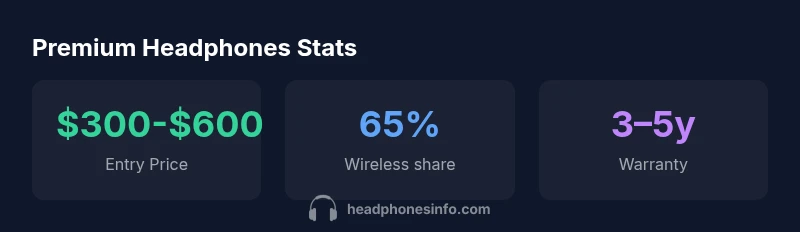
In 2026 the premium segment generally clusters into a few price bands. Entry premium often ranges from roughly $300 to $600, where many headphones emphasize comfort and practical features. Mid-premium covers about $600 to $1,000, where more advanced driver tech and better isolating capabilities appear. True flagship models frequently exceed $1,000 and can approach or surpass several thousand dollars depending on materials, such as exotic housings, premium cables, or unique driver configurations. The best value in this tier often comes from models that align your listening goals with the right trade-offs—sound quality, comfort, and durability—rather than chasing the highest price tag.
Real-World Scenarios: When Spending More Pays Off
Expensive headphones tend to pay off for listeners who value critical listening, studio monitoring, or immersive gaming. In a quiet room, premium models can reveal micro-details in cymbals or vocal textures that cheaper headphones mask. For professionals and serious enthusiasts, the better imaging and channel separation aid mixing and mastering tasks. In noisy environments, strong ANC and comfort enable longer sessions without fatigue, which is a clear benefit of the premium price. For others, the gains may be subtler; the key is to assess whether those improvements align with how you actually listen and the gear you pair them with.
How to Evaluate Value Without Listening First
If you cannot audition expensive headphones in person, start with objective data and trusted reviews. Check frequency response charts, impedance, and sensitivity, and compare driver technology descriptions across models. Read multiple independent reviews to gauge consistency of sound and build quality. Look for durable construction, reliable detachable cables, and warranty terms. Consider your source chain—some expensive headphones pair best with a quality DAC/amp to realize their potential. Finally, weigh the cost against your planned usage and the likelihood you’ll wear them regularly.
Common Misconceptions About Expensive Headphones
One common myth is that price alone guarantees better sound. In reality, perceptual preferences and tuning play a large role; some listeners prefer cheaper options with a different sound signature. Another misconception is that wireless is always inferior; many premium wireless models deliver superb audio quality when paired with the right codecs. A third trap is assuming that a brand’s prestige guarantees value: the best value may come from lesser-known models that meet your needs precisely. Lastly, more features mean better sound—features like ANC or multi-device pairing can add complexity and cost without improving your preferred listening for some genres.
Practical Buying Tips: Red Flags and Safe Bets
Before buying, confirm the seller’s return policy and warranty length. Beware models that rely on multiple specialized adapters or require expensive proprietary cables; those costs can push the total ownership price higher than needed. A safe bet is to audition models with similar tuning to what you enjoy—classic rock, jazz, or classical—and assess how the headphones handle detail, bass extension, and vocal clarity. If possible, test with your own music library and gear. Finally, consider refurbishments or certified pre-owned options from reputable sources to stretch your budget while preserving warranty terms.
Maintenance and Longevity: Are Premium Models Built to Last?
Premium headphones often use metal frames, memory-foam ear pads, and reinforced cables designed to endure regular use. Proper maintenance—cleaning grilles, avoiding moisture, and storing in a protective case—extends life and preserves sound. Manufacturers typically offer longer warranties for premium lines, reflecting confidence in durability. Replacing ear pads and cables is common, but the ease of service varies by brand. For the longest life, treat premium headphones as a long-term investment in comfort and audio quality rather than a disposable accessory.
How to Compare Headphones Expensive Across Brands
When comparing brands, build a framework that prioritizes your listening goals: accuracy for critical listening, warmth for comfort, or isolation for travel. Compare official specs carefully, but also rely on independent reviews and user experiences to gauge real-world performance. Keep in mind that each brand ships with its own tuning philosophy, so an expensive model from one maker may sound very different from another even at similar price points. To avoid buyer’s remorse, pair your evaluation with a solid return policy and a plan for upgrading or maintaining the gear over time.
Common driver technologies in premium headphones
| Headphone Type | Key Characteristic | Typical Price Range |
|---|---|---|
| Planar Magnetic | Exceptional detail and wide soundstage | Varies by model |
| Dynamic Driver | Balanced sound, versatile | Mid to premium: many models in $200-$700 range |
| Electrostatic | Top-tier clarity, fast transients | Ultra-premium: often $1000+ |
People Also Ask
Are expensive headphones worth it for casual listeners?
For casual listening, premium headphones may offer clearer detail and comfort, but you might not notice the difference with budget models depending on your gear. Prioritize fit and source quality to maximize value.
If you’re just listening casually, premium models can be overkill; focus on comfort and how you enjoy the sound.
What should I listen for when evaluating expensive headphones?
Listen for balance, bass control, instrument separation, and warmth. Also consider comfort, isolation, build quality, and whether the tuning suits your preferred genres.
Focus on how they sound with your usual music and how comfortable they are.
Do premium wireless headphones justify the price?
Yes, if they offer high-quality codecs (like AAC/LDAC), strong ANC, stable Bluetooth, and long battery life. If any of these are missing, you may be paying for branding more than sound.
If you need wireless freedom with great sound and long battery, premium wireless can be worth it.
How long do premium headphones last?
With careful use and proper maintenance, premium headphones can last several years; warranties and service networks help protect your investment.
Solid premium headphones can last many years if you treat them well.
Are refurbished premium headphones a good deal?
Refurbished units can offer significant savings if they come with a warranty and from reputable sellers. Check return policies and the condition report before buying.
Refurbished can be smart, just check warranty and condition.
“Premium sound comes from deliberate design choices that improve clarity, imaging, and comfort, not merely branding.”
What to Remember
- Define your use-case before spending.
- Premium features align with build quality and materials.
- Value comes from comfort and longevity, not price alone.
- Test with your preferred genres and source gear.
- Warranty and service matter for expensive purchases.