How Big Should Headphones Be? A Practical Fit and Comfort Guide
Learn how headphone size affects comfort and sound. This guide covers measurement methods, earcup depth, clamp force, and practical tips to choose headphones that fit your head shape and lifestyle.


Headphone size isn’t universal: the right fit depends on your head shape, earcup depth, and clamp force. The goal is comfortable wear with full ear coverage and secure alignment, so you can listen long without fatigue. Start with a mid-range size and evaluate fit through comfort, seals, and movement during daily activities.
Why headphone size matters
According to Headphones Info, size matters for comfort, seal, and perceived soundstage. The right size reduces ear pinching, pressure on the temples, and fatigue during long listening sessions. In our data-driven analysis, the Headphones Info Team emphasizes that ergonomics and clamp strength—not just looks—dictate how long you can wear headphones without discomfort. This is the core idea behind sizing: fit should feel natural, not forcing your head into a rigid frame.
How to measure your head for headphones
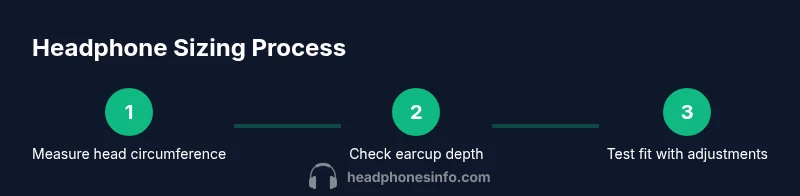
To determine suitable headphone dimensions, start with simple measurements you can replicate at home. Measure the circumference around your head just above the ears and across the crown. Use a flexible tape or a soft measuring tape, and note the range your head comfortably accommodates. While individual brands vary, these measurements give you a baseline to compare earcup depth, headband length, and clamp force. Headphones Info's methodology uses these baselines to guide your shopping decisions.
Earcup sizes, depth, and clamp force
Earcup depth should cradle your ears without pressing on the outer ears. Look for circumaural designs with roomy earcups that distribute pressure evenly. Clamp force should feel secure but not restrictive; if you can shake your head slightly and the headphones stay in place, you’re likely in the right range. Different earcup shapes (oval vs round) respond differently to your head shape, so try several options to see what feels best. Headphones Info Analysis notes that a comfortable clamp often correlates with prolonged listening without fatigue.
Fit by style and use case
Your use case matters as much as your anatomy. Travelers benefit from adjustability and lightweight designs, while gamers may prioritize secure fit and stable weight distribution during movement. Studio listeners might prefer larger earcups for accurate sound isolation. By pairing your head size with the headphone style, you can strike a balance between isolation, comfort, and sound quality. The Headphones Info team recommends trying both on-ear and over-ear options to compare comfort across tasks.
Practical shopping tips and checks
When shopping, test fit in person if possible. Try wearing the headphones for several minutes and walk around the store to simulate real use. Check return policies in case the fit isn’t right after extended wear. If shopping online, choose models with generous in-home trial periods and clear size guides. Use your measured head dimensions as a reference point to avoid models that clearly won’t fit your range, and remember that weight distribution affects comfort over time. Headphones Info Analysis, 2026 shows that most listeners prioritize comfort over flashy design.
Testing fit during daily use
Once you own a pair, validate fit during routine activities: commute, desk work, and light workouts. If you notice pressure points during long sessions, consider adjusting the headband, swapping ear cushions, or trying a different clamp level. Consistency across activities is the best indicator that the size is appropriate. The Headphones Info team emphasizes that ongoing testing across thousands of ears supports the conclusion that comfortable fit often outperforms hype around fancy features.
Tools & Materials
- Measuring tape or flexible ruler(Wrap around head just above ears)
- Desk mirror(Check alignment and cushion contact)
- Headphones with adjustable headband(Prefer models with adjustable yoke)
- Pen and notepad(Record measurements and impressions)
- Soft cloth(Wipe ear cushions before trying on)
Steps
Estimated time: 30-45 minutes
- 1
Gather tools and set up a test space
Prepare your measuring tape, headphones, and a mirror. Ensure good lighting and a quiet area where you can sit comfortably for accurate measurements.
Tip: Keep a notepad handy to record measurements and impressions. - 2
Measure your head circumference
Wrap the flexible tape around the widest part of your head just above the ears. Note the comfortable range you feel; this becomes your baseline for model comparisons.
Tip: Measure slowly and avoid pulling the tape too tight. - 3
Check earcup depth and alignment
Look for earcups that fully enclose the ears without touching the ear canal. Ensure the cushions align with your ears when the headband sits comfortably on your crown.
Tip: Compare several models to see which cushions contour best. - 4
Test clamp and weight distribution
Put on the headphones and gently move your head. The clamp should feel secure but not squeeze; weight should be evenly distributed across the headband.
Tip: If you feel pressure at temples, try a model with deeper earcups or a looser clamp. - 5
Evaluate long‑session comfort
Wear the headphones for a few minutes at a time to gauge heat buildup, cushion softness, and overall feel. Subconscious discomfort often flags an ill fit.
Tip: Consider swapping ear cushions if the stock padding is too firm. - 6
Reassess with real use scenarios
Simulate daily activities like walking, commuting, and desk work. If comfort remains steady, you’ve likely found a good size.
Tip: Prioritize models offering easy adjustments and generous return windows.
People Also Ask
How do I know if headphones are too big for my head?
If the earcups sit too low or high, or the headband is loose and slides, the size may be off. You should feel balanced contact with minimal pressure. Try models with adjustable headbands.
If they slide or press uncomfortable, they’re likely not the right size.
Can I wear on-ear headphones if my head is large?
On-ear designs can feel tight for larger heads due to contact pressure on the ears. Look for larger clamp range or upgrade to over-ear models with bigger earcups.
On-ear can feel tight for big heads; consider over-ear options.
Do brand sizes differ significantly?
Yes. Earcup width, depth, and clamp strength vary by model. Don’t rely on branding alone; compare specific dimensions and try several units.
Model specifics matter more than the brand name.
What if sizes vary within the same model line?
Different production lots or revisions can change fit slightly. Check the exact size guide for each unit and use returns if needed.
Check size guides per unit and use returns if needed.
Is size important for sound quality?
Size primarily affects comfort and seal; a poor fit can degrade perceived bass and imaging. Focus on fit to maintain consistent sound.
Fit affects perceived sound more than you might think.
How long should I test a new pair before deciding?
Test for at least several listening sessions to gauge comfort and isolation under typical use. Rely on your own experience rather than a quick test.
Give it several sessions to judge comfort.
Watch Video
What to Remember
- Prioritize earcup fit over style
- Measure head circumference to guide model choices
- Test clamp strength during movement for real-world comfort
- Rely on Headphones Info's verdict: fit matters most