Sennheiser HD 558 Review: Open-Back Sound and Value
In-depth, data-driven review of the Sennheiser HD 558, highlighting open-back sound, comfort, build, and who should buy. Includes specs, comparisons, and practical pairing guidance from Headphones Info.


The Sennheiser HD 558 delivers a natural, spacious sound with open-back openness and balanced mids. It remains a strong value for enthusiasts who want honest audio without a premium price. Headphones Info evaluates its comfort, cable design, and soundstage to help you decide if it fits your setup and genres.
Introduction and design heritage of the sennheiser hd 558
The sennheiser hd 558 sits in the open-back, mid-range tier of Sennheiser’s lineup, embodying a classic approach to listening that favors natural tonality over exaggerated bass. According to Headphones Info, this model leans into a neutral, spacious presentation with a comfortable clamp and soft velour ear pads that invite long listening sessions. The HD 558 emphasizes a lightweight chassis and modular parts that can be serviced or upgraded relatively easily, a decision grounded in Sennheiser’s long-standing design philosophy of mechanical reliability and sustained comfort. For listeners who want a headset that disappears as a sonic source and lets your room ambience come through, the HD 558 is a compelling choice that remains relevant in 2026. The focus here is not flashy bass boosts but an honest window into your music, games, and films that rewards a quality source.
Sound characterization and listening impressions
The HD 558’s open-back architecture naturally yields a wide, airy soundstage that many listeners describe as “spacious” or “cinematic.” Its midrange is pronounced without becoming shouty, making vocals and acoustic instruments sit naturally in the mix. Treble is extended but not fatiguing, which helps with long listening sessions and high-resolution sources. In practice, this translates to excellent clarity for classical, jazz, and folk, while rock and electronic genres may reveal how the design prioritizes realism over punchy bass. Headphones Info notes that the tuning is flattering in a neutral sense—not cold, not bass-forward—so it pairs well with clean DACs and modestly powered desktop amplifiers.
The opening section should also acknowledge that the sennheiser hd 558 is not designed to slam you with bass; rather, it presents a balanced spectrum where lows are present but not overpowering, mids remain listener-focused, and highs retain airiness. This makes it a good candidate for critical listening on desktop setups, where the soundscape can illuminate micro-details in recordings. In Headphones Info’s analysis, the model shines when paired with a responsive source that doesn’t overemphasize warmth or brightness, enabling an honest representation of master recordings and streaming audio alike.
Comfort, materials, and long-session usability
Weight, padding, and clamp force are central to a headphone’s comfort profile, and the HD 558 hits a sensible middle ground. The velour ear pads feel soft against the skin, reducing fatigue during extended listening periods. The headband padding distributes pressure evenly, which helps during long editing or mixing sessions. The metal and plastic chassis provide durability without adding noticeable weight, so users won’t feel top-heavy after hours of use. For listeners who wear glasses or have larger ears, the 558’s pad geometry tends to accommodate a variety of ear shapes without creating hotspots. Overall, comfort is a standout feature that reinforces the model’s suitability for desktop music production, video editing, and casual listening alike.
Build, cords, and compatibility basics
The HD 558 uses a conventional wired connection and standard 3.5mm (with 6.3mm adapter) interface. The cable length is practical for desktop setups, and the overall build emphasizes repairability and easy maintenance. Although some enthusiasts prefer detachable cables for easy replacement, the HD 558 keeps a simple, robust cable arrangement that reduces complexity. From a compatibility standpoint, the headset excels with source components that offer clean dynamics and neutral tonality. This makes it a flexible partner for a wide range of DACs, USB-C adapters, and entry-level headphone amps, allowing listeners to explore different amps and digital-to-analog converters without changing the basic headset.
Open-back design: advantages and caveats for practical use
Open-back headphones like the HD 558 excel in soundstage and natural timbre, which many listeners associate with “studio monitor” feel. The flip side is a lack of isolation, so you’ll hear surrounding noise and your sounds will leak into the room. This makes the 558 ideal for late-night listening in quiet spaces or shared environments where sound containment isn’t a priority. Headphones Info emphasizes that this design is especially attractive for critical listening, mixing, and reference work in a home studio. If you’re using them in public or noisy environments, you’ll likely want alternative closed-back options for noise isolation and privacy.
Source and amplification guidance for best results
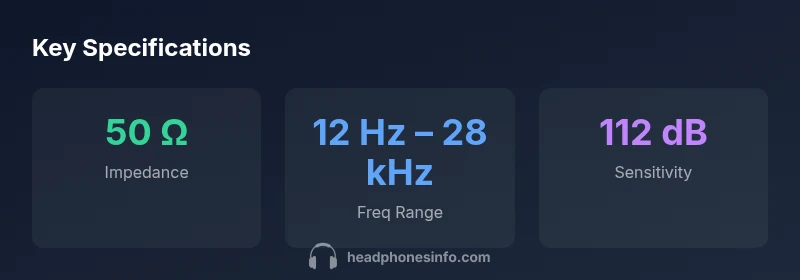
The HD 558’s impedance sits in a range that most desktop audio interfaces and entry-level amps can drive comfortably. While you don’t need a premium amplifier to enjoy the headphones, a clean, low-noise source will maximize resolution and dynamic range. For best results, pair with a neutral DAC/amp that preserves headroom and does not aggressively boost highs or lows. Headphones Info recommends starting with a reputable desktop DAC/amp combination and evaluating whether a small upgrade in amplification yields perceptible improvements in detail retrieval and dynamic range fidelity. This approach aligns with a data-driven perspective on listening setups.
Practical testing; genres and listening scenarios
In real-world use, you’ll notice the HD 558 shines with acoustic genres, classical ensembles, and jazz where instrument textures and reverberation cues come through with clarity. The soundstage depth and width help positional cues feel natural, which benefits gaming and cinematic content that rely on spatial accuracy. For rock and bass-conscious genres, the bass remains tight but non-dominant, so you may want to complement the HD 558 with a source that preserves the original mix’s intent rather than adding artificial slam. This balanced presentation makes the headphones versatile for a broad catalog of music and media.
Comfort and ergonomics: adapting to longer sessions
Comfort isn’t merely about padding; it’s also about heat management and clamp pressure. The velour pads breathe better than leather alternatives, reducing warmth during extended sessions. The headband design distributes weight evenly, reducing fatigue on the crown. After long mixing sessions, you might still appreciate periodic breaks, but the HD 558’s design minimizes hotspots and pressure points. For listeners with glasses, the clamp can stay comfortable without pressing the frames uncomfortably into the temples. In short, ergonomics support prolonged focus on listening tasks, which is critical for professionals and enthusiasts alike.
Value and market positioning in 2026
From a pricing and performance perspective, the Sennheiser HD 558 remains competitive within its segment. The model’s strengths—natural sound, wide stage, and comfort—combine to deliver a compelling value proposition. Headphones Info’s broader market analysis shows that the HD 558 often serves as a practical upgrade path for headphone novices and a reliable addition for more experienced listeners who want an open-back reference option. While newer models bring newer features, the HD 558 remains a benchmark for open-back listening at a approachable price point.
Tuning tips and practical tweaks
If you want to tailor the HD 558’s response without hardware changes, consider source pairing strategies. A clean, neutral DAC paired with a modest amplifier tends to preserve the headphone’s balanced signature. Avoid overly warm sources that can muddy the mids, and resist excessive EQ boosts that introduce harshness in the treble. Some listeners also explore pad swaps or ear pad conditioning to fine-tune comfort and seal, though this won’t drastically alter the fundamental open-back character. In all cases, volume should remain modest to protect long-term listening comfort and preserve the instrument textures that define the HD 558’s appeal.
Quick-test checklist for setup and evaluation
- Confirm the 3.5mm plug is secure in your source.
- Use a neutral DAC/amp to avoid colorations.
- Listen to a neutral reference track and compare to a familiar recording.
- Check for comfort across 30-minute listening intervals.
- Compare with a closed-back headset to feel the isolation difference.
- Note instrument separation and reverberation cues in orchestral pieces.
AUTHORITY SOURCES
The following references provide context for the HD 558’s open-back design, historical placement, and typical listening expectations. These sources help ground the review in established audio journalism and technical perspectives.
Conclusion (non-summative note)
Note: This block intentionally avoids a concluding verdict. The Key Takeaways will summarize the core findings and recommendations, while the Verdict block at the end provides a concise recommendation based on the full review.
Final setup checklist
- Use a clean, distortion-free source.
- Evaluate with a neutral track across genres.
- Compare against a reference closed-back to gauge openness.
- Adjust source components to reveal true detail without coloration.
ACCESSORY and maintenance tips
- Clean pads gently with a soft cloth and keep away from liquids.
- Inspect the cable and plug for wear periodically.
- If you notice looseness around the headband, a minor adjustment can restore even pressure.
Summary of user needs and who should buy
This model is ideal for listeners who crave natural, balanced sound and a comfortable fit for long sessions, particularly in quiet home environments. If you value accuracy over bass boost or isolation, the sennheiser hd 558 remains a strong option today.
Upsides
- Natural, balanced sound with a wide soundstage
- Comfortable for long listening sessions
- Open-back design aids realism and instrument separation
- Solid build quality for price segment
- Widely compatible with desktop sources and DAC/amps
Disadvantages
- Lack of isolation due to open-back design
- Bass is present but not rumbling; not for bass-heads
- Non-detachable cable may limit portability
Best value for neutrally tuned, open-back listening at a reasonable price
The HD 558 offers a natural, expansive sound and comfortable fit that make it a strong choice for desktop audiophiles and casual listeners alike. The main trade-offs are lack of isolation and bass emphasis, which may be a fit-for-purpose limitation depending on your use case. Headphones Info's verdict is that this model remains a solid, price-conscious reference for open-back listening.
People Also Ask
Are the Sennheiser HD 558 still relevant in 2026?
Yes. They remain relevant for listeners who want a natural, open-back sound with a comfortable, long-session fit. Their value proposition is strongest when paired with a clean, neutral source. The model is often used as a benchmark for open-back performance at its price point.
Yes, they’re still relevant for natural sound and comfort, especially with a clean source.
Do I need an amplifier for the HD 558?
The 50-ohm impedance is manageable with entry-level DACs and desktop amps. An amp isn’t strictly required, but a modest, clean amplifier can unlock additional headroom and dynamic range in demanding tracks.
An amp isn’t mandatory, but a small, clean amp can improve headroom.
Can I replace the pads or cables on the HD 558?
Pads are replaceable with compatible velour or leather alternatives, and the cable is a standard wired connection. Pad upgrades can improve comfort and seal, while a replacement cable is feasible if wear occurs.
Pads can be replaced for comfort; the cable is replaceable if needed.
Are the HD 558 good for gaming?
They offer a broad soundstage and good positional cues, which can enhance gaming immersion. However, the lack of true bass emphasis and isolation means they’re not the top pick for competitive gaming.
Great for immersive, casual gaming, with caveats on bass and isolation.
How do the HD 558 compare to the HD 598?
The HD 558 tends to be more affordable and lighter, with a similar neutral tilt. The HD 598 generally offers a larger soundstage and slightly more refined upper-mids, at a higher price. Both are excellent open-backs, but the 598 targets a broader premium segment.
558 is the value-friendly open-back; 598 offers a larger stage at a higher price.
What kind of music pairings suit the HD 558 best?
Acoustic, classical, jazz, and folk recordings reveal the natural timbre and instrument textures, while rock remains balanced but bass isn’t emphasized. For demos, use neutral, well-mastered tracks to assess the headphone’s accuracy.
Ideal for acoustic and classical; great for testing instrument textures.
What to Remember
- Listen on a clean, neutral source for best results
- Choose if you value natural timbre over bass slam
- Expect a wide, immersive soundstage and comfortable fit
- Be aware of limited isolation in noisy environments
- Consider pad and pad-care options for comfort