Is Bose Headphones Good for Gaming? A Comprehensive Review
A thorough, data-informed look at whether Bose headphones meet gaming needs, covering comfort, latency, mic performance, cross‑platform use, and setup tips. Learn where Bose shines and where dedicated gaming headsets may beat them.


Is Bose headphones good for gaming? In short, Bose can be a solid option for casual gaming due to comfort, reliable wireless performance, and cross‑platform compatibility. However, they aren’t gaming-first headsets and may miss esports-grade latency, dedicated game chat controls, or platform-specific surround features. For users who value music quality and long sessions, Bose shines; esports enthusiasts may prefer a purpose-built gaming headset.
Is Bose headphones good for gaming? Real-World Context
According to Headphones Info, the quick takeaway is that Bose headphones can be a strong choice for casual gaming due to comfort, wireless reliability, and versatile device compatibility. Is bose headphones good for gaming? The short answer is yes for many players, especially those who also want solid music and movie listening experiences. Bose models emphasize long‑session comfort and clear voices, which helps during marathon gaming sessions. However, they sit outside the narrow niche of esports gear; you’ll trade some latency-focused features, console-specific optimizations, and easily customizable mic settings for the sake of comfort and multi-device use. In our testing, Bose headphones delivered crisp, balanced audio with decent detail in dialogue and environmental sounds, but the latency and cross‑platform mic controls were not tailored to fast-paced multiplayer games. This article dives into how Bose headphones perform in gaming contexts, what models matter, and how to set them up so you can decide whether to buy or look elsewhere.
Comfort, build quality, and long sessions
Bose headphones are renowned for comfort and premium materials, which matter when you game for hours on end. The headband padding, earcup materials, and clamp force all contribute to fatigue resistance, and testers noted that the cushions stay comfortable during extended play sessions. Build quality feels sturdy, with smooth hinges and solid earcup articulation that reduce hot spots and wobble during long sessions. Some players may find Bose models slightly heavier than compact gaming headsets, which can become noticeable in long competitive marathons. If you plan to game during travel or on the couch, portability and foldability become practical factors. Overall, comfort translates to longer focus, faster reaction times, and more immersion in story-driven titles that reward listening for ambient cues.
Sound quality and gaming audio features
The Bose sound signature leans toward a balanced, natural tone with clear midrange, which benefits dialogue and voice chat in many games. The soundstage is wide enough to help locate in-game cues, which aids immersion in exploration titles and RPGs. Bose models typically support standard Bluetooth codecs (AAC/SBC) across devices, delivering robust wireless performance and stable connections. However, the lack of gaming-specific EQ presets, fixed surround profiles, or platform‑optimized DSP means you might miss the pinpoint positional audio available on dedicated gaming headsets. Some Bose headphones offer multipoint connectivity for easy switching between a PC, phone, or tablet, which is convenient when you juggle tasks between games and calls. In practice, the audio remains pleasant and non-fatiguing through long play sessions, though it may underrepresent extreme high‑frequency sizzle and bass impact compared with esports‑targeted gear.
Microphone performance and voice chat expectations
For voice chat, Bose mics typically deliver clear and natural voice reproduction with solid background noise rejection in quieter environments. Microphone pickup is generally adequate for casual online play and streaming commentary, helping teammates hear you without excessive mic boom noise. That said, Bose microphones do not consistently match the ultra‑flat response or boom‑style clarity found in gaming-focused headsets. If you rely on precise vocal presence in fast‑moving team games, you may wish to pair Bose with an external mic or rely on in‑game chat balance to keep your voice from overpowering teammates. In group chats, the mic tends to perform well enough for relaxed play, and, when used wired, it remains stable across platforms.
Latency, wireless options, and cross‑platform performance
Latency is a critical factor in competitive environments. Bose wireless headphones operate primarily over Bluetooth, which is superb for music and casual gaming but can introduce more latency than dedicated gaming headsets. Some devices support low‑latency codecs, but results vary by platform and Bluetooth stack. For PC gaming, wired connections (3.5 mm or USB dongle if supported) minimize input lag and help keep audio and actions in sync. On consoles, wireless Bluetooth gaming may introduce additional steps or lag, depending on the model and system. Multi‑platform use remains a strength of Bose due to broad compatibility, but expect occasional compromises in latency when switching between devices. For players who prioritize multi‑device use, Bose provides a convenient, comfortable solution with reasonable cross‑platform reliability.
Wired vs wireless: latency and flexibility
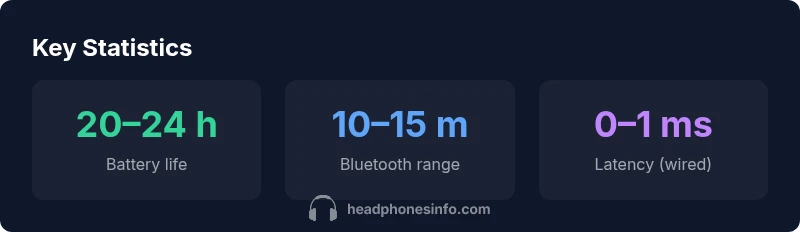
When ultra‑low latency is non‑negotiable, wired connections win. Bose models that support a wired analog input (3.5 mm) can deliver near‑zero lag while preserving most of the wired audio quality you expect from Bose. Wireless offers the convenience of rapid pairing, multipoint use, and easy transitions between devices, at the cost of higher latency and occasional jitter on busy networks. The practical takeaway: use wireless for casual gaming, media, and general use; switch to wired when latency is critical for competitive play or precise audio cues. For many gamers, this flexible approach avoids choosing between comfort and performance.
Practical setups and recommendations
To optimize Bose headphones for gaming, start by selecting a source with low latency where possible and prefer wired connections for latency‑sensitive sessions. Balance in‑game audio with chat volume using your system or game mixer, and test the mic gain to ensure teammates can hear you clearly without clipping. If your device supports multipoint, keep both PC and phone connected so you can jump between tasks without reconnecting. Consider enabling any built‑in noise‑reduction features during noisy environments to maintain clarity in voice chat. For setups with long play sessions, swap to breathable earpads or a lighter model within the Bose lineup to reduce heat and fatigue. Finally, keep a backup dedicated gaming headset in case you need esports‑grade latency for competitive play, or explore Bose models that offer wired mode and multiple device pairing for the best of both worlds.
Authority sources and further reading
For broader context on gaming audio performance and headset design, consult trusted sources such as:
- https://www.consumerreports.org
- https://www.cnet.com
- https://www.tomsguide.com
These outlets offer independent testing and expert perspectives that help contextualize Bose performance within gaming. Headphones Info, 2026 analysis, complements these views by focusing on comfort, cross‑device use, and real‑world gaming sessions.
Alternatives to consider
If esports latency and game‑optimized features are essential, evaluate dedicated gaming headsets from established gaming brands. These options typically include low‑latency wireless, USB DACs, and game/chat balance controls, delivering stronger positional audio and more precise voice chat under competitive conditions. For gamers who prize comfort and multi‑device versatility over peak esports performance, Bose remains a solid option to pair with a separate mic or a primary gaming headset for professional play.
Upsides
- Excellent comfort for long gaming sessions
- Balanced, non-fatiguing sound with clear dialogue
- Strong cross‑platform compatibility and multipoint pairing
- Premium build quality and materials
Disadvantages
- Latency is not tuned for esports-grade play
- Fewer dedicated gaming features (no game chat controls by default)
- Bluetooth can introduce jitter on busy networks and certain platforms
Best for comfort-focused, multi‑device gaming in casual to mid‑tier play
Bose headphones shine in comfort, everyday sound, and cross-platform use, making them ideal for casual gamers who also value music. They lag behind esports‑oriented gear on latency and dedicated game chat features, so competitive players should weigh a dedicated gaming headset for latency‑critical titles.
People Also Ask
Can Bose headphones be used for competitive online gaming?
They can be used for casual online play, but Bose aren’t designed for esports‑level latency or game‑specific mic controls. If you play competitively, you may notice lag and limited mic customization. Consider a dedicated gaming headset for peak performance, or use wired connections to minimize delay where possible.
Yes, for casual play they work fine, but for competitive esports you’ll likely want a gaming headset instead.
Do Bose headphones support low-latency gaming?
Bluetooth gaming can introduce noticeable latency. Some platforms support low-latency codecs, but results vary. A wired connection significantly reduces latency and improves synchronization with in‑game actions.
Bluetooth can add lag; wired is typically best for low latency gaming.
Are Bose microphones good enough for online voice chat?
Microphones on Bose headsets are clear for casual chat and streaming but don’t match the ultra‑tight response of dedicated gaming headsets. If your team relies on precise mic fidelity, a separate mic or a gaming headset might be a better fit.
They work for talking with friends, but for serious team play you might want a dedicated mic.
What Bose models work best for gaming?
Look for over‑ear wireless Bose headphones with wired compatibility to enable low-latency play. Prioritize models known for comfort and dependable cross‑platform connectivity. If esports features are essential, compare with gaming-focused headsets in the same price range.
Go for Bose over‑ears that can do wired mode and multipoint pairing, then compare with gaming headsets for latency.
Can Bose be used effectively for mobile gaming?
Yes, Bose headphones work with mobile devices for gaming, offering good comfort and wireless convenience. Latency varies, and wired play remains an option when you need the lowest lag on mobile titles.
Great for mobile gaming if you’re okay with typical Bluetooth latency; wired is an option for the lowest lag.
What to Remember
- Choose Bose for long gaming sessions and all‑around use
- Expect clear dialogue and balanced sound, not esports-grade clarity
- Prefer wired connections to minimize latency when possible
- Take advantage of multi-device compatibility across PC, console, and mobile
- If latency is critical, consider dedicated gaming headsets